JeepParts
My Garage
My Account
Cart
OEM Dodge Challenger Starter Relay
- Select Vehicle by Model
- Select Vehicle by VIN
Select Vehicle by Model
orMake
Model
Year
Select Vehicle by VIN
For the most accurate results, select vehicle by your VIN (Vehicle Identification Number).
2 Starter Relays found
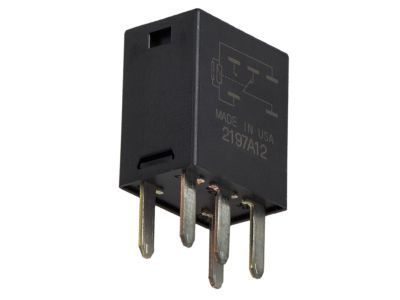
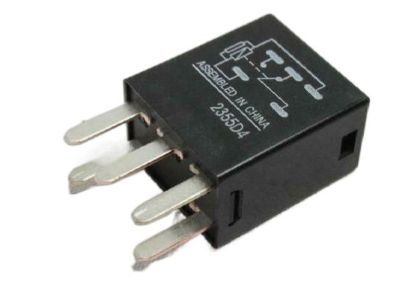

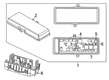
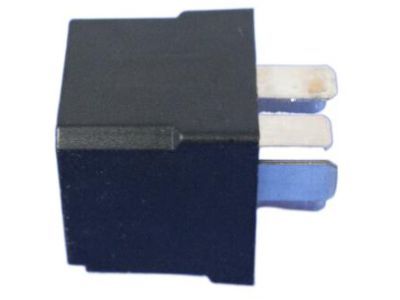
Dodge Challenger Fuel Pump Relay, Black, Front Part Number: 68382350AA
$12.67 MSRP: $17.20You Save: $4.53 (27%)Ships in 1-2 Business Days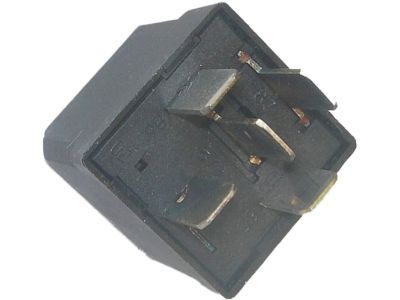
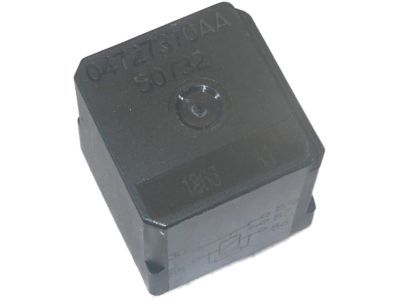
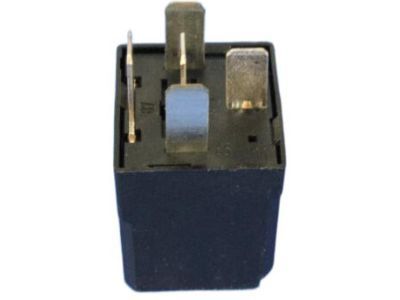
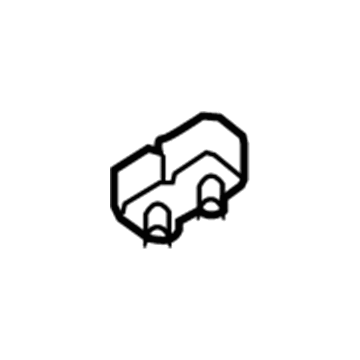
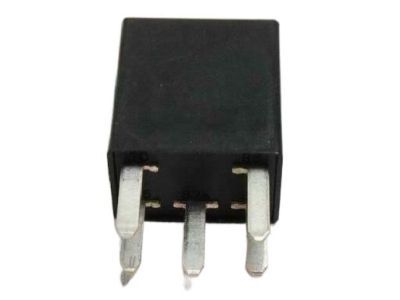
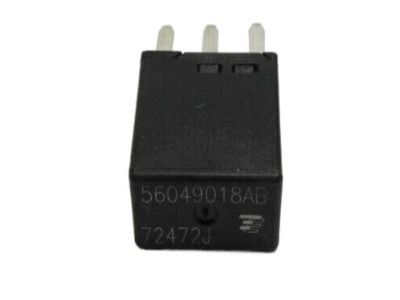
Dodge Challenger Fuel Pump Relay, Rear Part Number: 4727370AA
$37.12 MSRP: $53.35You Save: $16.23 (31%)
Dodge Challenger Starter Relay
Choose OEM Starter Relay that meet Dodge factory standards. Dodge designs and tests every component for precision and durability. Each Starter Relay follows strict manufacturing steps to lock in quality and fit. If your Dodge Challenger matters to you, OEM parts make the smart choice. You'll get the exact look, feel, and performance you expect. Shop genuine Challenger parts at the highly competitive prices online. Enjoy a manufacturer's warranty, a hassle-free return policy, and rapid delivery. No more guesswork with off brands. Get genuine parts with exact fit and true factory performance. Shop with confidence today at JeepPartsDeal.com.
The Dodge Challenger Starter Relay serves an essential function because it allows the low current ignition signal to switch on the high current flow that causes the starter motor to spin. This little feature follows the fearless Dodge muscle icon, so owners can rest assured that a healthy relay means the famous Challenger roar starts every time. The Dodge bloodline of bold styling, V8 power, rally suspension, and driver-focused cockpit gives the Challenger personality like nothing else on the road or drag strip. The Challenger bears a proud heritage of tire shredding acceleration, cornering precision, and rugged construction good enough for everyday use and weekend track runs. The Starter Relay maintains the strength of the steel in the body under the hood because genuine factory parts have a competitive edge. A Starter Relay failure causes silence in the cabin upon turning the key, signifying its importance. Purchasing a quality Starter Relay prevents large voltage drop and annoying clicks. There lies the relay in the engine bay. It receives the key signal and closes firmly and authoritatively. Then it feeds the solenoid. Finally, it opens again once the engine fires. This is the way to prevent gear and wiring wear. It does prevent ignition key switch failure. The Dodge Challenger is a vehicle that many drivers choose as it combines nostalgic muscle with modern reliability and a responsive starting circuit. To install, disconnect the negative battery cable, swap the relay in the fuse box, reconnect the cable, and test start.
Related Dodge Challenger Parts
 Dodge Challenger Body Control Module
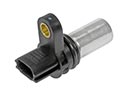 Dodge Challenger Camshaft Position Sensor
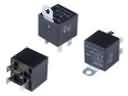 Dodge Challenger Fuel Pump Relay
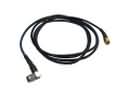 Dodge Challenger Antenna Cable
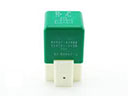 Dodge Challenger Cooling Fan Relay
 Dodge Challenger Daytime Running Light Relay
 Dodge Challenger Horn Relay
 Dodge Challenger HVAC Relay
 Dodge Challenger Radiator Fan Relay
 Dodge Challenger Relay
 Dodge Challenger Relay Block
 Dodge Challenger Windshield Washer Pump