JeepParts
My Garage
My Account
Cart
OEM Dodge Shadow Fuel Pump
Gas Pump- Select Vehicle by Model
- Select Vehicle by VIN
Select Vehicle by Model
orMake
Model
Year
Select Vehicle by VIN
For the most accurate results, select vehicle by your VIN (Vehicle Identification Number).
3 Fuel Pumps found

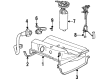
Dodge Shadow Fuel Pump Part Number: 4797882
$136.92 MSRP: $248.00You Save: $111.08 (45%)Ships in 1-2 Business DaysDodge Shadow Fuel Pump Part Number: 4742670
Dodge Shadow Fuel Pump Part Number: 5016926AA
Dodge Shadow Fuel Pump
Choose OEM Fuel Pump that meet Dodge factory standards. Dodge designs and tests every component for precision and durability. Each Fuel Pump follows strict manufacturing steps to lock in quality and fit. If your Dodge Shadow matters to you, OEM parts make the smart choice. You'll get the exact look, feel, and performance you expect. Shop genuine Shadow parts at the highly competitive prices online. Enjoy a manufacturer's warranty, a hassle-free return policy, and rapid delivery. No more guesswork with off brands. Get genuine parts with exact fit and true factory performance. Shop with confidence today at JeepPartsDeal.com.
Dodge Shadow Fuel Pump provides smooth starts and constant power by forcing fuel at a specific pressure. The Dodge Shadow became popular due to its small size, yet large hatchback, which provided nimble handling, decent crash safety, and wallet-friendly running costs. From 1987 to 1994, Dodge offered two and five-door bodies that weighed in at about 2,643 pounds, stretched 171.9 inches, and had impressive mileage close to 30 mpg highway, proving that the Shadow could cruise long distances without draining budgets. Buyers could choose lively 2.2 or 2.5 liter fours or the muscular 3.0 liter V6, all coupled with manual or automatic gearboxes that would allow the car to sprint briskly while still retaining its everyday drivability. A stiff P-body platform, distinctive grille, and practical hatch made the Dodge Shadow a versatile daily driver that retains value among enthusiasts who value original ride quality OEM parts. A good Fuel Pump maintains that efficiency. The Fuel Pump itself is an electric module contained within the tank that pulls the gasoline and forces it forward at the correct pressure for each engine variant to get the mix it needs to burn efficiently and reduce emissions, durable design that resists heat and vibration for years of service. Normal installation is done by disconnecting the battery, venting pressure, dropping the tank, replacing the Fuel Pump with a new seal, reconnecting lines and wiring, lifting the tank, then turning the key to check for leak-free operation.
Related Dodge Shadow Parts
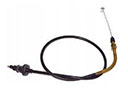 Dodge Shadow Accelerator Cable
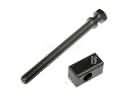 Dodge Shadow Belt Tensioner Bolt
 Dodge Shadow Cruise Control Servo
 Dodge Shadow Fuel Level Sensor
 Dodge Shadow Fuel Pressure Regulator
 Dodge Shadow Fuel Pump Gasket
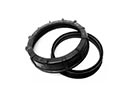 Dodge Shadow Fuel Pump Seal
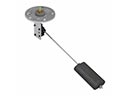 Dodge Shadow Fuel Sending Unit
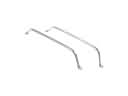 Dodge Shadow Fuel Tank Strap
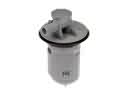 Dodge Shadow Fuel Tank Vent Valve
 Dodge Shadow Gas Cap
 Dodge Shadow Throttle Cable