JeepParts
My Garage
My Account
Cart
OEM Jeep Gladiator Coolant Reservoir
Coolant Tank Reservoir- Select Vehicle by Model
- Select Vehicle by VIN
Select Vehicle by Model
orMake
Model
Year
Select Vehicle by VIN
For the most accurate results, select vehicle by your VIN (Vehicle Identification Number).
1 Coolant Reservoir found
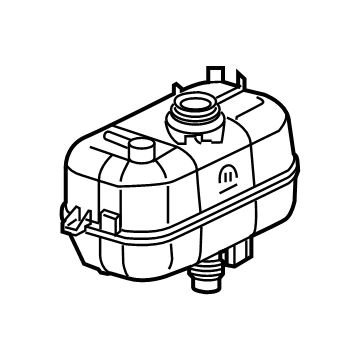
Jeep Gladiator Expansion Tank Part Number: 68283565AB
$42.74 MSRP: $55.00You Save: $12.26 (23%)
Jeep Gladiator Coolant Reservoir
Choose OEM Coolant Reservoir that meet Jeep factory standards. Jeep designs and tests every component for precision and durability. Each Coolant Reservoir follows strict manufacturing steps to lock in quality and fit. If your Jeep Gladiator matters to you, OEM parts make the smart choice. You'll get the exact look, feel, and performance you expect. Shop genuine Gladiator parts at the highly competitive prices online. Enjoy a manufacturer's warranty, a hassle-free return policy, and rapid delivery. No more guesswork with off brands. Get genuine parts with exact fit and true factory performance. Shop with confidence today at JeepPartsDeal.com.
Jeep Gladiator Coolant Reservoir sits at the center of this tough midsize pickup, but first it is worth exploring why the Jeep Gladiator itself wins over so many drivers. The truck rides on the proven wrangler JL platform, offers a 3.6 liter Pentastar V6 with smart variable valve timing, and can be paired with either a six speed manual or an eight speed automatic, so truck fans get lively power and freedom to shift as they please. Off-Road Pages let the Gladiator display pitch, roll, and lock status information on the touchscreen, and adaptive cruise control plus forward collision warning boost confidence on daily routes. Rugged frame design, and trail rated hardware mean the Gladiator stays reliable when rocks or mud try to slow it down. While performance thrills, the Coolant Reservoir keeps that excitement safe. This specialized plastic tank links to the radiator, stores expanding coolant, then feeds it back as temperatures drop which maintains system pressure and stops overheating. Because the component is designed for the Jeep pickup, it seals tightly, resists vibration, and makes level checks quick during trail stops. Regularly inspecting the Gladiator Coolant Reservoir during oil changes prevents small leaks from becoming big problems and helps the Jeep stay ready for the next trail. General installation is simple, park the Jeep, let the engine cool, unbolt the old tank, transfer the sensor, seat the new Coolant Reservoir, reconnect hoses, fill, and inspect for leaks. With the new Coolant Reservoir secure, start the engine and confirm steady fluid levels.
Related Jeep Gladiator Parts
 Jeep Gladiator Radiator
 Jeep Gladiator Thermostat
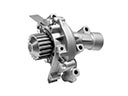 Jeep Gladiator Water Pump
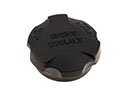 Jeep Gladiator Coolant Reservoir Cap
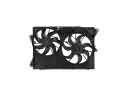 Jeep Gladiator Cooling Fan Assembly
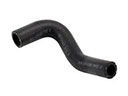 Jeep Gladiator Cooling Hose
 Jeep Gladiator Fan Blade
 Jeep Gladiator Radiator Cap
 Jeep Gladiator Radiator fan
 Jeep Gladiator Thermostat Gasket
 Jeep Gladiator Water Hose
 Jeep Gladiator Water Pump Gasket