JeepParts
My Garage
My Account
Cart
OEM Jeep Gladiator Starter Relay
- Select Vehicle by Model
- Select Vehicle by VIN
Select Vehicle by Model
orMake
Model
Year
Select Vehicle by VIN
For the most accurate results, select vehicle by your VIN (Vehicle Identification Number).
2 Starter Relays found
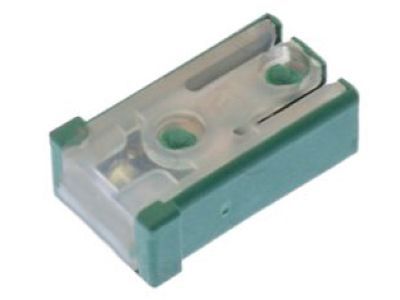

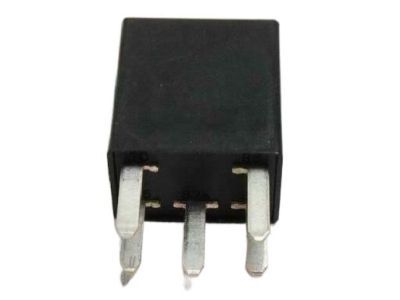
Jeep Gladiator Mini Fuse, Front Part Number: 68377879AA
$4.43 MSRP: $6.70You Save: $2.27 (34%)Ships in 1-2 Business Days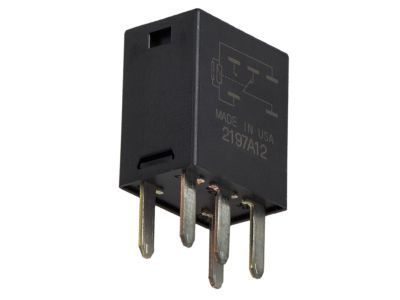
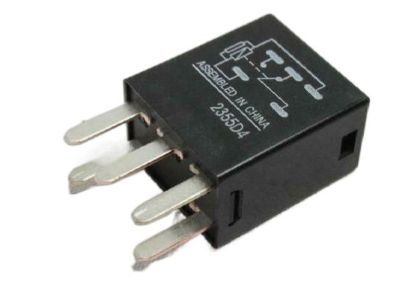
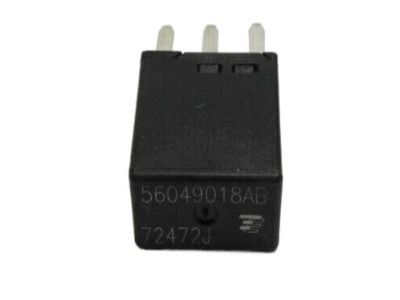

Jeep Gladiator Fuel Pump Relay, Black, Front Part Number: 68382350AA
$11.95 MSRP: $17.20You Save: $5.25 (31%)Ships in 1-2 Business Days
Jeep Gladiator Starter Relay
Choose OEM Starter Relay that meet Jeep factory standards. Jeep designs and tests every component for precision and durability. Each Starter Relay follows strict manufacturing steps to lock in quality and fit. If your Jeep Gladiator matters to you, OEM parts make the smart choice. You'll get the exact look, feel, and performance you expect. Shop genuine Gladiator parts at the highly competitive prices online. Enjoy a manufacturer's warranty, a hassle-free return policy, and rapid delivery. No more guesswork with off brands. Get genuine parts with exact fit and true factory performance. Shop with confidence today at JeepPartsDeal.com.
The Starter Relay of a Jeep Gladiator directs a low current ignition signal into a high current blast. The blast spins the starter motor so that every push of the key counts. The size and scope of the switch described is relatively small. It lives in the starter control circuit. It clicks on to feed battery voltage to the solenoid, then snaps off as the engine fires. However, without it, wire harnesses could become overloaded. More to the point, a healthy Starter Relay keeps the Jeep powertrain ready to do its job. The Jeep Gladiator magically transforms that spark into adventure, combining the freedom of open air driving of a Wrangler and the payload and towing of the midsize pickup. With the sturdy JL framework, Gladiator comes with a 285 horsepower 3.6 liter Pentastar V6, or alternatively a 3.0 liter EcoDiesel that sends 442 lb-ft of torque for easy trail climbs and highway merges. Whether a driver selects the six speed manual or eight speed automatic, standard four wheel drive, along with generous ground clearance, Off-Road Pages and a front facing trail camera keep them in the know and in control off pavement. Safety technology such as adaptive cruise control and forward collision warning brings peace of mind. The removable roof, doors and fold down windshield honor Jeep heritage and deliver the open feeling Gladiator owners love. To put in or replace the Starter Relay, negative battery cable disconnection, pull-out of the old unit from the fuse box, push-in of the new Starter Relay, reconnection of the cable, and test crank are done.
Related Jeep Gladiator Parts
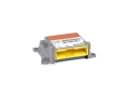 Jeep Gladiator Air Bag Control Module
 Jeep Gladiator Brake Light Switch
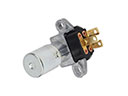 Jeep Gladiator Dimmer Switch
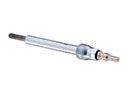 Jeep Gladiator Glow Plug
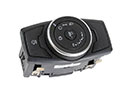 Jeep Gladiator Headlight Switch
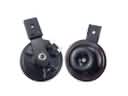 Jeep Gladiator Horn
 Jeep Gladiator Horn Relay
 Jeep Gladiator MAP Sensor
 Jeep Gladiator Occupant Detection Sensor
 Jeep Gladiator Relay
 Jeep Gladiator Seat Belt
 Jeep Gladiator Seat Switch Panel