JeepParts
My Garage
My Account
Cart
OEM Jeep Grand Wagoneer Fuel Tank
Gas Tank- Select Vehicle by Model
- Select Vehicle by VIN
Select Vehicle by Model
orMake
Model
Year
Select Vehicle by VIN
For the most accurate results, select vehicle by your VIN (Vehicle Identification Number).
1 Fuel Tank found
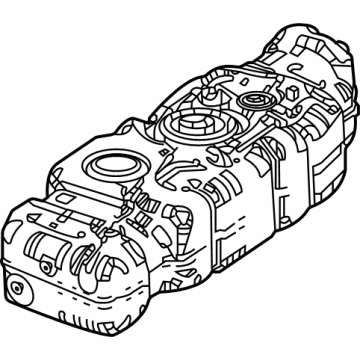
Jeep Grand Wagoneer Fuel Tank Part Number: 68546837AC
$154.09 MSRP: $227.00You Save: $72.91 (33%)
Jeep Grand Wagoneer Fuel Tank
Choose OEM Fuel Tank that meet Jeep factory standards. Jeep designs and tests every component for precision and durability. Each Fuel Tank follows strict manufacturing steps to lock in quality and fit. If your Jeep Grand Wagoneer matters to you, OEM parts make the smart choice. You'll get the exact look, feel, and performance you expect. Shop genuine Grand Wagoneer parts at the highly competitive prices online. Enjoy a manufacturer's warranty, a hassle-free return policy, and rapid delivery. No more guesswork with off brands. Get genuine parts with exact fit and true factory performance. Shop with confidence today at JeepPartsDeal.com.
Jeep Grand Wagoneer Fuel Tank occupies the middle of a car that is said to be combining luxurious with legendary trail capability. The Jeep will come with an impressive powering large displacement engine, an advanced sophisticated automatic transmission, and an advanced full time drives system that provides the Grand Wagoneer with a gliding motion in both urban streets and rough roads. It has an interior that is luxurious, has high technology, and intelligent driver-assistance, and proves that a Jeep can be both sophisticated and adventurous. The same respects the Grand Wagoneer Fuel Tank which is a tough metal tank that holds the gasoline securely and relieves any excess pressure and then supplies the pump to ensure that the engine is drenched in clean straight-through flow in all times. Hardcore factory tests ensure against leakages, rust and vibration which helps in the long term reliability of all Jeeps. Since the Fuel Tank has a direct effect on the range and performance, the Grand Wagoneer utilizes its accurate design to ensure it can get many out of the fill-up, as well as the ability to get the large SUV prepared to pull or climb a mountain. Every trip is secured by a well-maintained Fuel Tank. A new Jeep Grand Wagoneer Fuel Tank is installed in a straightforward way that includes disconnection of the battery, relieving system pressure, lifting the vehicle, undo the straps and lines, position the new one, reconnecting the hoses and the wiring as well as strapping the straps, lowering the truck, filling the tank with fuel, and finally starting the engine to test against leakages.
Related Jeep Grand Wagoneer Parts
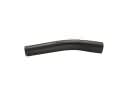 Jeep Grand Wagoneer Fuel Filler Hose
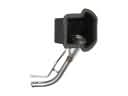 Jeep Grand Wagoneer Fuel Filler Neck
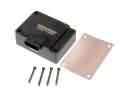 Jeep Grand Wagoneer Fuel Pump Driver Module
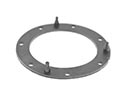 Jeep Grand Wagoneer Fuel Pump Gasket
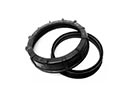 Jeep Grand Wagoneer Fuel Pump Seal
 Jeep Grand Wagoneer Fuel Pump Tank Seal
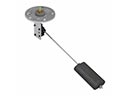 Jeep Grand Wagoneer Fuel Sending Unit
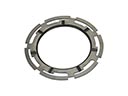 Jeep Grand Wagoneer Fuel Tank Lock Ring
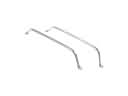 Jeep Grand Wagoneer Fuel Tank Strap
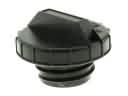 Jeep Grand Wagoneer Gas Cap
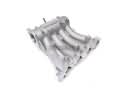 Jeep Grand Wagoneer Intake Manifold
 Jeep Grand Wagoneer Intake Manifold Gasket