JeepParts
My Garage
My Account
Cart
OEM Ram 1500 ABS Sensor
ABS Wheel Speed Sensor- Select Vehicle by Model
- Select Vehicle by VIN
Select Vehicle by Model
orMake
Model
Year
Select Vehicle by VIN
For the most accurate results, select vehicle by your VIN (Vehicle Identification Number).
10 ABS Sensors found
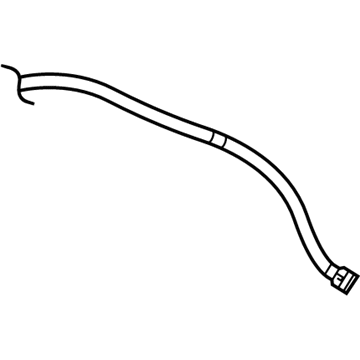
Ram 1500 ABS Sensor Part Number: 68292050AH
$28.58 MSRP: $42.70You Save: $14.12 (34%)Ships in 1-2 Business Days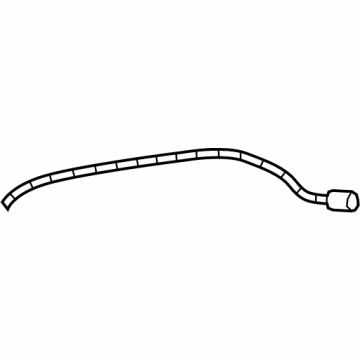
Ram 1500 Sensor - Wheel Speed Part Number: 68563936AB
$33.02 MSRP: $49.00You Save: $15.98 (33%)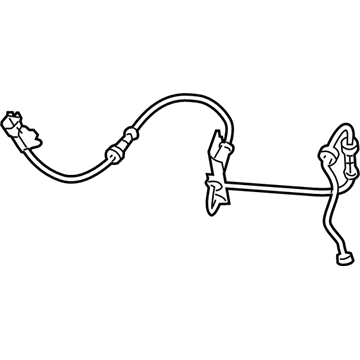
Ram 1500 ABS Sensor, Rear Part Number: 68231044AE
$36.51 MSRP: $54.10You Save: $17.59 (33%)Ships in 1-2 Business DaysRam 1500 ABS Sensor Part Number: 68451032AD
$36.62 MSRP: $54.40You Save: $17.78 (33%)Ships in 1-2 Business Days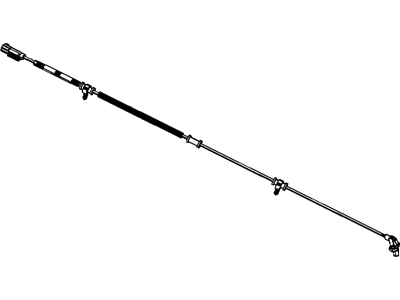
Ram 1500 Sensor - Anti-Lock Brakes Part Number: 68060333AC
$117.92 MSRP: $175.00You Save: $57.08 (33%)Ships in 1-2 Business DaysRam 1500 Sensor - Wheel Speed Part Number: 68548624AB
$16.53 MSRP: $23.75You Save: $7.22 (31%)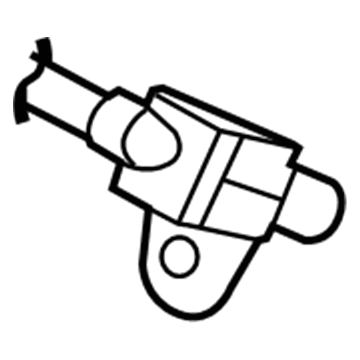
Ram 1500 ABS Sensor Part Number: 68170065AG
$72.59 MSRP: $101.00You Save: $28.41 (29%)Ships in 1-2 Business Days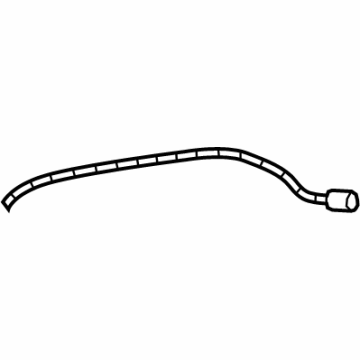
Ram 1500 Sensor - Wheel Speed Part Number: 68451031AC
$59.85 MSRP: $81.25You Save: $21.40 (27%)
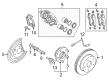
Ram 1500 Sensor - Wheel Speed Part Number: 56028668AH
$52.48 MSRP: $77.95You Save: $25.47 (33%)Ships in 1-2 Business Days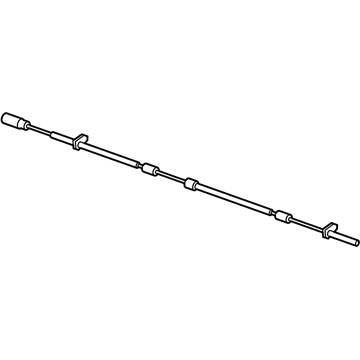
Ram 1500 ABS Sensor Part Number: 68262947AF
$27.20 MSRP: $39.30You Save: $12.10 (31%)
Ram 1500 ABS Sensor
Choose OEM ABS Sensor that meet Ram factory standards. Ram designs and tests every component for precision and durability. Each ABS Sensor follows strict manufacturing steps to lock in quality and fit. If your Ram 1500 matters to you, OEM parts make the smart choice. You'll get the exact look, feel, and performance you expect. Shop genuine 1500 parts at the highly competitive prices online. Enjoy a manufacturer's warranty, a hassle-free return policy, and rapid delivery. No more guesswork with off brands. Get genuine parts with exact fit and true factory performance. Shop with confidence today at JeepPartsDeal.com.
The ABS Sensor on the Ram 1500 monitors wheel speed and sends that information to the braking system rapidly, allowing the truck to maintain control when you press the brakes. The essential component of the ABS Sensor is located relatively close to a toothed ring on each hub. The sensor converts magnetic pulses into voltage which enable the control module to determine exactly how fast each wheel spins, helping to stop lockup and helping the 1500 remain pointed in the direction you choose. Should an ABS Sensor fail, the relevant warning lamp will light up and the operating system will stop pulsing pressure, reminding the driver to replace this part as soon as possible. Apart from smart braking, the Ram 1500 also boasts powerful engine offerings like the 3.6 liter eTorque V6, the thundering 5.7 liter HEMI V8 and the efficient EcoDiesel all tied to a silky eight speed automatic that improves mileage. A multi-link rear suspension helps to smooth out rough roads and an impressive 12,750-pound tow rating proves that this Ram is capable of hauling some serious weight without breaking a sweat. With roomy cabins and smart storage, plus tight build quality, the pickup is as at home on the job site as it is on a weekend adventure. Genuine factory parts also help protect the value through a long ownership period. For those replacing a Ram 1500 ABS Sensor, the general steps are simple, lift the truck, remove wheel, unplug and unbolt the old sensor, clean seat, refit new unit, reconnect, lower, then test drive.
Related Ram 1500 Parts
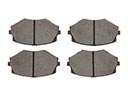 Ram 1500 Brake Pads
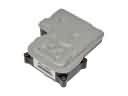 Ram 1500 ABS Control Module
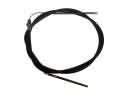 Ram 1500 Parking Brake Cable
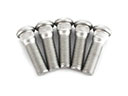 Ram 1500 Wheel Stud
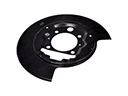 Ram 1500 Backing Plate
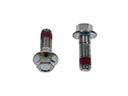 Ram 1500 Brake Caliper Bolt
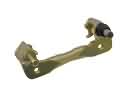 Ram 1500 Brake Caliper Bracket
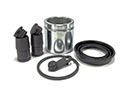 Ram 1500 Brake Caliper Repair Kit
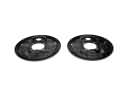 Ram 1500 Brake Dust Shields
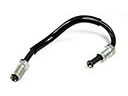 Ram 1500 Brake Line
 Ram 1500 Hydraulic Hose
 Ram 1500 Wheel Hub Bolt