JeepParts
My Garage
My Account
Cart
OEM Ram 1500 Crankshaft Position Sensor
Engine Crankshaft Position Sensor- Select Vehicle by Model
- Select Vehicle by VIN
Select Vehicle by Model
orMake
Model
Year
Select Vehicle by VIN
For the most accurate results, select vehicle by your VIN (Vehicle Identification Number).
7 Crankshaft Position Sensors found
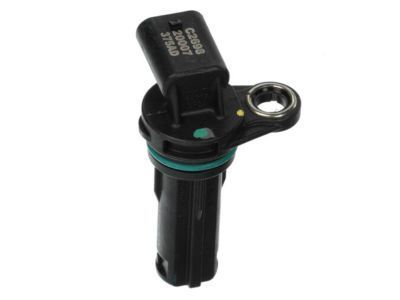
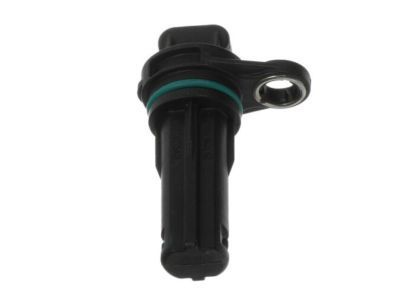
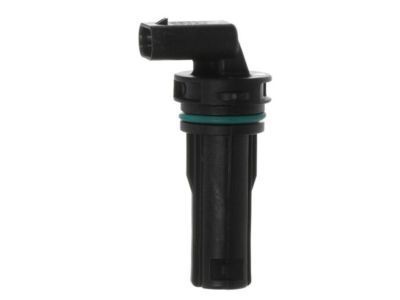
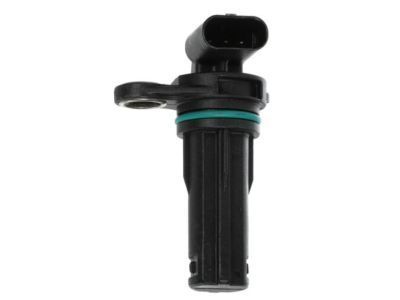
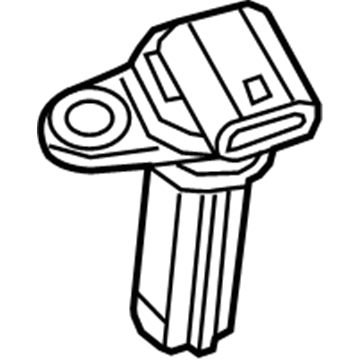

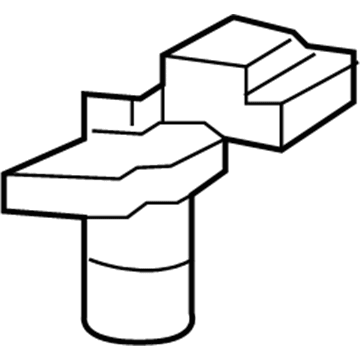
Ram 1500 Crankshaft Position Sensor Part Number: 68079375AD
$78.05 MSRP: $117.00You Save: $38.95 (34%)Ships in 1-3 Business Days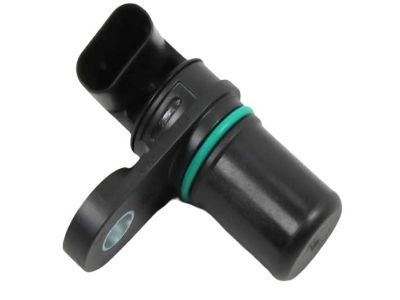
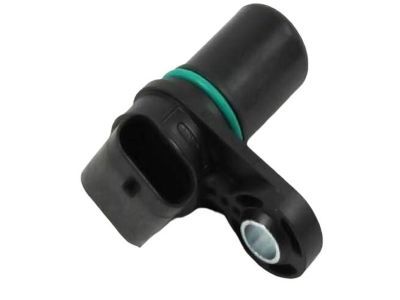
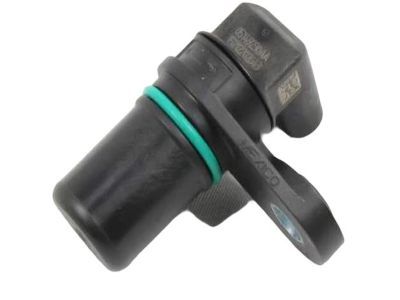
Ram 1500 Crankshaft Position Sensor Part Number: 5149230AA
$63.33 MSRP: $93.40You Save: $30.07 (33%)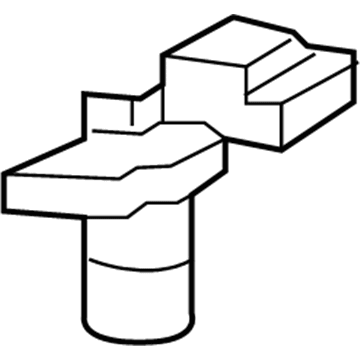
Ram 1500 Crankshaft Position Sensor Part Number: 68477925AB
$74.71 MSRP: $112.00You Save: $37.29 (34%)Ships in 1-2 Business Days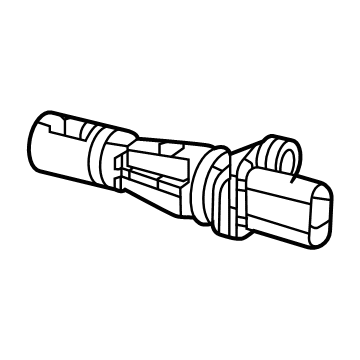
Ram 1500 Crankshaft Position Sensor Part Number: 68445913AB
$27.47 MSRP: $40.65You Save: $13.18 (33%)Ships in 1-2 Business Days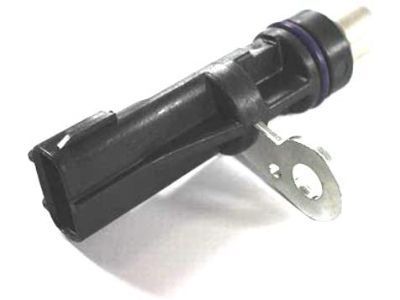
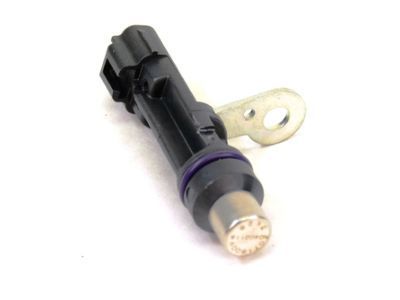
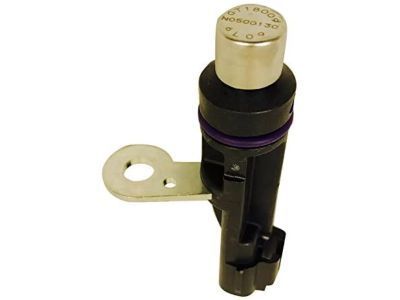
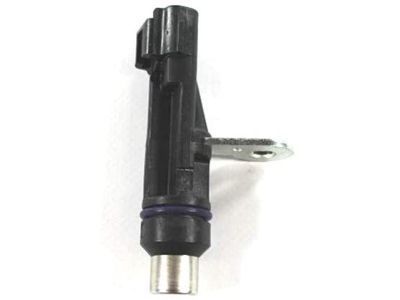
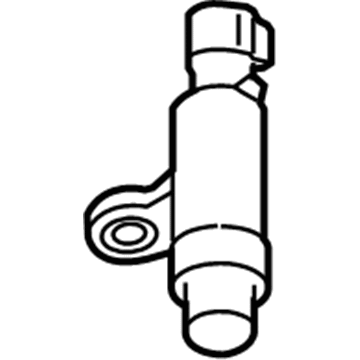
Ram 1500 Crankshaft Position Sensor Part Number: 56028666AB
$183.55 MSRP: $271.00You Save: $87.45 (33%)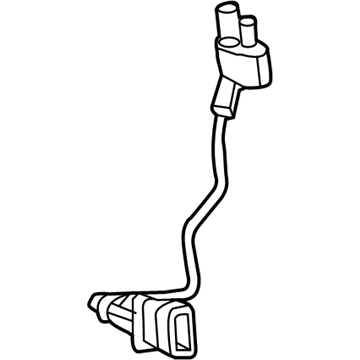
Ram 1500 Crankshaft Position Sensor Part Number: 68490180AA
$121.23 MSRP: $181.00You Save: $59.77 (34%)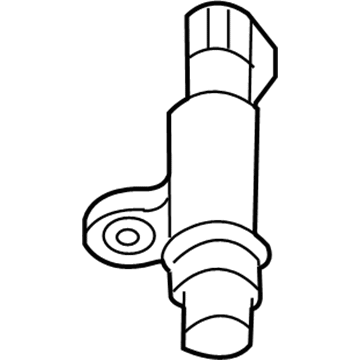
Ram 1500 Crankshaft Position Sensor Part Number: 56044180AE
Ram 1500 Crankshaft Position Sensor
Choose OEM Crankshaft Position Sensor that meet Ram factory standards. Ram designs and tests every component for precision and durability. Each Crankshaft Position Sensor follows strict manufacturing steps to lock in quality and fit. If your Ram 1500 matters to you, OEM parts make the smart choice. You'll get the exact look, feel, and performance you expect. Shop genuine 1500 parts at the highly competitive prices online. Enjoy a manufacturer's warranty, a hassle-free return policy, and rapid delivery. No more guesswork with off brands. Get genuine parts with exact fit and true factory performance. Shop with confidence today at JeepPartsDeal.com.
The Crankshaft Position Sensor on Ram 1500 constantly reads the crank angle along with the crank speed and sends this live data to the engine computer so that power and fuel hit spot on when you need it. Its quick feedback facilitates smooth cold starts and crisp throttle response every time. The Ram 1500 is built on a sturdy ladder frame and has soft multi link rear suspension that produces a smooth ride. The eight speed automatic shifts quickly with powertrain choices from the lively 3.6 liter eTorque V6 to thunderous 5.7 liter HEMI to efficient 3.0 liter EcoDiesel, it lets drivers tow up to 12,750 pounds and cruise comfortably through the city. The interiors of Ram 1500 are made spacious. The cabin is very quiet and there is an excellent smart storage along with user information that makes it very comfortable. The rough and tough bed along with advanced safety technology conveys how powerful and useful it is for performing hard work. The Crankshaft Position Sensor is responsible for supplying precise timing signals to your engines in order to ensure proper firing, avoid misfires, and help the control module trim the fuel for better mileage. The Crankshaft Position Sensor is a sensor with a large part to play in the dependable nature of every Ram 1500. The durable sealing resists heat and vibration. To install a new Crankshaft Position Sensor, you must first disconnect the battery, swap the sensors, and tighten the bolt. After this, reconnect the plug and battery and finally verify the idle.
Related Ram 1500 Parts
 Ram 1500 Mass Air Flow Sensor
 Ram 1500 Ignition Coil
 Ram 1500 Camshaft Position Sensor
 Ram 1500 Coolant Temperature Sensor
 Ram 1500 Knock Sensor
 Ram 1500 MAP Sensor
 Ram 1500 Oxygen Sensor
 Ram 1500 Engine Control Module
 Ram 1500 Glow Plug
 Ram 1500 Igniter
 Ram 1500 Ignition Control Module
 Ram 1500 Intake Manifold Temperature Sensor