JeepParts
My Garage
My Account
Cart
OEM Ram 1500 Fuel Filler Neck
Fuel Tank Filler Neck Hose Pipe- Select Vehicle by Model
- Select Vehicle by VIN
Select Vehicle by Model
orMake
Model
Year
Select Vehicle by VIN
For the most accurate results, select vehicle by your VIN (Vehicle Identification Number).
13 Fuel Filler Necks found
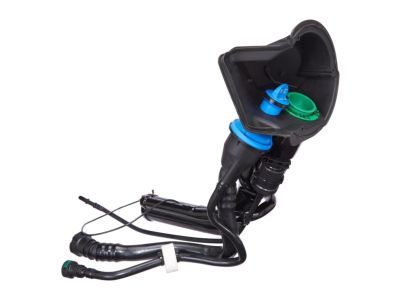
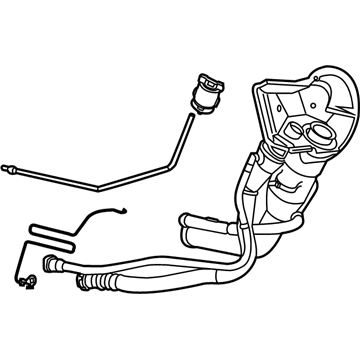
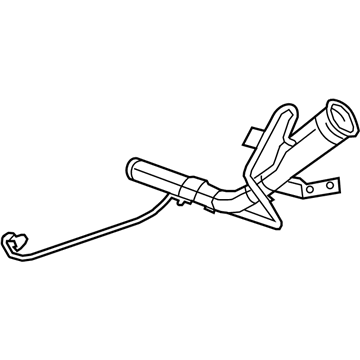
Ram 1500 Filler Neck Part Number: 52029931AF
$771.29 MSRP: $1169.49You Save: $398.20 (35%)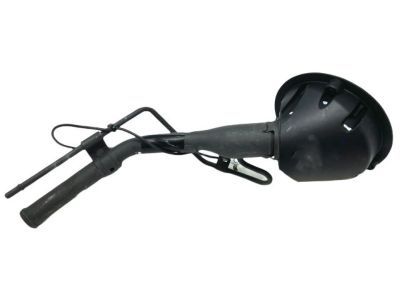
Ram 1500 Filler Neck, Upper Part Number: 68448220AA
$112.62 MSRP: $169.00You Save: $56.38 (34%)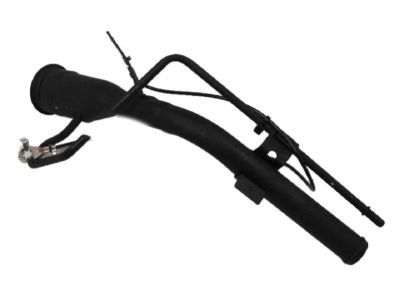
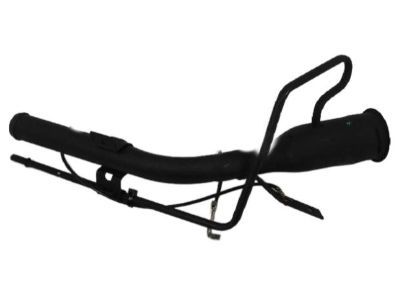
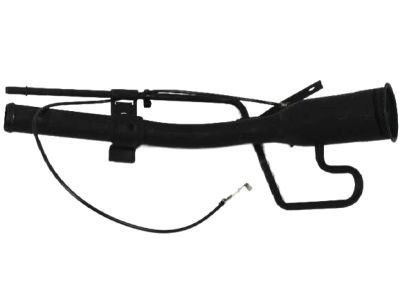
Ram 1500 Filler Neck, Upper Part Number: 55398621AG
$205.16 MSRP: $307.00You Save: $101.84 (34%)Ships in 1-2 Business Days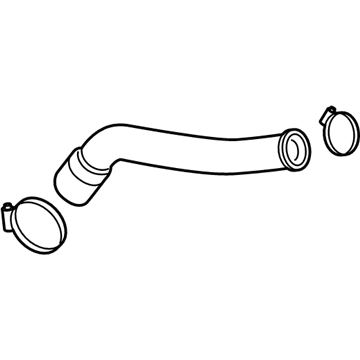
Ram 1500 Filler Neck Part Number: 68631843AA
$87.08 MSRP: $132.00You Save: $44.92 (35%)Ships in 1-2 Business Days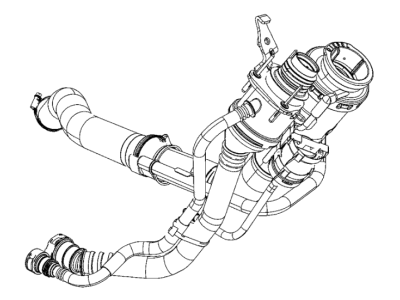
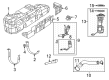
Ram 1500 Filler Neck Part Number: 52029843AF
$219.66 MSRP: $334.00You Save: $114.34 (35%)Ships in 1-2 Business Days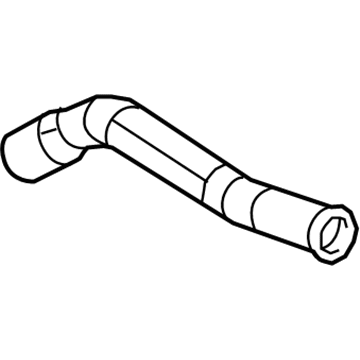
Ram 1500 Filler Tube, Lower Part Number: 55398305AG
$27.58 MSRP: $40.80You Save: $13.22 (33%)Ships in 1-2 Business Days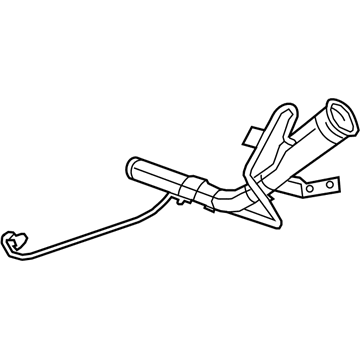
Ram 1500 Filler Neck, Lower Part Number: 68445050AB
$30.04 MSRP: $44.65You Save: $14.61 (33%)Ships in 1-2 Business DaysRam 1500 Filler Tube, Lower Part Number: 68322805AB
$35.04 MSRP: $52.20You Save: $17.16 (33%)Ships in 1-2 Business Days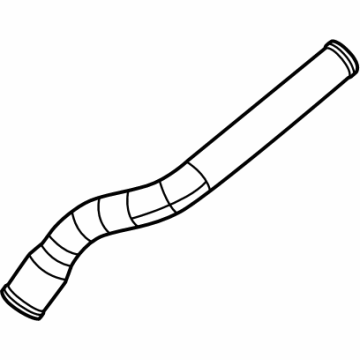
Ram 1500 Filler Neck, Lower Part Number: 68408313AB
$54.56 MSRP: $81.20You Save: $26.64 (33%)Ships in 1-2 Business DaysRam 1500 Filler Neck Part Number: 68619921AA
$50.11 MSRP: $72.00You Save: $21.89 (31%)Ships in 1-2 Business Days
Ram 1500 Hose - Fuel Filler Part Number: 52029839AC
$61.49 MSRP: $92.05You Save: $30.56 (34%)Ships in 1-2 Business Days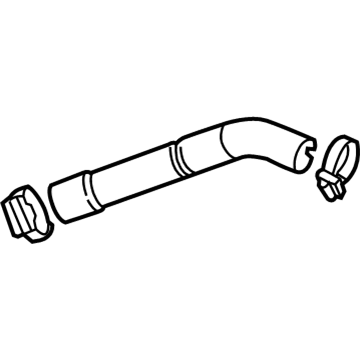
Ram 1500 Hose Part Number: 68175110AD
Ram 1500 Filler Neck Part Number: 68169822AC
Ram 1500 Fuel Filler Neck
Choose OEM Fuel Filler Neck that meet Ram factory standards. Ram designs and tests every component for precision and durability. Each Fuel Filler Neck follows strict manufacturing steps to lock in quality and fit. If your Ram 1500 matters to you, OEM parts make the smart choice. You'll get the exact look, feel, and performance you expect. Shop genuine 1500 parts at the highly competitive prices online. Enjoy a manufacturer's warranty, a hassle-free return policy, and rapid delivery. No more guesswork with off brands. Get genuine parts with exact fit and true factory performance. Shop with confidence today at JeepPartsDeal.com.
Ram 1500 Fuel Filler Neck connects the cap hole and the tank, however, before considering the very important tube it is important to remember what makes the Ram 1500 so loyal. The truck offers power V6 and V8 alternatives, eight speed shifting, and an intelligent multi link rear suspension that helps in keeping the rides steady on rough locations without robbing them of their towing power. The Ram 1500 can take equipment to the job, friends to the lake and travel the highway with the same comfort due to a roomy interior with intelligent storage, solid frame construction and stunning max tow ratings. Sturdier components and the availability of factory components reduce the time of maintenance and ensure that all Ram 1500 continue working hard even during years. With the Fuel Filler Neck switched to, the gasoline flows into the tank in a clean and sealed stream, vapors are contained, and rust and UV damage are prevented, thus ensuring that refills are quick and painless. Its specific bends are compatible with the body line of the Ram 1500, without kinking and leaking but meeting the emissions standards. Regular checking of the Fuel Filler Neck compels the owners to identify wear at an early stage. The clean Fuel Filler Neck will save time at the pump. It also shields the costly pump by not allowing dirt to get in the line of fuel. Installation of a new Fuel Filler Neck requires parking on a flat surface, disconnecting battery, de-pressurizing, removing old neck, replacing gaskets, installing new neck, clamp tightening, lowering the truck and adding fuel and checking whether there is any leakage.
Related Ram 1500 Parts
 Ram 1500 Fuel Pump
 Ram 1500 Gas Cap
 Ram 1500 Fuel Filter
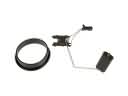 Ram 1500 Fuel Level Sensor
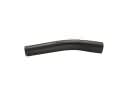 Ram 1500 Fuel Filler Hose
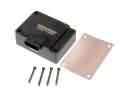 Ram 1500 Fuel Pump Driver Module
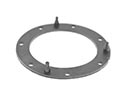 Ram 1500 Fuel Pump Gasket
 Ram 1500 Fuel Pump Tank Seal
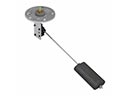 Ram 1500 Fuel Sending Unit
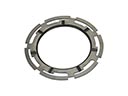 Ram 1500 Fuel Tank Lock Ring
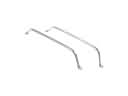 Ram 1500 Fuel Tank Strap
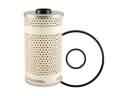 Ram 1500 Fuel Water Separator Filter