JeepParts
My Garage
My Account
Cart
OEM Ram 1500 Vapor Canister
Fuel Vapor Canister- Select Vehicle by Model
- Select Vehicle by VIN
Select Vehicle by Model
orMake
Model
Year
Select Vehicle by VIN
For the most accurate results, select vehicle by your VIN (Vehicle Identification Number).
4 Vapor Canisters found
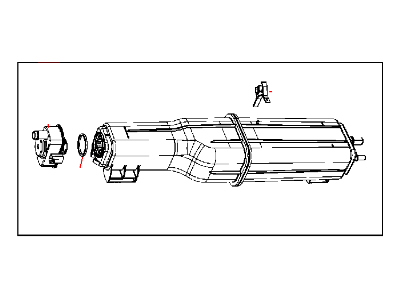
Ram 1500 Canister - Vapor Part Number: 5147067AJ
$425.79 MSRP: $606.00You Save: $180.21 (30%)Ships in 1 Business Day
Ram 1500 Canister - Vapor Part Number: 68606282AA
$251.94 MSRP: $388.00You Save: $136.06 (36%)
Ram 1500 Canister - Vapor Part Number: 68606283AA
$251.94 MSRP: $383.00You Save: $131.06 (35%)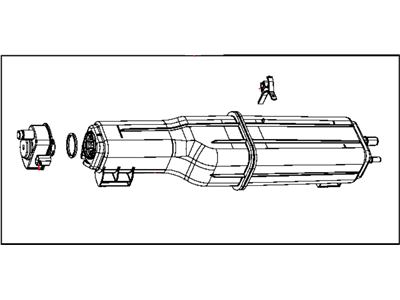

Ram 1500 Canister - Vapor Part Number: 5147075AJ
$235.37 MSRP: $355.00You Save: $119.63 (34%)Ships in 1 Business Day
Ram 1500 Vapor Canister
Choose OEM Vapor Canister that meet Ram factory standards. Ram designs and tests every component for precision and durability. Each Vapor Canister follows strict manufacturing steps to lock in quality and fit. If your Ram 1500 matters to you, OEM parts make the smart choice. You'll get the exact look, feel, and performance you expect. Shop genuine 1500 parts at the highly competitive prices online. Enjoy a manufacturer's warranty, a hassle-free return policy, and rapid delivery. No more guesswork with off brands. Get genuine parts with exact fit and true factory performance. Shop with confidence today at JeepPartsDeal.com.
Ram 1500 Vapor Canister has the ability to capture vapors of fuel so that they are burnt instead of being released into the air to allow the truck to operate cleaner and smell cleaner. The Ram 1500 also gives rewards to drivers, high engine power, efficient eight speed automatic, and coil spring rear suspension that levels out the bad roads and maintains a stable bed load. It also has sophisticated driver aids that increase confidence in long journeys. The Ram 1500 is offered with a spacious cabin, touch control with ease of use, and smart design that helps to make long working days less exhausting inside. The frame and braking package enable the Ram 1500 to pull heavy trailers without any hesitation but steering is light in the city traffic. It also implies that the factory parts are easily accessed because of owning a Ram 1500 whenever it requires maintenance. The Vapor Canister is placed close to the fuel tank and it is filled with activated charcoal which traps the fumes of gasoline and thereby reduces the emissions, and eliminates the smell of fuel around the car as the fumes are drawn into the engine by the engine. A blocked Vapor Canister may start warning lights and wasted fuel hence it is important to check it periodically. Since the Vapor Canister is in continuous operation, cracks or clogged charcoal are to be replaced. Installation of a new Vapor Canister requires relieving of pressure, unbolstering the old system and replacing it, reconnecting hoses, attaching shields, and checking leaks.
Related Ram 1500 Parts
 Ram 1500 EGR Valve
 Ram 1500 Canister Purge Valve
 Ram 1500 EGR Cooler
 Ram 1500 Crankcase Breather Hose
 Ram 1500 EGR Tube
 Ram 1500 EGR Tube Gaskets
 Ram 1500 EGR Vacuum Solenoid
 Ram 1500 EGR Valve Gasket
 Ram 1500 Exhaust Gas Temperature Sensor
 Ram 1500 Exhaust Heat Shield
 Ram 1500 PCV Hose
 Ram 1500 Tail Pipe