JeepParts
My Garage
My Account
Cart
OEM 2001 Chrysler PT Cruiser Automatic Transmission Filter
AT Filter- Select Vehicle by Model
- Select Vehicle by VIN
Select Vehicle by Model
orMake
Model
Year
Select Vehicle by VIN
For the most accurate results, select vehicle by your VIN (Vehicle Identification Number).
1 Automatic Transmission Filter found
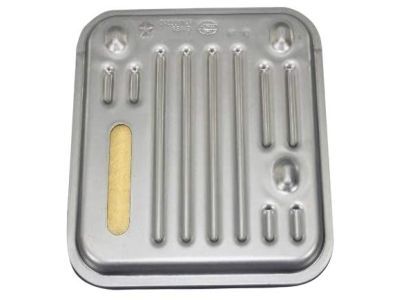
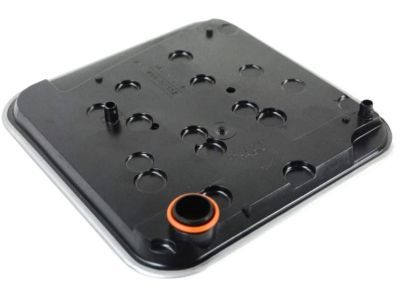
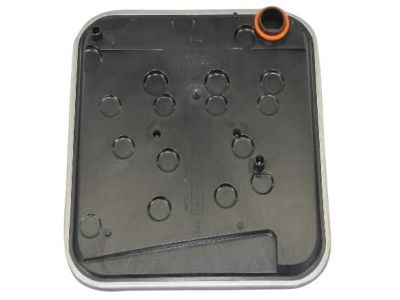
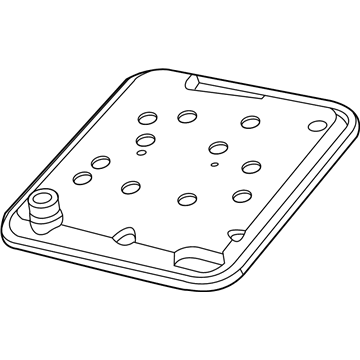
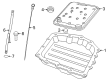
2001 Chrysler PT Cruiser Auto Transmission Filter Part Number: 4864505AB
$43.88 MSRP: $65.00You Save: $21.12 (33%)Ships in 1-2 Business DaysProduct Specifications- Other Name: Filter Package - Transmission Oil; Transmission Filter; Hydraulic Filter; Filter Package Transmission Oil Includes Item # 12; Filter Kit Transmission Oil
- Item Weight: 1.00 Pounds
- Item Dimensions: 1.6 x 7.5 x 7.5 inches
- Condition: New
- Fitment Type: Direct Replacement
- SKU: 4864505AB
- Warranty: This genuine part is guaranteed by Mopar's factory warranty.
2001 Chrysler PT Cruiser Automatic Transmission Filter Parts and Q&A
- Q: How to Perform a Fluid and Automatic Transmission Filter Service with Mopar ATF +4 on 2001 Chrysler PT Cruiser?A: During transaxle fluid and filter service, use only Mopar ATF +4 (Automatic Transmission Fluid) Type 9602. Having the filter changed at the same time as the oil change is important and it's essential to use a dry, clean cloth to clean the magnet in the oil pan. Should the transaxle be taken apart, install a new filter and drain the old fluid. The first step is to lift the car on a hoist and set the container for the fluid beneath the transaxle oil pan. Loose the bolts, tap a corner to break it up, then slide out the oil pan to remove all the old oil. Fit a new filter and O-ring to the bottom of the valve body, clean the pan and magnetic component, use new Mopar Silicone Adhesive sealant to attach the pan and secure everything with bolts tightened to 19 Nm (165 inch lbs.). Add four quarts of Mopar ATF +4 to the dipstick area, start the engine and keep the car running at idle for a full minute. Once you've stopped with the parking and service brakes, move the shift lever quickly to every position and return it to park or neutral. Look at the transaxle fluid reservoir to ensure it is filled to 3 mm (1/8 inch) before the lowest mark on the dipstick and repeat this check after your transaxle reaches 180°F. Press the dipstick down fully to avoid allowing dirt to get into the transaxle. Another method is to use a suction device, allow the transaxle to heat up completely, insert the line into the dipstick tube all the way down and check that the fluid is at the lowest point in the transaxle oil pan. After getting rid of the suction line, pour four quarts Mopar ATF +4 into the dipstick opening, prompt the engine and then continue the process for checking and adjusting the fluids as before.
Related 2001 Chrysler PT Cruiser Parts
 2001 Chrysler PT Cruiser Axle Shaft
 2001 Chrysler PT Cruiser Clutch Cable
 2001 Chrysler PT Cruiser Clutch Fork
 2001 Chrysler PT Cruiser CV Boot
 2001 Chrysler PT Cruiser Torque Converter
 2001 Chrysler PT Cruiser Transmission Pan