JeepParts
My Garage
My Account
Cart
OEM 2001 Dodge Ram 2500 Clutch Master Cylinder
- Select Vehicle by Model
- Select Vehicle by VIN
Select Vehicle by Model
orMake
Model
Year
Select Vehicle by VIN
For the most accurate results, select vehicle by your VIN (Vehicle Identification Number).
1 Clutch Master Cylinder found
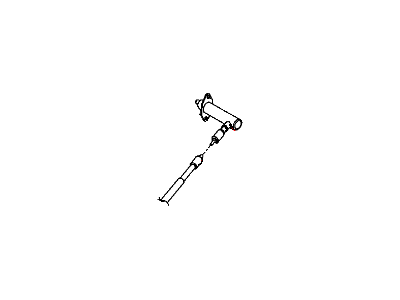
2001 Dodge Ram 2500 Hydraulic Assembly Part Number: 5015258AA
Product Specifications- Other Name: Cylinder - Clutch Master Cylinder; Hydraulic Assembly Clutch Master Cylinder
- Replaces: 52107863AA
- Item Weight: 3.30 Pounds
- Item Dimensions: 5.7 x 14.6 x 15.5 inches
- Condition: New
- Fitment Type: Direct Replacement
- SKU: 5015258AA
- Warranty: This genuine part is guaranteed by Mopar's factory warranty.
2001 Dodge Ram 2500 Clutch Master Cylinder Parts and Q&A
- Q: How to Service and Repair a Clutch Master Cylinder on 2001 Dodge Ram 2500?A: Before servicing or repairing the clutch master cylinder, raise and hold up the vehicle. Tie down the vehicle securely, remove the slave cylinder from the clutch housing and eliminate the nuts from the slave cylinder. Take off the plastic clips holding the hydraulic line to the lower and upper dash panel. Drop the car and unplug the clutch pedal interlock switch wire harnesses. Remove the retaining clip, push the clutch master cylinder push rod up off its pin, inspect the bushing in the pushrod for wear or damage and replace the hydraulic linkage if you notice any problems. Screw down the cap over the clutch master cylinder reservoir and pull off the lock nuts on the dash panel and the screws under the clutch fluid reservoir. Take off the clutch master cylinder and all the clutch cylinders, the reservoir and all related lines from the car. When installing the clutch, tighten the cap on the clutch fluid reservoir first, align the cylinders, connecting lines and reservoir in the engine compartment and put the clutch hydraulic line against the dash panel. Screw the clutch master cylinder into the dash panel with nuts and grease the master cylinder bushing very slightly. Add the push rod to the clutch pedal pin, snap it into place using the retaining clip and link the clutch pedal position switch cables. Place the clutch fluid reservoir on the dash panel and put in the reservoir screws, tightening them up to 5 Nm (40 inch lbs.). Put the plastic clips back into place around the hydraulic line and the dash panel. Put the vehicle on a lift, fit the slave cylinder and push the cap at the end of its rod onto the release lever before screwing its attaching nuts until you reach 23 Nm (200 inch lbs.) torque. For a clutch which uses a new linkage, attach the clutch hydraulic line to the clutch slave cylinder. Make sure the linkage works properly by turning the lever many times as the backhoe is lowered.
Related 2001 Dodge Ram 2500 Parts
 2001 Dodge Ram 2500 Transfer Case
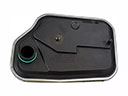 2001 Dodge Ram 2500 Automatic Transmission Filter
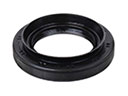 2001 Dodge Ram 2500 Automatic Transmission Output Shaft Seal
 2001 Dodge Ram 2500 Automatic Transmission Shifter
 2001 Dodge Ram 2500 Clutch Fork
 2001 Dodge Ram 2500 Flywheel
 2001 Dodge Ram 2500 Flywheel Ring Gear
 2001 Dodge Ram 2500 Manual Transmission Extension Housing Seal
 2001 Dodge Ram 2500 Needle Bearing
 2001 Dodge Ram 2500 Pilot Bearing
 2001 Dodge Ram 2500 Release Bearing
 2001 Dodge Ram 2500 Transmission Pan