JeepParts
My Garage
My Account
Cart
OEM Chrysler 200 TPMS Sensor
Tire Pressure Monitoring System Sensor- Select Vehicle by Model
- Select Vehicle by VIN
Select Vehicle by Model
orMake
Model
Year
Select Vehicle by VIN
For the most accurate results, select vehicle by your VIN (Vehicle Identification Number).
3 TPMS Sensors found
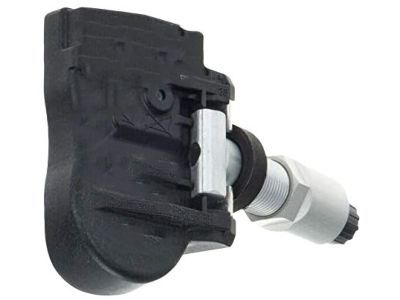
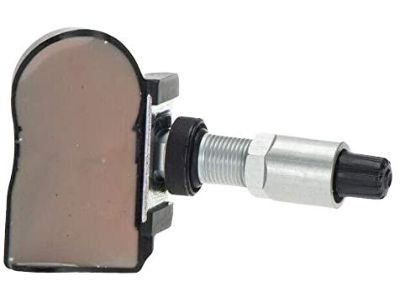
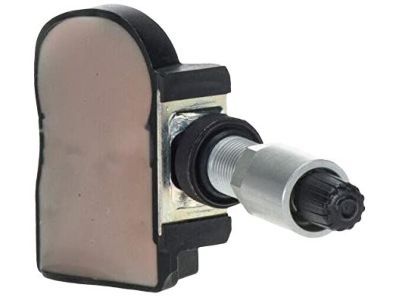
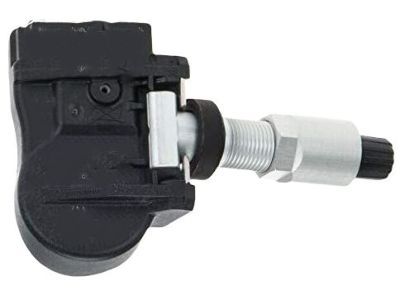
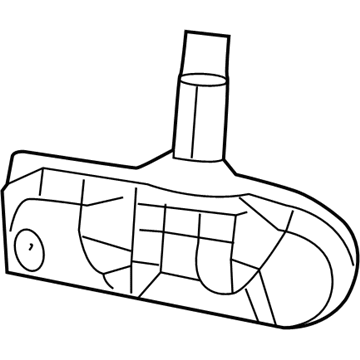
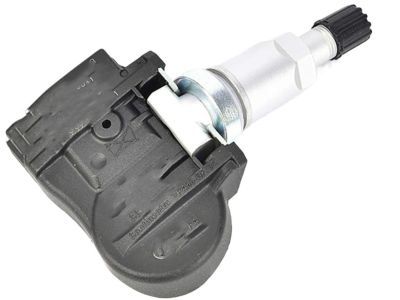
Chrysler 200 TPMS Sensor Part Number: 68078768AC
$52.06 MSRP: $112.00You Save: $59.94 (54%)Ships in 1-3 Business Days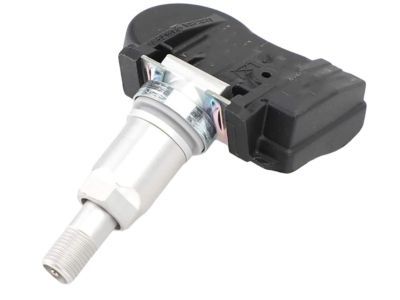
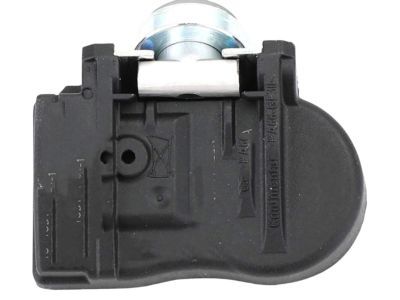
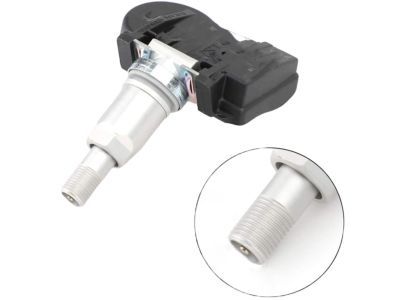

Chrysler 200 TPMS Sensor Part Number: 68078861AC
$105.93 MSRP: $159.00You Save: $53.07 (34%)Ships in 1-2 Business Days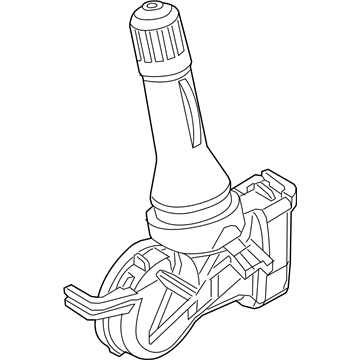
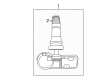
Chrysler 200 TPMS Sensor Part Number: 68399030AC
$120.42 MSRP: $182.00You Save: $61.58 (34%)Ships in 1-2 Business Days
Chrysler 200 TPMS Sensor
Choose OEM TPMS Sensor that meet Chrysler factory standards. Chrysler designs and tests every component for precision and durability. Each TPMS Sensor follows strict manufacturing steps to lock in quality and fit. If your Chrysler 200 matters to you, OEM parts make the smart choice. You'll get the exact look, feel, and performance you expect. Shop genuine 200 parts at the highly competitive prices online. Enjoy a manufacturer's warranty, a hassle-free return policy, and rapid delivery. No more guesswork with off brands. Get genuine parts with exact fit and true factory performance. Shop with confidence today at JeepPartsDeal.com.
Chrysler 200 TPMS Sensor is a modern monitoring coming to the Chrysler 200, a mid size vehicle that boasts of quiet cabin and a combination of a lifelike V6 or an efficient four cylinder engine. Riding on a nimble platform, the sedan provides managed cornering with front wheel drive or optional all wheel drive, and its suspension ironing out craterous pavement that commuters face everyday. The Chrysler 200 surrounds occupants with soft touch, easy-to-use infotainment, and safety features such as traction control and various airbags which made the Chrysler 200 achieve high crash test scores. Long journeys are comfortable with supportive seats and aerodynamics that reduces wind noise and maximizes fuel efficiency that keeps the Chrysler 200 in the optimal condition over many years. One of the most important components of such efficiency is the TPMS Sensor, which is an electronic gauge installed on every wheel and reads the air pressure and temperature and transmits the information to the dash to make sure that all drivers can know the precise position of all tires. The TPMS Sensor is so responsive to the changes that it flashes a warning should pressure decrease, keeping the ride steady, steering precise, braking positive, and tread life to the maximum. Its microchip goes the extra mile to counteract atmospheric changes in temperatures to ensure that the readings remain consistent during icy mornings or hot afternoons. TPMS Sensors have durable housings, sealed batteries, which allow years of service in high-heat, low-low, and high-vibration environments. Installation requires lifting, securing the car, removing the tire, changing the TPMS Sensor and valve stem, inflating and balancing, and performing one quick relearn before driving.
Related Chrysler 200 Parts
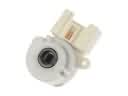 Chrysler 200 Ignition Switch
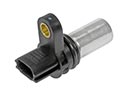 Chrysler 200 Camshaft Position Sensor
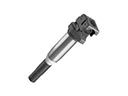 Chrysler 200 Ignition Coil
 Chrysler 200 Body Control Module
 Chrysler 200 Engine Control Module
 Chrysler 200 Fuse
 Chrysler 200 Headlight Switch
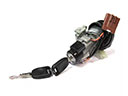 Chrysler 200 Igniter
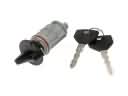 Chrysler 200 Ignition Lock Assembly
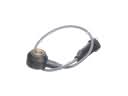 Chrysler 200 Knock Sensor
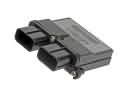 Chrysler 200 Occupant Detection Sensor
 Chrysler 200 Wiper Linkage