JeepParts
My Garage
My Account
Cart
OEM Chrysler Voyager Fuel Rail
Engine Fuel Rail- Select Vehicle by Model
- Select Vehicle by VIN
Select Vehicle by Model
orMake
Model
Year
Select Vehicle by VIN
For the most accurate results, select vehicle by your VIN (Vehicle Identification Number).
6 Fuel Rails found
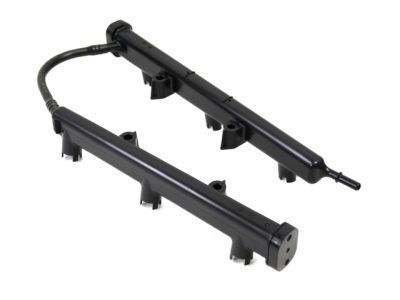
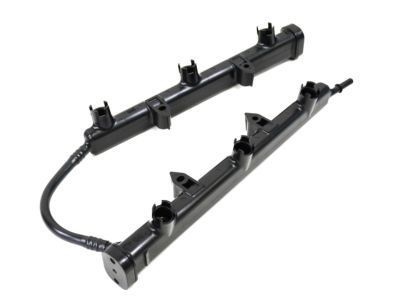
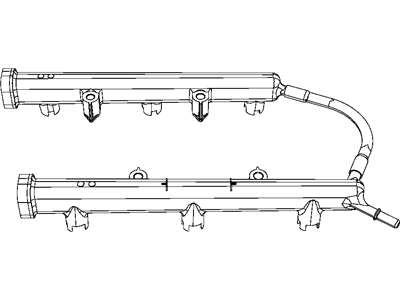
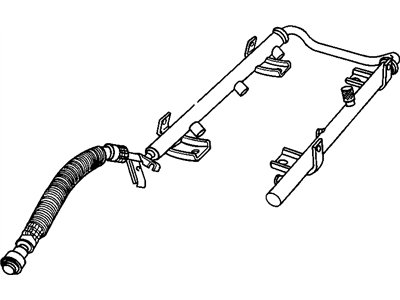
Chrysler Voyager Fuel Rail Part Number: 4593922AA
$376.81 MSRP: $574.00You Save: $197.19 (35%)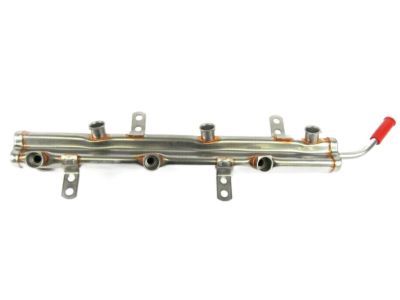
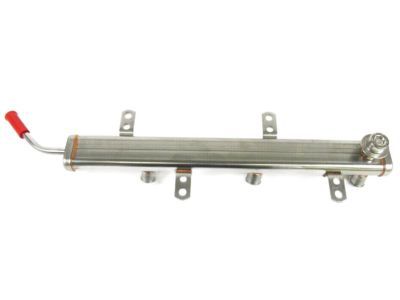
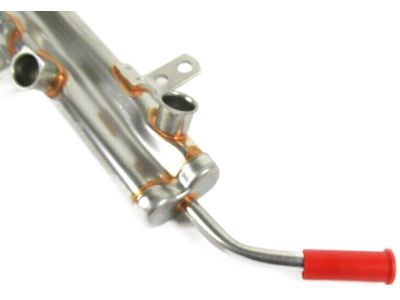
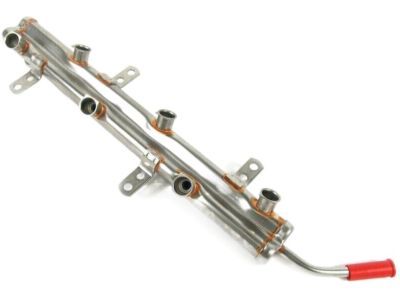
Chrysler Voyager Fuel Rail Part Number: 4861498AC
$125.78 MSRP: $188.00You Save: $62.22 (34%)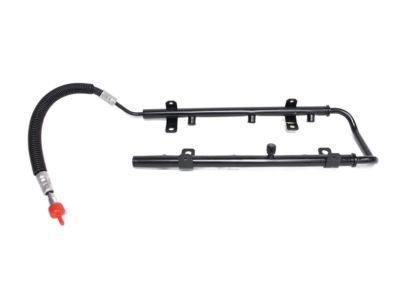
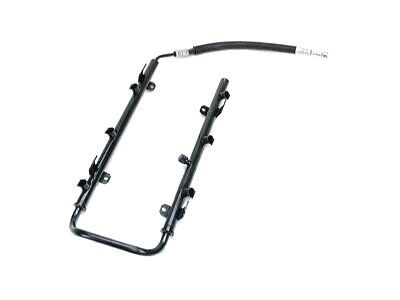
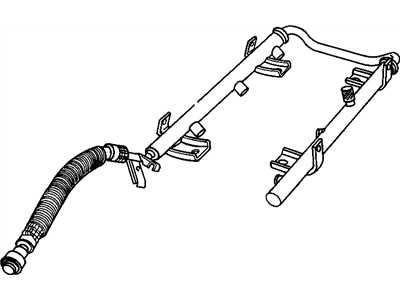
Chrysler Voyager Fuel Rail Part Number: 4612217AB
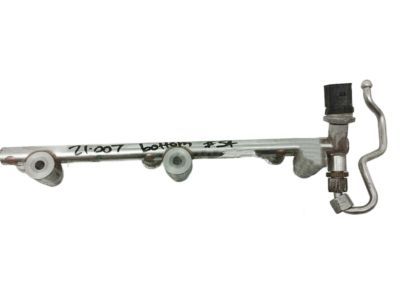
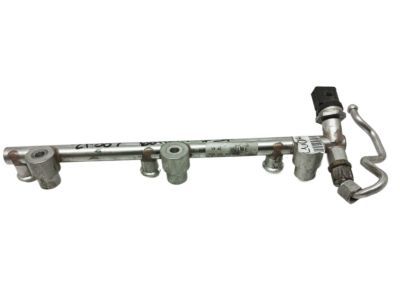
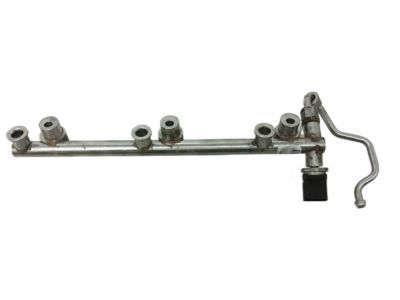
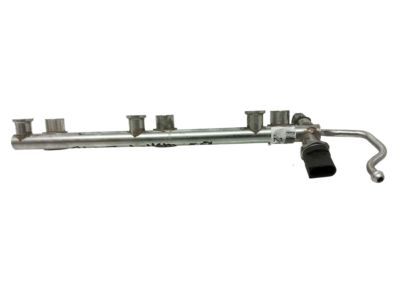
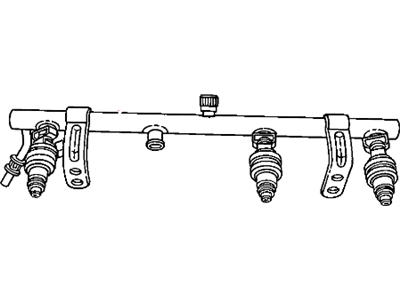
Chrysler Voyager Fuel Rail Part Number: 4861387AD
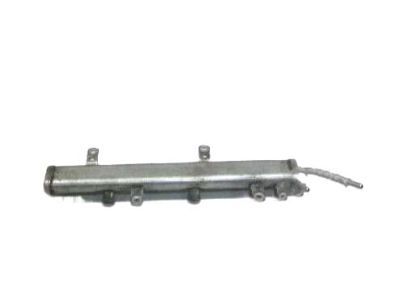
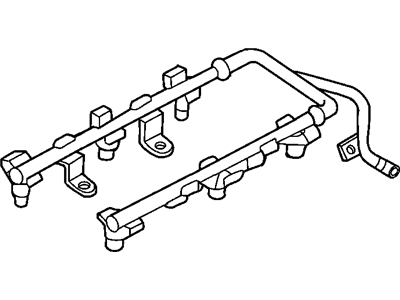
Chrysler Voyager Fuel Rail Part Number: 4861498AD
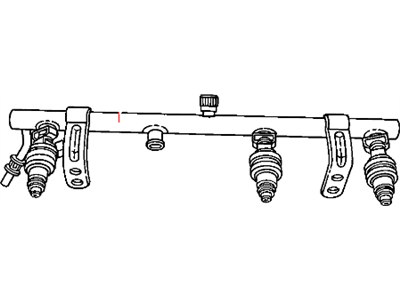
Chrysler Voyager Fuel Rail Part Number: 4612213
Chrysler Voyager Fuel Rail
Choose OEM Fuel Rail that meet Chrysler factory standards. Chrysler designs and tests every component for precision and durability. Each Fuel Rail follows strict manufacturing steps to lock in quality and fit. If your Chrysler Voyager matters to you, OEM parts make the smart choice. You'll get the exact look, feel, and performance you expect. Shop genuine Voyager parts at the highly competitive prices online. Enjoy a manufacturer's warranty, a hassle-free return policy, and rapid delivery. No more guesswork with off brands. Get genuine parts with exact fit and true factory performance. Shop with confidence today at JeepPartsDeal.com.
Chrysler Voyager Fuel Rail Parts and Q&A
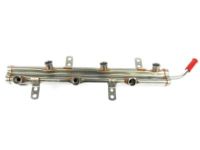
- Q:How to Service a Fuel Rail on Chrysler Voyager?A:First, let all the fuel system air out by releasing the pressure, then put a negative cable on the battery to avoid it becoming live during repairs. Bend the wires downwards where you can grab the connectors with one hand. Unplug the tube connectors from the Fuel Injectors and take out the harness from the vehicle. Tape off the fuel injection port and then remove the fuel hose quick connect fitting from the tube, covering each connection with a shop towel on the side of the tube to catch any spilled gasoline. After that, remove the bolts securing the fuel rail and carefully remove the fuel rail, trying not to harm the injector O-rings. When putting in the injectors, check that the holes are fit for your use and try to replace any O-rings that are worn. Slide a little engine oil over the O-ring on each injector before putting the tip into its port and press the injector into place, making sure it's fully seated. Place and tighten the fuel rail mounting bolts to 22 Nm (200 in. lbs.) torque. Linked all the brackets to the fuel injectors and reattach the wiring harnessbrackets to the fuel injectors. At the end, connect the negative side of the battery cable and, using your DRB III scan tool, apply pressure to the fuel system to see if any leaks appear.
Related Chrysler Voyager Parts
 Chrysler Voyager Fuel Filter
 Chrysler Voyager Fuel Pump
 Chrysler Voyager Fuel Tank
 Chrysler Voyager Fuel Filler Hose
 Chrysler Voyager Fuel Injector O-Rings
 Chrysler Voyager Fuel Pressure Regulator
 Chrysler Voyager Fuel Pump Seal
 Chrysler Voyager Fuel Sending Unit
 Chrysler Voyager Fuel Tank Lock Ring
 Chrysler Voyager Fuel Tank Strap
 Chrysler Voyager Gas Cap
 Chrysler Voyager Idle Control Valve