JeepParts
My Garage
My Account
Cart
OEM Dodge Caliber Windshield
Glass Windshield- Select Vehicle by Model
- Select Vehicle by VIN
Select Vehicle by Model
orMake
Model
Year
Select Vehicle by VIN
For the most accurate results, select vehicle by your VIN (Vehicle Identification Number).
1 Windshield found
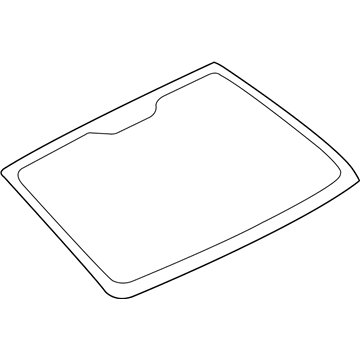
Dodge Caliber Windshield, Front Part Number: 5191245AB
$425.94 MSRP: $620.00You Save: $194.06 (32%)Ships in 1-3 Business Days
Dodge Caliber Windshield
Choose OEM Windshield that meet Dodge factory standards. Dodge designs and tests every component for precision and durability. Each Windshield follows strict manufacturing steps to lock in quality and fit. If your Dodge Caliber matters to you, OEM parts make the smart choice. You'll get the exact look, feel, and performance you expect. Shop genuine Caliber parts at the highly competitive prices online. Enjoy a manufacturer's warranty, a hassle-free return policy, and rapid delivery. No more guesswork with off brands. Get genuine parts with exact fit and true factory performance. Shop with confidence today at JeepPartsDeal.com.
Dodge Caliber Windshield Parts and Q&A
- Q:What Are the Best Practices for Installing a Windshield to Ensure Optimal Curing and Performance on Dodge Caliber?A:After installing the windshield, wait at least 24 hours before using the car, because curing it properly is important for its performance if you get into an accident. Before you install, only let down the glass partway on the left and right window, so the car will not pressurize if a door is slammed. Do not touch urethane or primers to any painted or trimmed parts of your boat. When using a razor knife, cut off all the original urethane from the glass surface without touching or scratching the paint on the windshield support. Scrap off most of the old urethane adhesive from the windshield fence, making sure 1 mm remains on each side for proper bonding and set new spacers along the edge where they are needed. Make the original strip of urethane on the windshield fence roughly 1 mm thick and replace adhesive backed spacers where necessary. Put a new rubber seal around the top edge of the windshield and then lay the glass against the fence and spacers so it is even all around. Fence and windshield markers will help, so remove the windshield and set it on a soft surface. Use a glass-safe ammonia cleaner and a cloth without lint to clean the interior of your windshield, then go around the edge of the glass with a glass prep adhesion promoter and wipe it dry. Then, put glass primer around the edge of the glass, let it dry for a few minutes and check under a flashlight that the glass is properly primed everywhere. Apply ammonia-based cleaner to the windshield fence, then put pinch weld primer around it, setting it aside for three minutes to dry and checking it's well-covered. Place a 10 mm bead of adhesive 6 mm from the outer edge of the glass and smooth the joints over with your hands. Gently place the windshield over the hole, align it as needed with the reference points and slowly guide the rubber seal inside as you lower the windshield into place. Place the sides and bottom of the fence against the spacers and have the windshield touch them, then attach the cowl grill and rear view mirror to the windshield.
Related Dodge Caliber Parts
 Dodge Caliber Hood Latch
 Dodge Caliber Rear Crossmember
 Dodge Caliber Seat Covers
 Dodge Caliber Subwoofer
 Dodge Caliber Sunroof
 Dodge Caliber Car Mirror
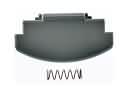 Dodge Caliber Center Console Latch
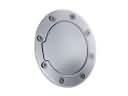 Dodge Caliber Fuel Door
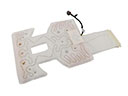 Dodge Caliber Seat Heater
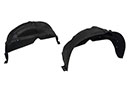 Dodge Caliber Wheelhouse
 Dodge Caliber Windshield Wiper
 Dodge Caliber Wiper Blade