JeepParts
My Garage
My Account
Cart
OEM Dodge Charger Parking Brake Cable
Emergency Parking Brake Release Cable- Select Vehicle by Model
- Select Vehicle by VIN
Select Vehicle by Model
orMake
Model
Year
Select Vehicle by VIN
For the most accurate results, select vehicle by your VIN (Vehicle Identification Number).
12 Parking Brake Cables found
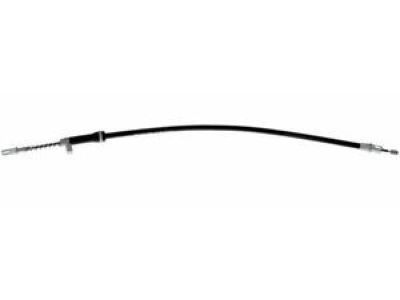
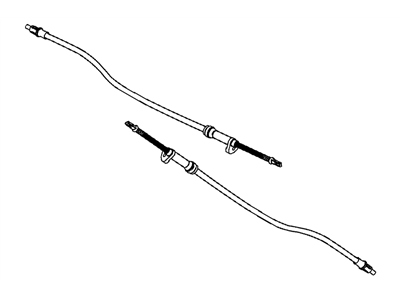
Dodge Charger Rear Cable Part Number: 4779592AF
$28.69 MSRP: $42.80You Save: $14.11 (33%)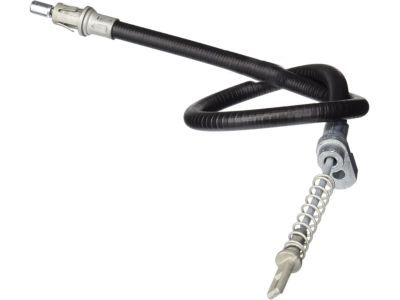
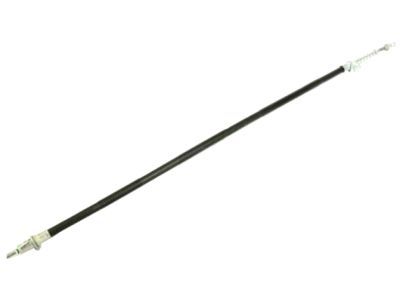
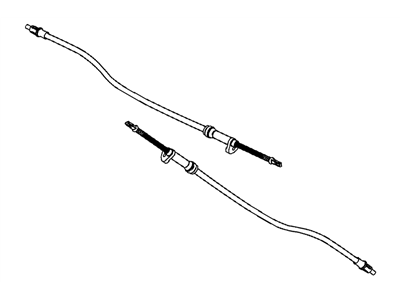
Dodge Charger Rear Cable Part Number: 5290824AB
$41.78 MSRP: $61.17You Save: $19.39 (32%)Ships in 1-2 Business Days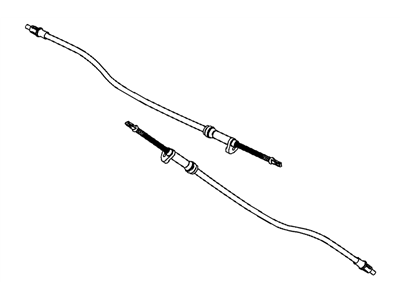
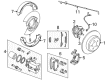
Dodge Charger Rear Cable Part Number: 4779973AD
$69.41 MSRP: $105.00You Save: $35.59 (34%)Dodge Charger Rear Cable Part Number: 68066095AE
$41.68 MSRP: $62.05You Save: $20.37 (33%)Dodge Charger Rear Cable Part Number: 4779322AH
$43.26 MSRP: $64.40You Save: $21.14 (33%)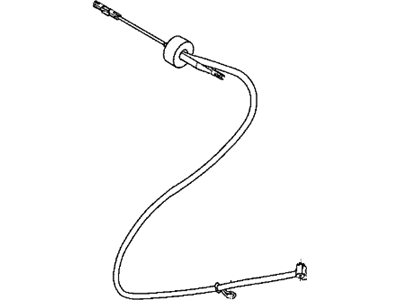

Dodge Charger Front Cable Part Number: 4779239AH
$80.41 MSRP: $93.55You Save: $13.14 (15%)Ships in 1-2 Business Days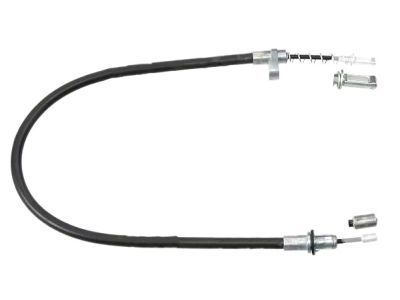
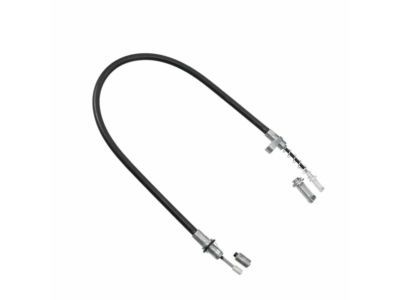
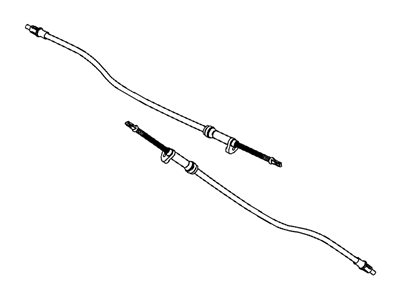
Dodge Charger Front Cable Part Number: 4779592AA
$12.30 MSRP: $17.70You Save: $5.40 (31%)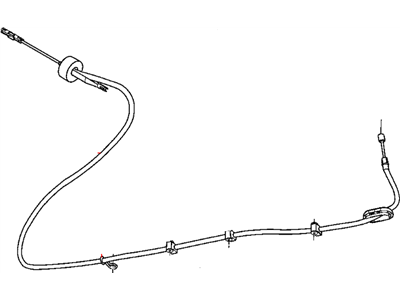
Dodge Charger Front Cable Part Number: 4779589AH
$64.98 MSRP: $95.85You Save: $30.87 (33%)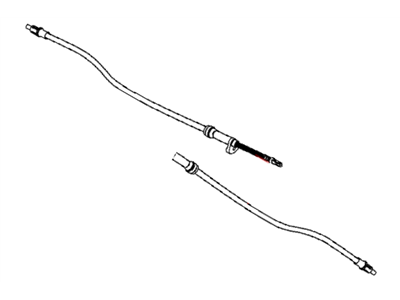
Dodge Charger Rear Cable Part Number: 68066189AF
$44.49 MSRP: $64.20You Save: $19.71 (31%)
Dodge Charger Rear Cable Part Number: 4294412
Dodge Charger Rear Cable Part Number: 4294411
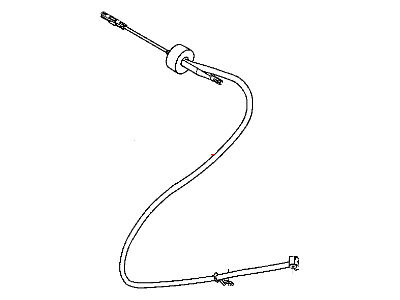
Dodge Charger Front Cable Part Number: 4779544AC
Dodge Charger Parking Brake Cable
Choose OEM Parking Brake Cable that meet Dodge factory standards. Dodge designs and tests every component for precision and durability. Each Parking Brake Cable follows strict manufacturing steps to lock in quality and fit. If your Dodge Charger matters to you, OEM parts make the smart choice. You'll get the exact look, feel, and performance you expect. Shop genuine Charger parts at the highly competitive prices online. Enjoy a manufacturer's warranty, a hassle-free return policy, and rapid delivery. No more guesswork with off brands. Get genuine parts with exact fit and true factory performance. Shop with confidence today at JeepPartsDeal.com.
Dodge Charger Parking Brake Cable is one of the critical parts which explain reliability and power of the Dodge Charger series. This critical part couples the parking brake right to the car braking system so that the Charger is excellently parked, especially on rising terrains, and also affords an emergency breaking worthy in case of necessity. It is thus an all-around unit, which may be used in any of the Charger models; thus, the Dodge Charger Parking Brake Cable is ideal for any Charger model owner willing to keep their vehicle safe and efficient. Proper working of a parking brake cable eliminates such problems as inability to set the parking brakes tightly, which poses some dangers. It is important to take time and service the Dodge Charger Parking Brake Cable because it is a safety feature found on the car. First of all, the Dodge Parking Brake Cable is functional as it meets the daily driving challenge; it is made of quality material that makes it long-lasting. This makes it to fit well in the automotive market since it meets and in most cases surpasses automotive standards. Hailed for improving not only the car's efficiency but also the safety in equal measure, the Dodge Parking Brake Cable is a great representation of what the Charger has to offer in terms of technology and reliability so that the driver can cruise the streets in their powerful machine feeling completely safe and confident.
Dodge Charger Parking Brake Cable Parts and Q&A
- Q:How to Service and Repair a Rear Parking Brake Cable on Dodge Charger?A:First, support the vehicle with it raised, so that you don't have to lock out the parking brake lever, since the cable is not tight enough. For the left rear parking brake cable, pull the cable out at the equalizer above the back axle differential and crossmember; for the right rear pilot brake cable, disconnect it at the connector above the back axle differential and crossmember. Next, open up the parking brake on that side and slide off the shoe while you detach the lever from its end and keep it in place. Untighten the screw around the cable that is fastened to the knuckle, then take the cable out through the routing guide and knuckle. With a 13 mm 12-point box wrench, push it onto the retainer on the crossmember bracket, turn it until the fingers collapse, pull out the cable and remove it from the vehicle. Start installation by pushing the rear parking brake cable's leading end into the cable guide on the crossmember, then direct it to the crossmember bracket near the equalizer and secure it by fitting the cable holder into that bracket. Tuck the other end of the cable into the rear knuckle and then tighten the mounting screw to 8 Nm (71 inch lbs.). Combine the actuator lever to the finish of the parking brake cable, indicating UP is placed outside and carry on to install all other vital parts near the Parking Brake Shoes. Fasten the rear parking brake cable to the equalizer/front cable, making sure the left or right connections are correct. Drop the vehicle until the back tires are touching the floor, use the parking brake pedal, release it and push down again. When the lever is applied, the rear wheels should not turn and when you release the lever, wheels should move quickly without much resistance. Unless there is no need to, you should adjust the parking brake shoes before dropping the car.
- Q:How is the Parking Brake Cable Installed for the Rear on Dodge Charger?A:Bring the rear parking brake cable lead directly up the guide in the crossmember and then through the hole in the bracket near the equalizer, pressing in the cable housing retainer to secure it. Insert the direction of the cable you grabbed with in the previously recorded series from the front to the rear knuckle and then put in the mounting screw, tightening it to 8 Nm (71 in. lbs) torque. Bolt the shoe actuator lever to the top end of the parking brake cable, so that the word "UP" is visible, then assemble the Parking Brake Shoes and any components needed for access. There is no reason to engage the parking brake when servicing the components, since its travel is great and the spring tension is low. Connect the rear parking brake cable at the equalizer/front cable, connect the left rear cable at the equalizer just above the rear axle differential and Rear Crossmember or connect the right rear cable at the connector above the rear axle differential and rear crossmember. Drop the vehicle to the point where you see the rear tires just higher than the ground, press the parking brake lever, release it and repeat this for at least two more times. Ensure the rear wheels do not move when you apply the lever, take your hand off it and check that they do not have too much friction. Replace the parking brake shoes if needed and drive your vehicle to the ground.
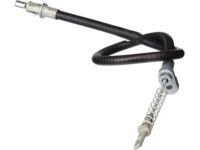
Related Dodge Charger Parts
 Dodge Charger Brake Pads
 Dodge Charger ABS Pump And Motor Assembly
 Dodge Charger Backing Plate
 Dodge Charger Brake Bleeder Screw
 Dodge Charger Brake Caliper Bracket
 Dodge Charger Brake Controller
 Dodge Charger Brake Fluid Level Sensor
 Dodge Charger Brake Line
 Dodge Charger Brake Shoe Set
 Dodge Charger Parking Brake Shoes
 Dodge Charger Wheel Cylinder
 Dodge Charger Wheel Stud