JeepParts
My Garage
My Account
Cart
OEM Dodge Intrepid Fuel Line Clamps
Fuel Tank Filler Clamp- Select Vehicle by Model
- Select Vehicle by VIN
Select Vehicle by Model
orMake
Model
Year
Select Vehicle by VIN
For the most accurate results, select vehicle by your VIN (Vehicle Identification Number).
2 Fuel Line Clamps found
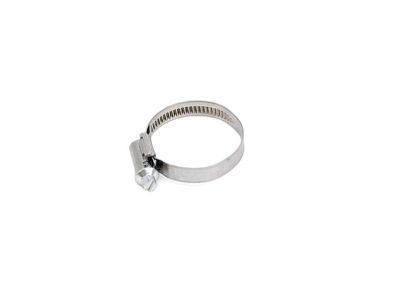
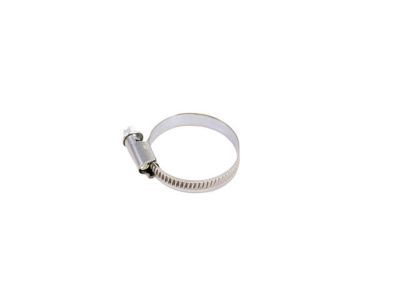

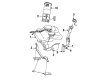
Dodge Intrepid Filler Tube Clamp, Upper Part Number: 6502089
$5.16 MSRP: $7.50You Save: $2.34 (32%)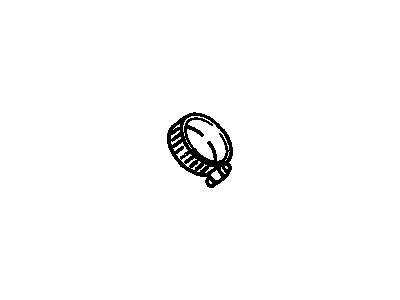
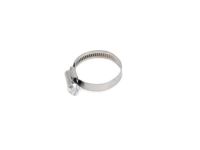
Dodge Intrepid Hose Clamp Part Number: 6502091
Dodge Intrepid Fuel Line Clamps
Choose OEM Fuel Line Clamps that meet Dodge factory standards. Dodge designs and tests every component for precision and durability. Each Fuel Line Clamps follows strict manufacturing steps to lock in quality and fit. If your Dodge Intrepid matters to you, OEM parts make the smart choice. You'll get the exact look, feel, and performance you expect. Shop genuine Intrepid parts at the highly competitive prices online. Enjoy a manufacturer's warranty, a hassle-free return policy, and rapid delivery. No more guesswork with off brands. Get genuine parts with exact fit and true factory performance. Shop with confidence today at JeepPartsDeal.com.
Dodge Intrepid Fuel Line Clamps Parts and Q&A
- Q:How should you inspect and maintain fuel line clamps and hose connections to prevent leaks and ensure safety on Dodge Intrepid?A:Examine all hose connections, including clamps and quick connect fittings, for completeness and leaks. Replace any cracked, scuffed, or swelled hoses, as well as those that rub against other vehicle components or show chafing or other damage. During replacement, always use hoses marked EFM/EFI for fuel injected vehicles. Make sure hoses are routed for no contact with anything which might cause a failure, for instance, no contact with clamps or components which might cause abrasions or scuffing. Likewise, proper routing for rubber hoses is necessary to avoid heat sources. Use original equipment clamps or equivalent with rolled edges to protect the hose from cutting. Tighten clamps to 1 Nm (10 in. lbs.) torque. Examine all hose connections for security and leaks, including clamps, couplings, and fittings. If any connection shows signs of damage or deterioration that could lead to a leak or failure, replace the part. Any plastic fuel line/tube should not be attempted to be repaired, but be replaced as necessary. Furthermore, ensure plastic fuel lines/tubes are routed correctly to prevent pinching and away from heat sources.
Related Dodge Intrepid Parts
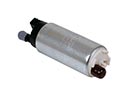 Dodge Intrepid Fuel Pump
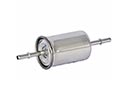 Dodge Intrepid Fuel Filter
 Dodge Intrepid Intake Manifold
 Dodge Intrepid Accelerator Cable
 Dodge Intrepid Air Filter
 Dodge Intrepid Air Intake Coupling
 Dodge Intrepid Air Pump Check Valve
 Dodge Intrepid Diverter Valve
 Dodge Intrepid Fuel Filler Hose
 Dodge Intrepid Fuel Filler Neck
 Dodge Intrepid Fuel Tank
 Dodge Intrepid Throttle Cable