JeepParts
My Garage
My Account
Cart
OEM Dodge Neon Fuel Pressure Regulator
Fuel Tank Pressure Regulator- Select Vehicle by Model
- Select Vehicle by VIN
Select Vehicle by Model
orMake
Model
Year
Select Vehicle by VIN
For the most accurate results, select vehicle by your VIN (Vehicle Identification Number).
1 Fuel Pressure Regulator found
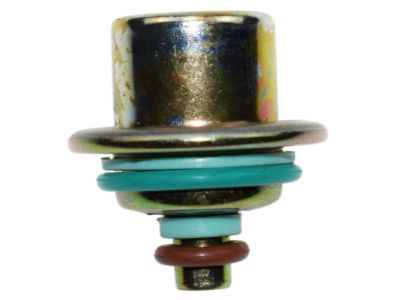
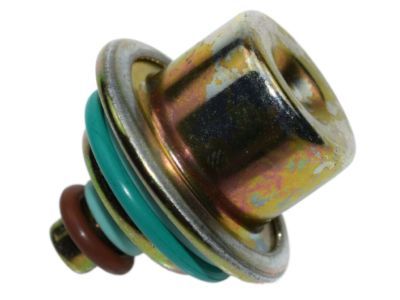
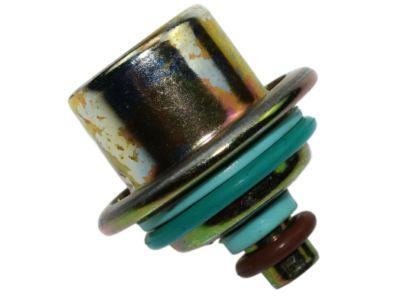
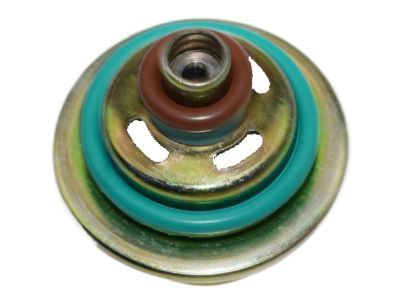
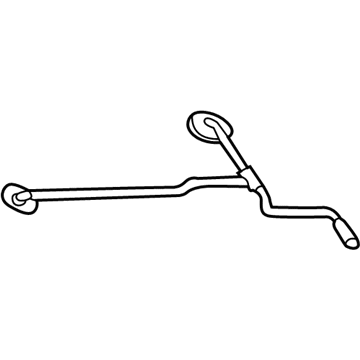
Dodge Neon Fuel Pressure Regulator Part Number: 5003870AA
$140.30 MSRP: $203.62You Save: $63.32 (32%)Ships in 1-2 Business Days
Dodge Neon Fuel Pressure Regulator
Choose OEM Fuel Pressure Regulator that meet Dodge factory standards. Dodge designs and tests every component for precision and durability. Each Fuel Pressure Regulator follows strict manufacturing steps to lock in quality and fit. If your Dodge Neon matters to you, OEM parts make the smart choice. You'll get the exact look, feel, and performance you expect. Shop genuine Neon parts at the highly competitive prices online. Enjoy a manufacturer's warranty, a hassle-free return policy, and rapid delivery. No more guesswork with off brands. Get genuine parts with exact fit and true factory performance. Shop with confidence today at JeepPartsDeal.com.
Dodge Neon Fuel Pressure Regulator is a low key but a very important part to ensure that this powerful compact is running. The Dodge Neon was popular with the young drivers due to its punchy 2 liter engine and light weight, and affordable sticker price, that offered young drivers with the exciting performance without costing them a fortune. The Neon has a lot of headroom and comfortable seats inside and the Dodge engineers had to work on the suspension to ensure it turned the corner very fast without compromising on the ride quality, so even a trip to school or work is an adventure. The Dodge Neon is valued by its owners due to its combination of sportiness with easy maintenance, availability of parts and the great fuel economy that helps to stretch weekend. The Fuel Pressure Regulator is located on the fuel rail and is like a traffic cop to the gasoline, whereby the correct amount is passed on to the injectors and the rest goes back to the tank to maintain the throttle response quick and emissions low. Wear on this Fuel Pressure Regulator will create hard starts or rough idle as the mixture will either be rich or lean. Periodical checks of the Fuel Pressure Regulator will allow the Dodge Neon to achieve factory mileage and have the spark plugs last longer. Drivers who have good Fuel Pressure Regulator experience easier acceleration and longer life of the pump. Change it over, depressurize, unscrew the old one, install a new component with a new O-ring, reconnect, prime, look for leaks.