JeepParts
My Garage
My Account
Cart
OEM Dodge Nitro ABS Sensor
ABS Wheel Speed Sensor- Select Vehicle by Model
- Select Vehicle by VIN
Select Vehicle by Model
orMake
Model
Year
Select Vehicle by VIN
For the most accurate results, select vehicle by your VIN (Vehicle Identification Number).
2 ABS Sensors found
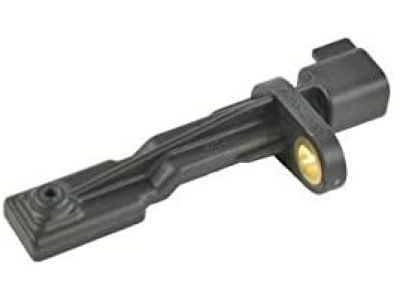
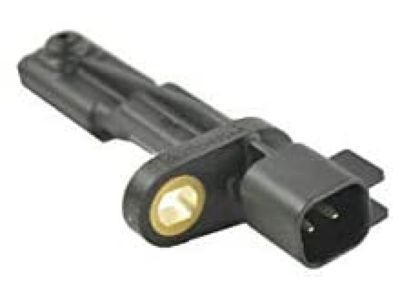
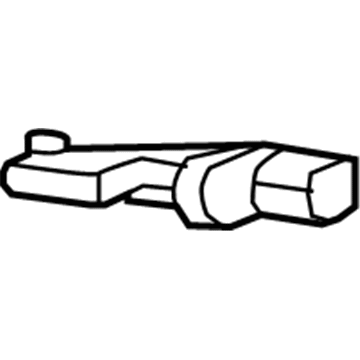
Dodge Nitro Speed Sensor, Rear Part Number: 52125003AD
$85.24 MSRP: $128.00You Save: $42.76 (34%)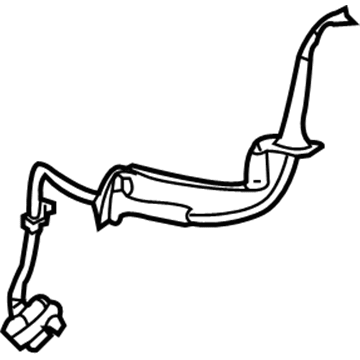
Dodge Nitro ABS Sensor, Front Part Number: 68004019AE
$42.11 MSRP: $60.80You Save: $18.69 (31%)
Dodge Nitro ABS Sensor
Choose OEM ABS Sensor that meet Dodge factory standards. Dodge designs and tests every component for precision and durability. Each ABS Sensor follows strict manufacturing steps to lock in quality and fit. If your Dodge Nitro matters to you, OEM parts make the smart choice. You'll get the exact look, feel, and performance you expect. Shop genuine Nitro parts at the highly competitive prices online. Enjoy a manufacturer's warranty, a hassle-free return policy, and rapid delivery. No more guesswork with off brands. Get genuine parts with exact fit and true factory performance. Shop with confidence today at JeepPartsDeal.com.
Dodge Nitro ABS Sensor delivers precise wheel speed information so the anti-lock system can stop the SUV quickly while keeping steering control. This tiny but tough ABS Sensor constantly reads a toothed ring beside each hub. Then it fires rapid electrical pulses to the brake computer for split-second adjustments, helping every Dodge stay sure-footed on slick pavement or rough trails. Furthermore, Nitro owners appreciate shorter stops and fewer skids. In addition to this important organization, the Dodge Nitro handles muscular styling, a stiff metal structure, the option of four-wheel drive, and two energetic V6 motors that supply 210 or 260 horsepower for confident passing or hill climbs, as well as smooth-use four- or five-speed automatic gearboxes that match throttle depression with crisp shifts. An independent front suspension combines ride comfort with trail toughness, while the solid rear axle hitches heavy loads, and a tow of 5,000 pounds means that campers, boats, or bikes tag along easily. When you enter, you can easily fold the seats down and have plenty of cargo space, making shopping runs easy. All the original equipment manufacturers ensure that year after year, every Dodge performs similarly. This is only possible due to the quality checks that they undergo, which guarantee durability. A common procedure for installation of a new Dodge Nitro ABS Sensor includes raising the vehicle off the ground, removing the wheel, unbolting the old ABS Sensor, plugging and bolting in the new unit, refitting the wheel to the vehicle, and testing the brakes to ensure they operate normally.
Related Dodge Nitro Parts
 Dodge Nitro Brake Caliper
 Dodge Nitro Brake Pads
 Dodge Nitro Speed Sensor
 Dodge Nitro ABS Control Module
 Dodge Nitro ABS Pump And Motor Assembly
 Dodge Nitro Brake Caliper Piston
 Dodge Nitro Brake Caliper Repair Kit
 Dodge Nitro Brake Controller
 Dodge Nitro Brake Dust Shields
 Dodge Nitro Brake Line
 Dodge Nitro Brake Rotor
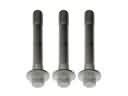 Dodge Nitro Wheel Hub Bolt