JeepParts
My Garage
My Account
Cart
OEM Dodge Ram 2500 Van Starter Motor
Starter Ignition- Select Vehicle by Model
- Select Vehicle by VIN
Select Vehicle by Model
orMake
Model
Year
Select Vehicle by VIN
For the most accurate results, select vehicle by your VIN (Vehicle Identification Number).
1 Starter Motor found
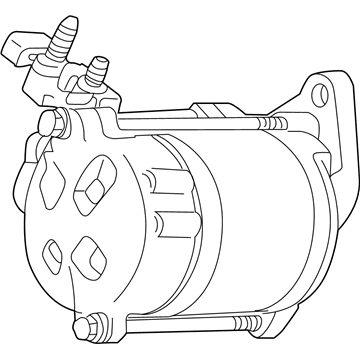
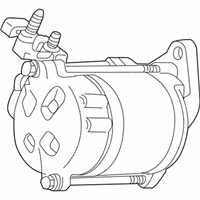
Dodge Ram 2500 Van Starter Part Number: R6027702AC
$188.42 MSRP: $275.00You Save: $86.58 (32%)
Dodge Ram 2500 Van Starter Motor
Choose OEM Starter Motor that meet Dodge factory standards. Dodge designs and tests every component for precision and durability. Each Starter Motor follows strict manufacturing steps to lock in quality and fit. If your Dodge Ram 2500 Van matters to you, OEM parts make the smart choice. You'll get the exact look, feel, and performance you expect. Shop genuine Ram 2500 Van parts at the highly competitive prices online. Enjoy a manufacturer's warranty, a hassle-free return policy, and rapid delivery. No more guesswork with off brands. Get genuine parts with exact fit and true factory performance. Shop with confidence today at JeepPartsDeal.com.
Dodge Ram 2500 Van Starter Motor Parts and Q&A
- Q: How to service and repair the starter motor on Dodge Ram 2500 Van?A:Before servicing or repairing the starter, make sure to cut off power by unplugging and supporting the battery's negative cable and then lift your vehicle. Disconnect the nut and washer that fit the starter motor to the mounting stud on the torque converter housing. Forwardly slide the automatic transmission cooler tube bracket over the studs and out of the way to take out the starter motor mounting flange. Remove the upper mounting screw as you hold and support the starter motor. Place the starter motor in front of the vehicle, but make sure the nose of the starter pinion housing clears the torque converter housing so that the motor stays in place, not hanging from the harness. Angle the nose of the car downwards and pull up the starter motor to gain access to the nut joining the battery post cord connector to the solenoid battery post stud. After removing the nut, pull the connector cowl off. Separate the engine wire harness connector from the solenoid terminal connector receptacle and steer clear of the starter motor from the compartment of the engine. As you start installation, secure the starter motor in its position and reattach the wire harness connector from the engine to the solenoid terminal connector receptacle, making sure all is well supported. Place the positive cable connection piece over the solenoid battery terminal stud and screw on the nut until it reaches 13.6 Nm (120 in. lbs.). Set the starter motor in front of the transmission torque converter housing and loosely attach the upper mounting screw. Rearward slide the bracket bracket for the automatic transmission cooler onto the stud of the lower starter motor mounting point. Apply one lock washer and then loosely tighten the nut that holds the starter motor to the stud on the torque converter housing. Fasten the screw for the upper motor mount to 67.8 Nm (50 ft. lbs.) and apply 67.8 Nm (50 ft. lbs.) of torque to the lower motor mount nut. After that, lower the car and attach the negative cable of the battery.