JeepParts
My Garage
My Account
Cart
OEM Dodge Stealth Hood
Engine Hood- Select Vehicle by Model
- Select Vehicle by VIN
Select Vehicle by Model
orMake
Model
Year
Select Vehicle by VIN
For the most accurate results, select vehicle by your VIN (Vehicle Identification Number).
1 Hood found

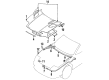
Dodge Stealth Hood Part Number: MB907987
Dodge Stealth Hood
Choose OEM Hood that meet Dodge factory standards. Dodge designs and tests every component for precision and durability. Each Hood follows strict manufacturing steps to lock in quality and fit. If your Dodge Stealth matters to you, OEM parts make the smart choice. You'll get the exact look, feel, and performance you expect. Shop genuine Stealth parts at the highly competitive prices online. Enjoy a manufacturer's warranty, a hassle-free return policy, and rapid delivery. No more guesswork with off brands. Get genuine parts with exact fit and true factory performance. Shop with confidence today at JeepPartsDeal.com.
Dodge Stealth Hood welcomes anyone who looks at it with the promise of power and security and the vehicle itself delivers on this promise with all wheel drive all-grip, a turbocharged 3.0 liter V6 that propels the car forward, a slick shifting manual or smooth automatic transmission and four piston front brakes that stop anything in its path so that drivers can enjoy tight turns and speedy launches without any concern. All Dodge Stealth models feature a chassis that is of rigid design, steering that is of precision in rack and pinion and a DOHC design that synchronizes the valves in line with the substantial power in the rev range and it is a testimony to the fact that Dodge understood how to combine comfort with the real sports car performance. As the car is fun, the Stealth Hood is silent and is doing its job, creating a powerful yet aerodynamic cover around the engine bay to keep out debris and weather and to direct air to cool the engine, and to give the car a sleek appearance, to match the coupe lines. The Hood was made of well-stamped steel and was braced to be in a crash so that the occupants were safe, and the inner structure of the car guided the washer hoses and the other latch hardware, thus keeping the servicing of the car easy. An authentic Dodge replacement panel fits with ease and with proper upkeep the car can still make its owners excited. Installing a new Stealth Hood requires bracing the nose, mounting hinges loosely, fixing the panel centrally, connecting the latch of the lock, binding the hardware, and testing.
Related Dodge Stealth Parts
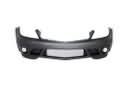 Dodge Stealth Bumper
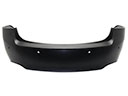 Dodge Stealth Bumper Cover
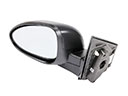 Dodge Stealth Car Mirror
 Dodge Stealth Car Speakers
 Dodge Stealth Door Check
 Dodge Stealth Fender Splash Shield
 Dodge Stealth Hood Hinge
 Dodge Stealth Horn Relay
 Dodge Stealth Window Crank Handle
 Dodge Stealth Windshield Washer Nozzle
 Dodge Stealth Wiper Arm
 Dodge Stealth Wiper Blade