JeepParts
My Garage
My Account
Cart
OEM Dodge Viper Exhaust Valve
Exhaust Muffler Valve- Select Vehicle by Model
- Select Vehicle by VIN
Select Vehicle by Model
orMake
Model
Year
Select Vehicle by VIN
For the most accurate results, select vehicle by your VIN (Vehicle Identification Number).
3 Exhaust Valves found
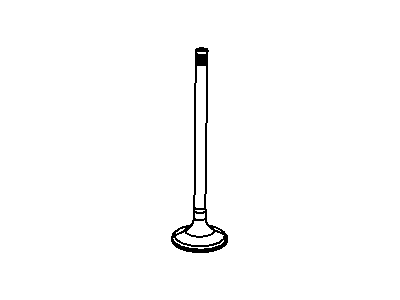
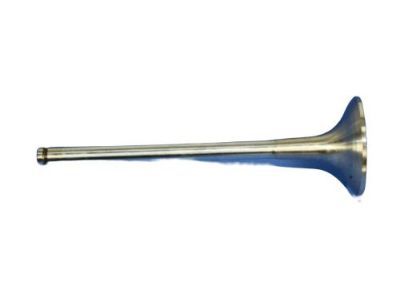
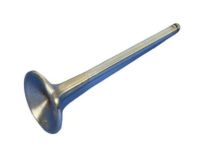
Dodge Viper Exhaust Valve Part Number: 5037719AC
$67.13 MSRP: $81.95You Save: $14.82 (19%)Ships in 1-3 Business Days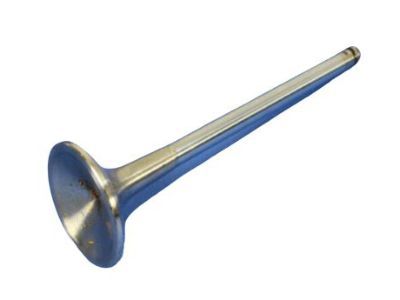
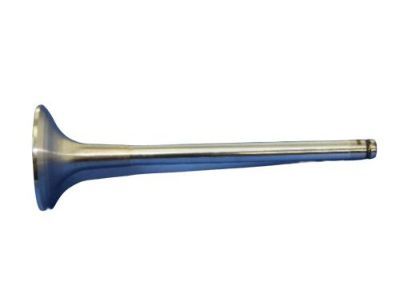
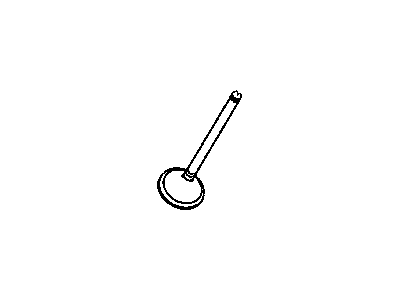
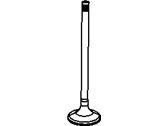
Dodge Viper Exhaust Valve Part Number: 5037890AA

Dodge Viper Valves Part Number: 5245166
Dodge Viper Exhaust Valve
Choose OEM Exhaust Valve that meet Dodge factory standards. Dodge designs and tests every component for precision and durability. Each Exhaust Valve follows strict manufacturing steps to lock in quality and fit. If your Dodge Viper matters to you, OEM parts make the smart choice. You'll get the exact look, feel, and performance you expect. Shop genuine Viper parts at the highly competitive prices online. Enjoy a manufacturer's warranty, a hassle-free return policy, and rapid delivery. No more guesswork with off brands. Get genuine parts with exact fit and true factory performance. Shop with confidence today at JeepPartsDeal.com.
The Exhaust Valve is one such component that proves the fact that this car is very much reliable and is also very powerful just like the brand Dodge Viper. A very important component of any series of Viper Models ranging from the RT/10 to the GTS is the Exhaust Valve, specifically designed to expel burnt exhaust gases efficiently from the cylinders of the Viper engines. The Exhaust Valve is a critical component in the operation of the Dodge Viper as it directly concerns the car's powerful V10 engine and in this way, the reputation of the car. An effectively operating Exhaust Valve helps in avoiding problems like failure to produce a spark, weak power output and so on due to implications on the valve's working. Dodge Viper vehicle, thorough services and checkups on the Exhaust Valve must be done diligently to retain the healthy status of the car. First of all, one should mention that the Exhaust Valve is unique in the automotive market, mainly, because of its highly resistant material and highly accurate engineering criteria that provide the accuracy of usage for a long time. Also, the versatility of the Exhaust Valve affirms that connoisseurs can sustain the purity of their automobiles irrespective of models, especially concerning the Viper versions. In conclusion, the Exhaust Valve is not just an ordinary part; it is an embodiment or otherwise a true gauge of the Dodge Viper's passion for excellence as well as for the valve's ability to provide durability, efficiency, and fast response hence making it an important addition to any Viper.
Dodge Viper Exhaust Valve Parts and Q&A
- Q:How to Service and Repair Exhaust Valve and Intake Valves on Dodge Viper?A:Service and repair of valves should start with inspecting the valve face and seat angles as laid out in the Engine Specifications section of your vehicle's manual. Check what margin you have left after refacing the valves. While refacing a valve seat, always choose the proper valve guide pilot to support the stones correctly for a truly flat and complete surface. Use a dial indicator to ensure that the runout between the valve seat and the cylinder is not more than 0.051 mm (0.002 inch). Lightly paint the valve seat contact with Prussian blue, arrange the valve gasket over it and gently spin the valve until the seat makes contact. A blue transfer in the middle of the valve face means that contacts are working properly. When the damage appears at the top edge, grind up with a 30-degree stone; when it shows at the bottom edge, lower the seat with a 75-degree stone. If worn or burned valve seats are restored and kept to the same angle and width, everything can be rebuilt; however, if not, the whole cylinder head must be changed. With the seat in the right position, each seat should measure 1.02 to 1.52 mm (0.040 to 0.060 inch) across. Before installing the valves, rub the stem of each with engine oil and then insert them into the correct holes in the cylinder head. When the valves or seats have been reground, make sure to measure the valve tip height and the valve spring installed height. Should the valve tip be above 49.53 mm (1 61/64 inch), simply grind it down so it matches the proper size, checking once more from the surface of the cylinder head to the tip of the valve stem. Lift and place valve spring seats over the valve guides and then install new valve stem seals, plus the valve springs and valve retainers. Use your valve spring compressor to compress the valves, set the locks in place and get rid of the tool. If valves and seats are reground, ensure you measure the height of each spring by placing the gauge along the center of the seat and measuring to the underside of the retainer. Should the height be greater than 42.65 mm (1.670 inch), add a 0.794 mm (1/32 inch) spacer to the counter-bore under the valve spring seat to make the spring height range from 41.85 to 43.44 mm (1.648 - 1.710 inch).
- Q:How Do Exhaust Valves and Intake Valves Impact Refacing Procedures and Specifications on Dodge Viper?A:There is a 44.5-45° face angle on the intake and exhaust valves as well as on the valve seats. After replacing the valves, check the safety margin around the valves according to engine guidelines. Using the appropriate size valve guide pilot is necessary during valve seat refacing so the stones reseat properly and provide a true and complete surface. See if the valve seat is concentric by reading the dial indicator, as the maximum for total indicator reading should be 0.051 mm (0.002 in.). Little Prussian blue on the valve seat, seat the valve and rotate it gently; if blue comes to the center of the valve face, the contact is proper. Move the valve to adjust for the blue and whether it moves up or down your seat will be set accordingly with a 30° or 75° stone. When the seat angle and width are okay, problematic valve seats can still be fixed; if not, you need a new cylinder head. The width of each seat should measure 1.02 - 1.52 mm (0.040 - 0.060 in.) when the seat is positioned correctly.
Related Dodge Viper Parts
 Dodge Viper Oil Pan
 Dodge Viper Transmission Mount
 Dodge Viper Crankshaft Thrust Washer
 Dodge Viper Harmonic Balancer
 Dodge Viper Oil Pan Gasket
 Dodge Viper Pushrod
 Dodge Viper Rocker Arm
 Dodge Viper Rocker Arm Pivot
 Dodge Viper Rod Bearing
 Dodge Viper Timing Chain
 Dodge Viper Timing Cover Gasket
 Dodge Viper Valve Cover Gasket