JeepParts
My Garage
My Account
Cart
A/C Condenser, Compressor & Lines
2009 Dodge Charger A/C Compressor, A/C Condenser, A/C Hose
Currently shopping for
2009 Dodge Charger
Change VehicleCategories Close X
Currently selected
A/C & Heating
Other Categories
Air & Fuel Delivery
Belts & Cooling
Body & Hardware
Brakes
Charging & Starting
Driveline & Axles
Electrical
Emission Control & Exhaust
Engine
Headlights & Lighting
Interior & Exterior Trim
Maintenance & Lubrication
Steering
Suspension
Transmission
Categories Close X
How to use OE catalog
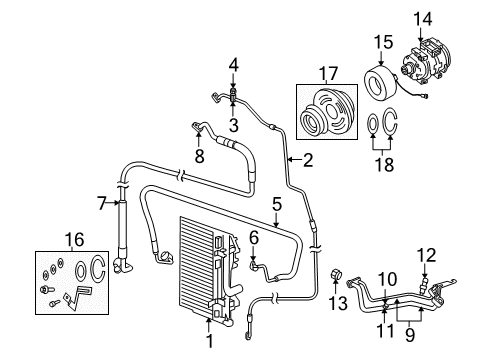
Diagram (1 of 1): Air Conditioner & Heater - Condenser, Compressor & Lines
Sort by:
Ref No.
Ref No.
Part No. & Part Description
Price & Qty.
Part No. &
Part Description
Part Description
- 1
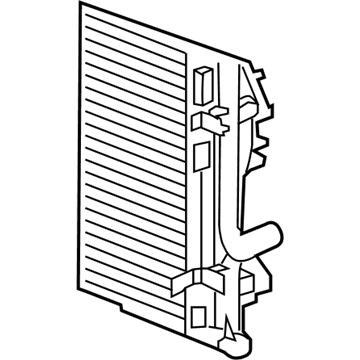 5137693AE
Cooler - Condenser And Transmission CoolerCondenser Assembly- Part Notes: With Severe Duty;Without Severe Duty
MSRP: $539.00 Your Price: $369.84 - 1
- 2
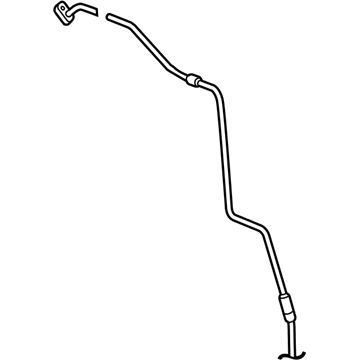 MSRP: $126.00 Your Price: $82.341
- 3
 MSRP: $25.60 Your Price: $17.271
- 4

- 5
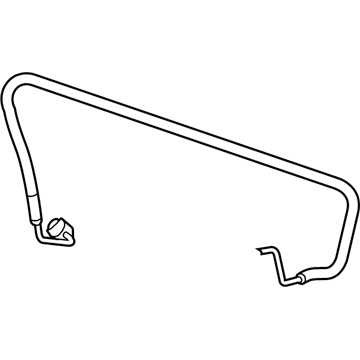 MSRP: $88.63 Your Price: $57.421
 - 5MSRP: $78.45 Your Price: $54.091
- 5MSRP: $113.00 Your Price: $84.251
- 6

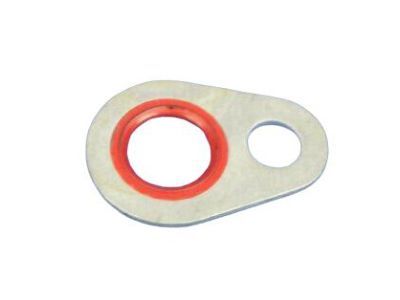
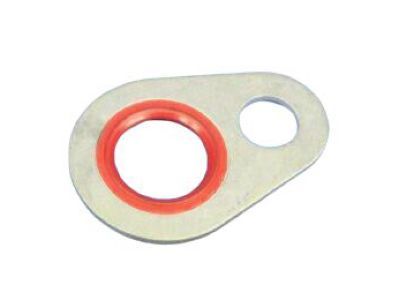
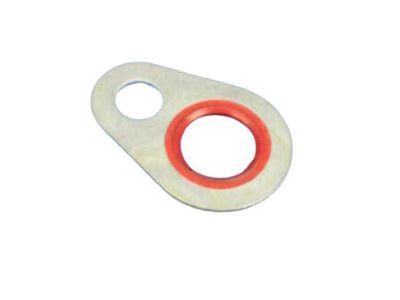
- 7
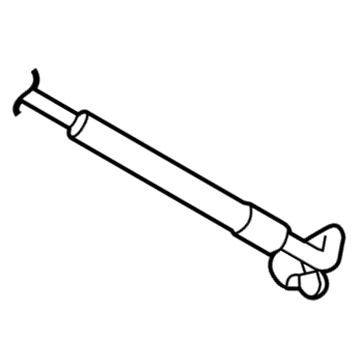 MSRP: $57.25 Your Price: $39.85
 - 7
- 7MSRP: $196.00 Your Price: $131.391
- 9
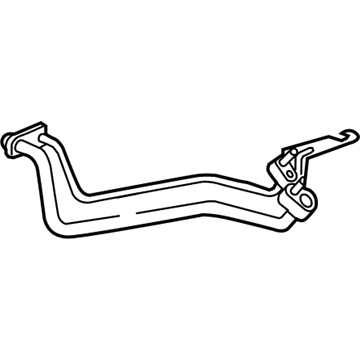
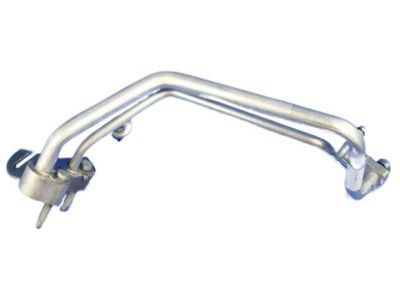
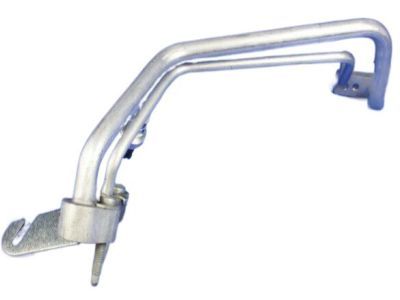
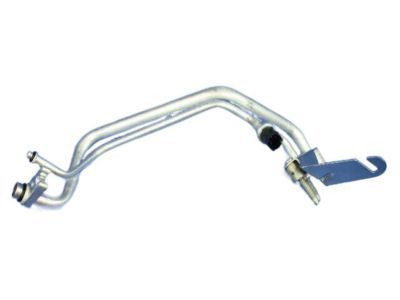 MSRP: $359.00 Your Price: $235.371
- 10

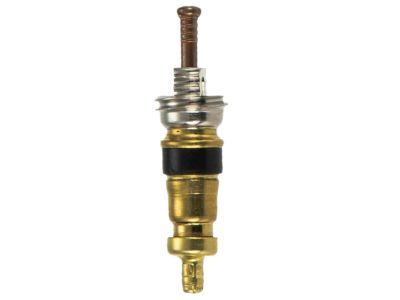
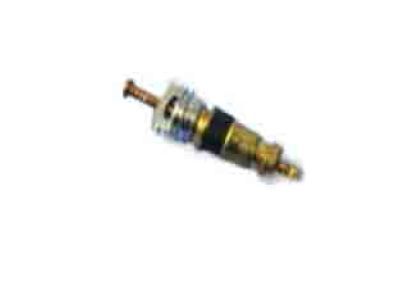 MSRP: $32.60 Your Price: $22.121
- 12

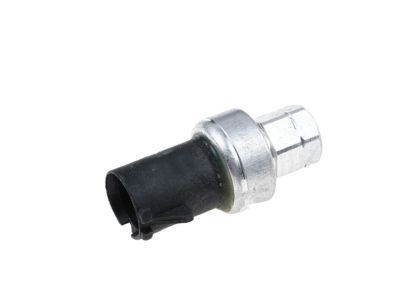
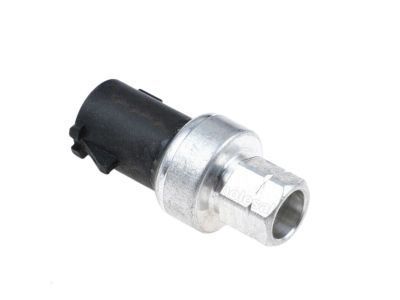
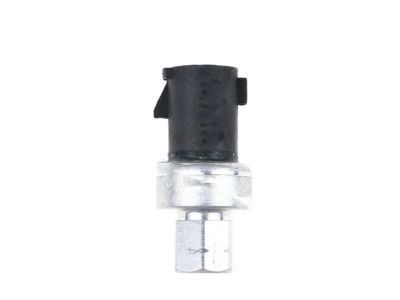
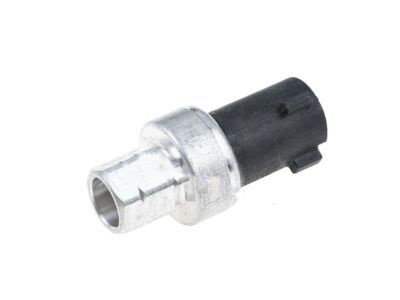 MSRP: $190.00 Your Price: $128.021
- 13

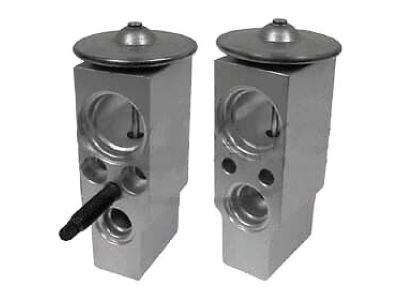 MSRP: $176.00 Your Price: $118.97
- 14
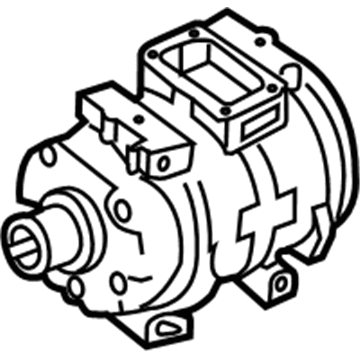 MSRP: $819.00 Your Price: $543.611
 - 14MSRP: $822.00 Your Price: $565.541
- 14
- 15
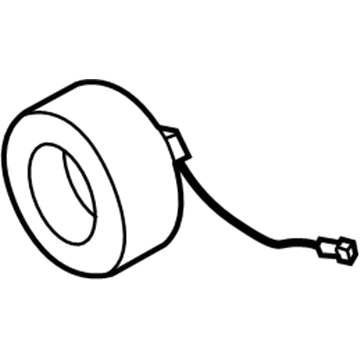
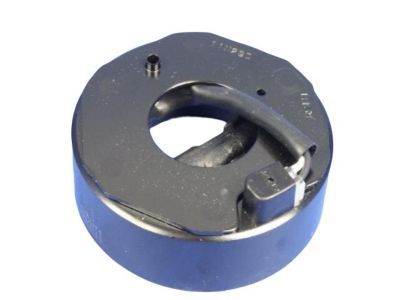
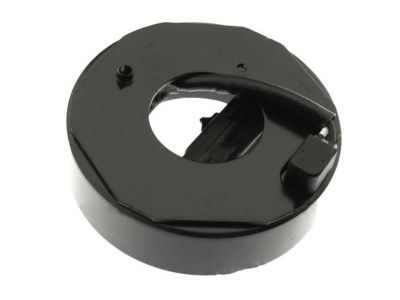 MSRP: $279.00 Your Price: $185.301
- 16
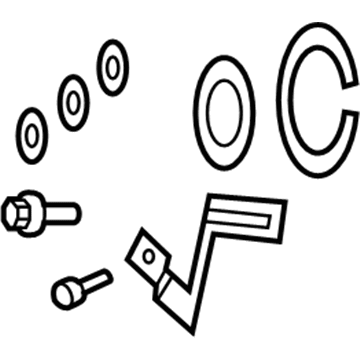
- 16MSRP: $36.75 Your Price: $6.581
- 16MSRP: $63.90 Your Price: $43.491
- 17

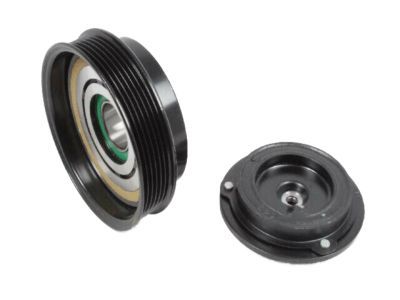
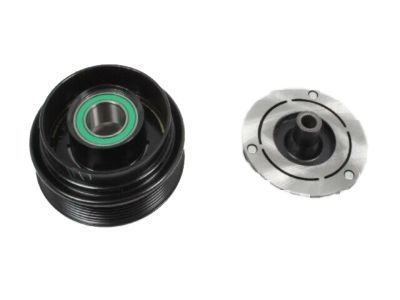
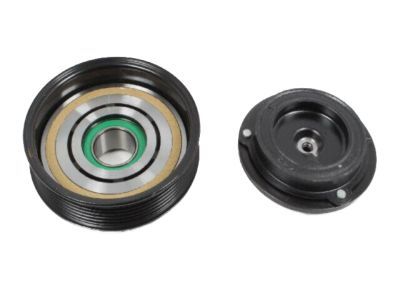
- 17
- 17
- 18
 MSRP: $29.85 Your Price: $20.241

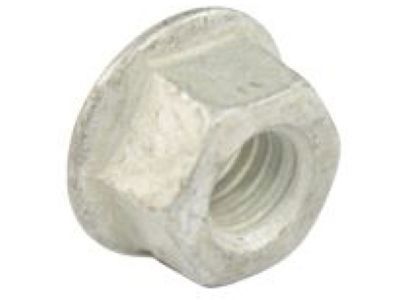
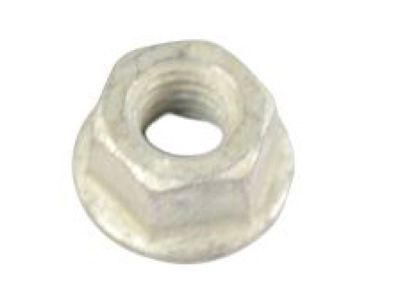
 MSRP: $4.90 Your Price: $3.361

 MSRP: $12.75 Your Price: $8.701
 MSRP: $9.15 Your Price: $6.321
 MSRP: $14.45 Your Price: $10.851
 MSRP: $11.30 Your Price: $7.831
- 4596611AB
LINE A/C Discharge- Fitting Vehicle Options: 48 - SEDAN TYPE #8, D - DODGE, E - DODGE AWD, EZ0
- Replaced By: 4596611AD
MSRP: $88.63 Your Price: $57.42
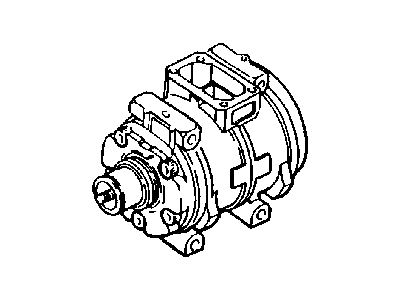 55111418AB
COMPRESSOR Air Conditioning Complete- Fitting Vehicle Options: 48 - SEDAN TYPE #8, D - DODGE, E - DODGE AWD, EG0
- Replaced By: 55111418AC
MSRP: $717.00 Your Price: $162.50
- 4596896AA
LINE A/C Suction- Fitting Vehicle Options: 48 - SEDAN TYPE #8, D - DODGE, E - DODGE AWD, EG0
- Replaced By: 4596896AB
MSRP: $187.00 Your Price: $124.65
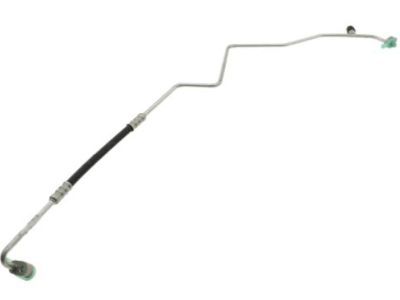 4596889AB
LINE A/C Liquid- Fitting Vehicle Options: 48 - SEDAN TYPE #8, D - DODGE, E - DODGE AWD, EE0, EG0, ES0, EZ0
- Replaced By: 4596889AC
MSRP: $126.00 Your Price: $82.34
- 4596892AA
LINE A/C Discharge- Fitting Vehicle Options: 48 - SEDAN TYPE #8, D - DODGE, E - DODGE AWD, EG0
- Replaced By: 4596892AC
MSRP: $79.03 Your Price: $53.07
- 4596893AA
LINE A/C Discharge- Fitting Vehicle Options: 48 - SEDAN TYPE #8, D - DODGE, E - DODGE AWD, ES0
- Replaced By: 4596893AB
MSRP: $113.00 Your Price: $74.26
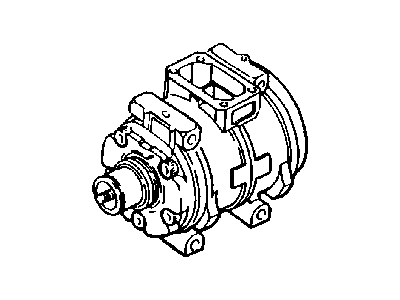
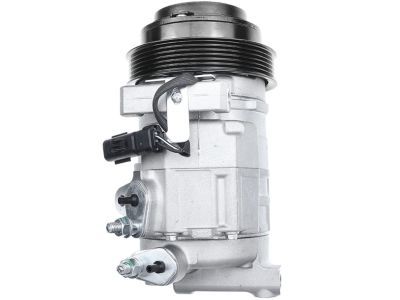
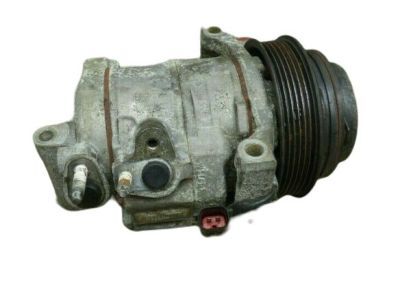
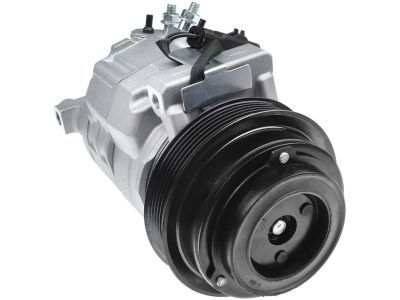
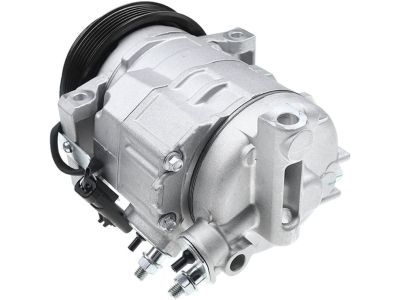 55111096AB
COMPRESSOR Air Conditioning Complete- Fitting Vehicle Options: 48 - SEDAN TYPE #8, D - DODGE, E - DODGE AWD, EZ0
- Replaced By: 55111096AC
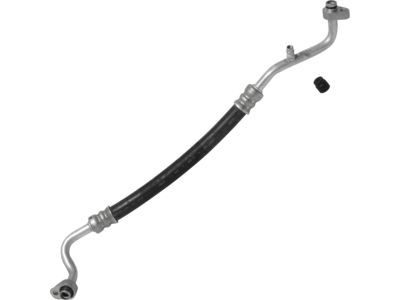 4596897AA
LINE A/C Suction- Fitting Vehicle Options: 48 - SEDAN TYPE #8, D - DODGE, E - DODGE AWD, ES0
- Replaced By: 4596897AB
MSRP: $196.00 Your Price: $131.39
- 4596891AA
LINE A/C Discharge- Fitting Vehicle Options: 48 - SEDAN TYPE #8, D - DODGE, E - DODGE AWD, EE0
- Replaced By: 4596891AB
MSRP: $78.45 Your Price: $54.52
- 4596492AC
COMPRESSOR Air Conditioning Complete- Fitting Vehicle Options: 48 - SEDAN TYPE #8, D - DODGE, E - DODGE AWD, ES0
- Replaced By: 4596492AE
MSRP: $819.00 Your Price: $543.61
OEM 2009 Dodge Charger Parts for A/C Condenser, Compressor & Lines
Authentic OEM Dodge components offer both excellent performance and a long service life. These genuine 2009 Dodge Charger parts are made of high quality materials to ensure they are as durable and strong as possible. The suitable option for vehicle maintenance, they are easy to install as per the instructions of the factory. To get new OE A/C Condenser, Compressor & Lines parts, select JeepPartsDeal.com. We offer authentic OEM 2009 Dodge Charger A/C Compressor, A/C Condenser, A/C Hose with manufacturer warranties, fair prices, a simple return policy and fast shipping.
A/C Condenser Installation and Repair Tips for 2009 Dodge Charger
- Q:How to Maintain the A/C Condenser to Prevent System Malfunction and Compressor Damage on 2009 Dodge Charger?A:When servicing the A/C system, adjust the refrigerant oil level in order to prevent malfunctions. For a condenser replacement, use 30 milliliters of refrigerant oil. Replace O-ring seals and gaskets to prevent leaks. Install components, connect lines, evacuate the system and charge it checking the level of transmission fluid.