JeepParts
My Garage
My Account
Cart
OEM 2001 Dodge Intrepid Timing Chain
Engine Timing Chain- Select Vehicle by Model
- Select Vehicle by VIN
Select Vehicle by Model
orMake
Model
Year
Select Vehicle by VIN
For the most accurate results, select vehicle by your VIN (Vehicle Identification Number).
2 Timing Chains found
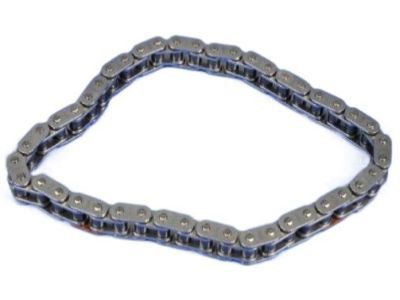
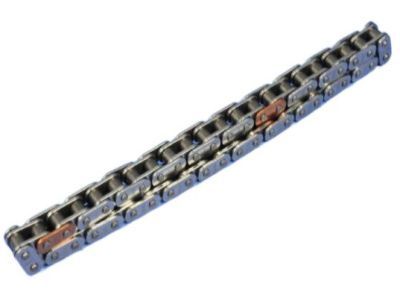
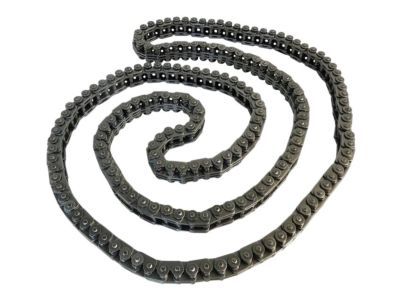
2001 Dodge Intrepid Timing Chain Part Number: 4663674AD
$40.34 MSRP: $57.20You Save: $16.86 (30%)Ships in 1-2 Business DaysProduct Specifications- Other Name: Chain - Timing Secondary; Engine Timing Chain; Chain; Chain Timing Secondary; Chain Timing
- Replaces: 4663674, 4663674AC
- Item Weight: 0.90 Pounds
- Item Dimensions: 9.4 x 5.1 x 1.6 inches
- Condition: New
- Fitment Type: Direct Replacement
- SKU: 4663674AD
- Warranty: This genuine part is guaranteed by Mopar's factory warranty.
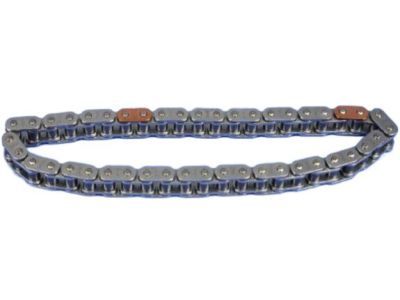
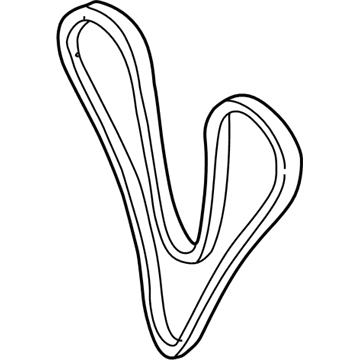
2001 Dodge Intrepid Timing Belt Part Number: 4663635
$141.63 MSRP: $209.00You Save: $67.37 (33%)Product Specifications- Other Name: Chain - Timing; Engine Timing Chain; Timing Chain; Chain Timing
- Item Weight: 4.70 Pounds
- Item Dimensions: 23.0 x 5.3 x 1.6 inches
- Condition: New
- Fitment Type: Direct Replacement
- SKU: 4663635
- Warranty: This genuine part is guaranteed by Mopar's factory warranty.
2001 Dodge Intrepid Timing Chain Parts and Q&A
- Q: How to Remove and Install a Timing Chain on 2001 Dodge Intrepid?A: Before you can take off the timing chain, first take off the upper intake manifold, remove the cylinder head covers, vibration damper and timing chain cover. Rotate the crankshaft and never force the timing marks into place or it could harm your engine's valves or pistons. Line up the crankshaft sprocket timing mark with the oil pump housing mark at 60° ATDC from the #1 cylinder. Before moving the camshaft or crankshaft, make sure the crankshaft position is known if you take out the timing chain with the heads still mounted. Unbolt the tensioner in the right cylinder head, release the camshaft position sensor and remove the chain guide access plug from the left cylinder head. Be careful that the camshafts will move clockwise while removing these bolts. First, loosen and remove the right side camshaft attaching bolts, remove the camshaft damper if you have one and after that, remove the same bolts from the left side. Then, take out the lower chain guide and tensioner arm and afterwards remove the primary timing chain. While you remove the crankshaft sprocket, avoid moving the crankshaft. Attach the crankshaft damper bolt, apply a bit of grease to its head and then use Special Tools 5048-1 and 5048-6, as well as 8539, to get the sprocket out without moving the crankshaft. Prior to installation, check all sprockets and the chain guides for signs of wear and replace any that seem worn. Set up the short chain guides on both sides and fasten them with bolts tightened to 28 Nm (250 in. lbs.). Put the timing mark on the crankshaft sprocket in line with the oil pump housing mark, lubricate the chain and the guides with engine oil and slide the primary chain sprocket over the left side of the chain so the mark is in between the two parallel timing links. Place the left primary chain on the left side sprocket, then set the left camshaft sprocket loosely on its hub. Last, point the timing-plate link at the timing mark on the crankshaft. In position, place the primary chain behind the water pump drive sprocket, line up the camshaft timing mark with the link on the timing plate and softly place it over the camshaft hub. Ensure all the chain timing links fit the marks on the sprockets and after that, install the lower chain guide and tension arm on the left side, tightening the bolts to 28 Nm (250 in. lbs.). Review the oil ring on the access plug for the chain guide and replace it with a new O-ring if you notice anything wrong. Don't forget to tighten the plug to 20 Nm (15 ft. lbs.) after you install it. Drop the check ball end of Special Tool 8186 in the shallow side of the tensioner, then gently press the tensioner until the oil comes out. Operating Special Tool 8186's plunger, press the cylinder down into the deeper part of the tool and hold until reset. Properly reset the tensioner, then fit it into the appropriate head, put on the tensioner retaining plate and tighten the bolts to 12 Nm (105 in. lbs.). Place the camshaft damper on the cylinder bank header, affix the square drive extension to the intake camshaft hub, add a breaker bar and rotate so the camshaft hub aligns with the sprocket and damper holes. Fix the bolts properly and make sure the sprocket is tight by spinning them to 28 Nm (250 in. lbs.). With the left camshaft facing down into the tank, attach its sprocket bolts and tighten them to 28 Nm (250 in. lbs.). If extra slack is found, turn the engine slightly clockwise, use a flat bladed pry tool to trigger the chain tensioner and check that the tensioner is activated. The timing chain cover, crankshaft vibration damper, cylinder head covers, camshaft position sensor and upper intake manifold should be installed next. You might hear some engine noises for 5-10 seconds after you first start the engine after resetting the tensioner. Place Special Tools 6780-1 and 8179 onto the sprocket during installation to prevent crankshaft movement and remember to install the sprocket so that it is 39.05 ± 0.50 mm (1.5374 ± 0.020 inch) into the bottom edge of the crankshaft flange before moving on to the primary timing chain.
Related 2001 Dodge Intrepid Parts
 2001 Dodge Intrepid Oil Filter
 2001 Dodge Intrepid Timing Belt
 2001 Dodge Intrepid Crankshaft Thrust Washer Set
 2001 Dodge Intrepid Cylinder Head
 2001 Dodge Intrepid Cylinder Head Gasket
 2001 Dodge Intrepid Dipstick
 2001 Dodge Intrepid Exhaust Valve
 2001 Dodge Intrepid Piston
 2001 Dodge Intrepid Rocker Arm Pivot
 2001 Dodge Intrepid Rod Bearing
 2001 Dodge Intrepid Timing Belt Tensioner
 2001 Dodge Intrepid Timing Cover