JeepParts
My Garage
My Account
Cart
OEM 2010 Dodge Avenger A/C Hose
Air Conditioning Hose- Select Vehicle by Model
- Select Vehicle by VIN
Select Vehicle by Model
orMake
Model
Year
Select Vehicle by VIN
For the most accurate results, select vehicle by your VIN (Vehicle Identification Number).
7 A/C Hoses found
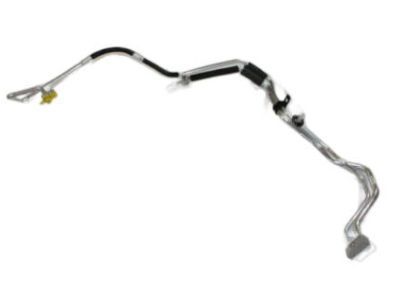
2010 Dodge Avenger Suction Hose Part Number: 5058805AE
$166.55 MSRP: $245.00You Save: $78.45 (33%)Ships in 1-3 Business DaysProduct Specifications- Other Name: Line - A/C Suction And Liquid; A/C Refrigerant Suction Hose; A/C Refrigerant Hose; A/C Refrigerant Liquid Hose; A/C Hose; Liquid Line; Line A/C Suction And Liquid
- Replaces: 5058805AD, 5058805AB, 5058805AC
- Item Weight: 5.00 Pounds
- Item Dimensions: 35.7 x 18.7 x 12.1 inches
- Condition: New
- Fitment Type: Direct Replacement
- SKU: 5058805AE
- Warranty: This genuine part is guaranteed by Mopar's factory warranty.
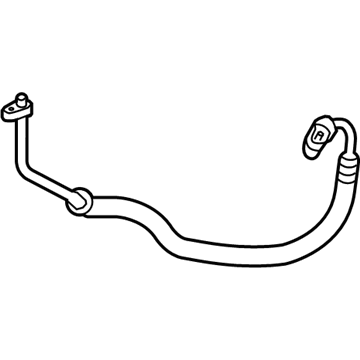
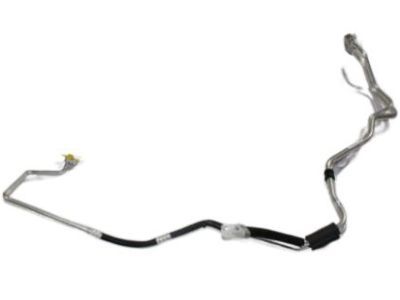
2010 Dodge Avenger Suction Hose Part Number: 68105968AB
$126.69 MSRP: $170.00You Save: $43.31 (26%)Ships in 1-2 Business DaysProduct Specifications- Other Name: Line - A/C Suction; A/C Refrigerant Suction Hose; A/C Refrigerant Hose; A/C Refrigerant Liquid Hose; A/C Hose; Suction Line; Line A/C Suction
- Replaces: 68105968AA, 5058220AD, 5058220AE
- Item Weight: 1.30 Pounds
- Item Dimensions: 27.6 x 9.2 x 1.7 inches
- Condition: New
- Fitment Type: Direct Replacement
- SKU: 68105968AB
- Warranty: This genuine part is guaranteed by Mopar's factory warranty.
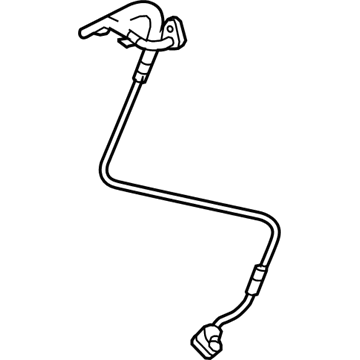
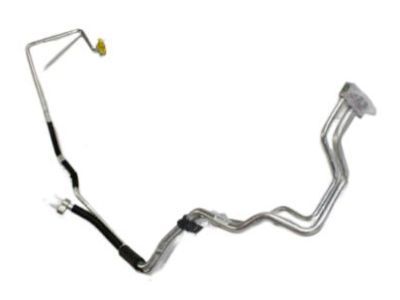
2010 Dodge Avenger Discharge Hose Part Number: 5058796AA
$120.16 MSRP: $180.00You Save: $59.84 (34%)Ships in 1-2 Business DaysProduct Specifications- Other Name: Line - A/C Discharge; A/C Refrigerant Discharge Hose; A/C Refrigerant Hose; A/C Refrigerant Liquid Hose; A/C Hose; Discharge Line; Line A/C Discharge
- Item Weight: 3.60 Pounds
- Item Dimensions: 31.1 x 15.1 x 11.3 inches
- Condition: New
- Fitment Type: Direct Replacement
- SKU: 5058796AA
- Warranty: This genuine part is guaranteed by Mopar's factory warranty.
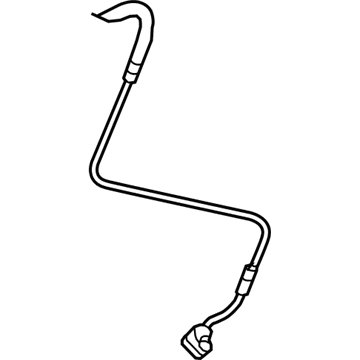
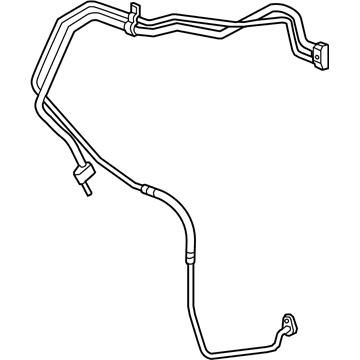
2010 Dodge Avenger Discharge Hose Part Number: 5058216AD
$122.41 MSRP: $184.00You Save: $61.59 (34%)Ships in 1-2 Business DaysProduct Specifications- Other Name: Line - A/C Discharge; A/C Refrigerant Discharge Hose; A/C Refrigerant Hose; A/C Refrigerant Liquid Hose; A/C Hose; Discharge Line
- Replaces: 5058216AB, 5058216AC
- Item Weight: 1.00 Pounds
- Item Dimensions: 21.4 x 5.6 x 4.0 inches
- Condition: New
- Fitment Type: Direct Replacement
- SKU: 5058216AD
- Warranty: This genuine part is guaranteed by Mopar's factory warranty.
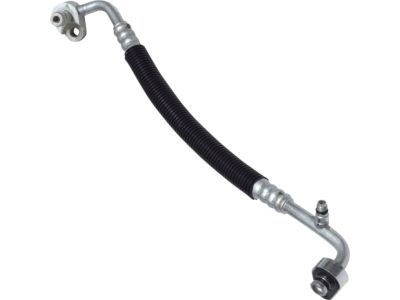
2010 Dodge Avenger Discharge Hose Part Number: 5058797AA
Product Specifications- Other Name: Line - A/C Discharge; A/C Refrigerant Discharge Hose; A/C Refrigerant Hose; A/C Refrigerant Liquid Hose; A/C Hose; Discharge Line; Line A/C Discharge
- Item Weight: 0.90 Pounds
- Item Dimensions: 18.7 x 4.1 x 2.6 inches
- Condition: New
- Fitment Type: Direct Replacement
- SKU: 5058797AA
- Warranty: This genuine part is guaranteed by Mopar's factory warranty.
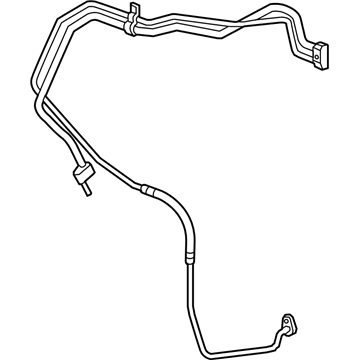
2010 Dodge Avenger Liquid Line Part Number: 5058807AB
Product Specifications- Other Name: Line - A/C Suction And Liquid; A/C Refrigerant Hose; A/C Refrigerant Liquid Hose; A/C Hose
- Condition: New
- Fitment Type: Direct Replacement
- SKU: 5058807AB
- Warranty: This genuine part is guaranteed by Mopar's factory warranty.
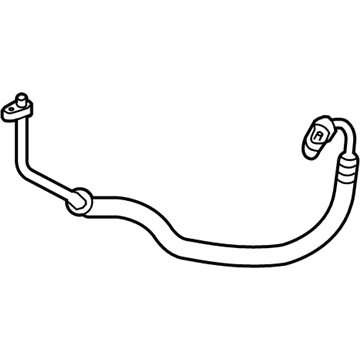
2010 Dodge Avenger Suction Hose Part Number: 5058798AA
Product Specifications- Other Name: Line - A/C Suction; A/C Refrigerant Suction Hose; A/C Refrigerant Hose; A/C Refrigerant Liquid Hose; A/C Hose; Suction Line; Line A/C Suction
- Item Weight: 1.40 Pounds
- Item Dimensions: 11.6 x 3.1 x 1.0 inches
- Condition: New
- Fitment Type: Direct Replacement
- SKU: 5058798AA
- Warranty: This genuine part is guaranteed by Mopar's factory warranty.
2010 Dodge Avenger A/C Hose Parts and Q&A
- Q: How to Install an A/C Hose and Ensure Proper Refrigerant Oil Levels on 2010 Dodge Avenger?A: Before setting up the A/C discharge line, adjust the refrigerant oil so there is no risk of A/C failure or compressor damage. When performing a multi-part A/C repair, look up the amounts of refrigerant oil in the chart available. It is important to fit new O-ring seals and gaskets to refrigerant lines whenever you break the seal, to guarantee there are no leaks. Attach the A/C pressure transducer onto the A/C discharge line and make sure it is secure. Install the A/C discharge line above the car's engine and then remove any tape or caps from the fittings on the discharge and jumper line. Prior to installation, coat a new rubber O-ring seal with clean R-134a oil and place it, together with a fresh gasket, onto the discharge line fitting using the exact recommended parts. Connect the end of the A/C discharge line to the jumper line and join them with a 18 Nm nut. Hook the wire harness to the A/C pressure transducer and move the car to lift points. Open the discharge line fitting and compressor port, lubricate a new O-ring, set it in place with a gasket and reinstall them in these two holes. Hook the A/C discharge line onto the A/C compressor and screw in a nut until it reaches a torque of 20 Nm. Mount the splash shield to the right side frame rail, lower your vehicle and then reattach the negative battery cable. Doing this can easily damage the compressor, so make sure that the vacuum pump or system is switched off before turning on the engine. Pull the refrigerant out of the system, top up the refrigerant oil and put back the correct amount of refrigerant when needed.
Related 2010 Dodge Avenger Parts
 2010 Dodge Avenger Heater Core
 2010 Dodge Avenger Blend Door Actuator
 2010 Dodge Avenger Blower Motor
 2010 Dodge Avenger Blower Motor Resistor
 2010 Dodge Avenger Cabin Air Filter
 2010 Dodge Avenger A/C Condenser
 2010 Dodge Avenger A/C Accumulator
 2010 Dodge Avenger A/C Compressor
 2010 Dodge Avenger A/C Service Cap
 2010 Dodge Avenger A/C System Valve Core
 2010 Dodge Avenger Blower Control Switches
 2010 Dodge Avenger Evaporator