JeepParts
My Garage
My Account
Cart
OEM Chrysler Voyager Brake Shoe Set
Brake Shoe- Select Vehicle by Model
- Select Vehicle by VIN
Select Vehicle by Model
orMake
Model
Year
Select Vehicle by VIN
For the most accurate results, select vehicle by your VIN (Vehicle Identification Number).
3 Brake Shoe Sets found
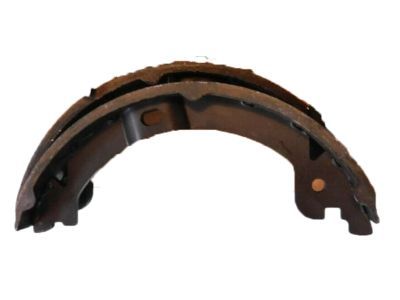
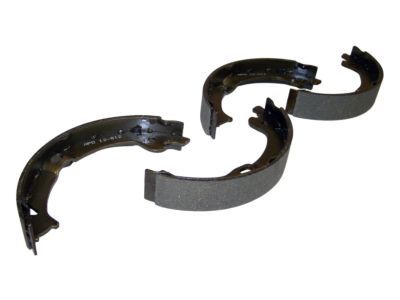
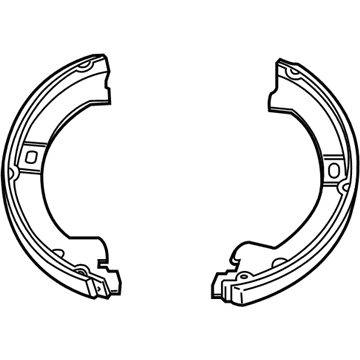
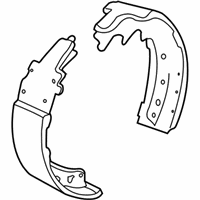
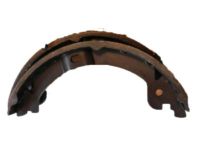
Chrysler Voyager Parking Brake Shoes, Rear Part Number: 5019802AA
$181.52 MSRP: $206.00You Save: $24.48 (12%)Ships in 1-2 Business Days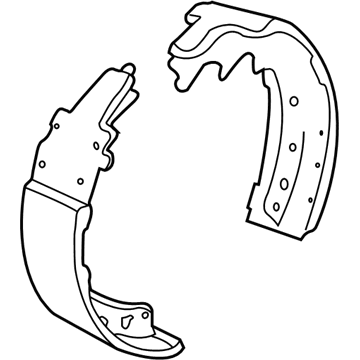

Chrysler Voyager Brake Shoes, Rear Part Number: 4883833AA
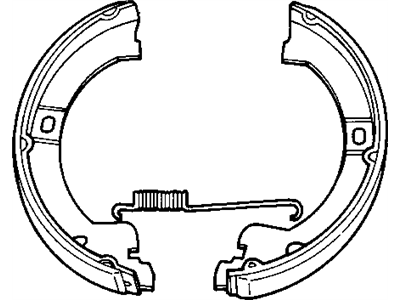
Chrysler Voyager Shoes Part Number: 4882576
Chrysler Voyager Brake Shoe Set
Choose OEM Brake Shoe Set that meet Chrysler factory standards. Chrysler designs and tests every component for precision and durability. Each Brake Shoe Set follows strict manufacturing steps to lock in quality and fit. If your Chrysler Voyager matters to you, OEM parts make the smart choice. You'll get the exact look, feel, and performance you expect. Shop genuine Voyager parts at the highly competitive prices online. Enjoy a manufacturer's warranty, a hassle-free return policy, and rapid delivery. No more guesswork with off brands. Get genuine parts with exact fit and true factory performance. Shop with confidence today at JeepPartsDeal.com.
Chrysler Voyager Brake Shoe Set Parts and Q&A
- Q:How to service and repair the rear Brake Shoe Set on Chrysler Voyager?A:To service and repair the rear drum brake shoes, first raise the vehicle and remove the rear wheel and tire assemblies. Next, take off the rear brake drum to hub retaining clips if equipped, and then remove the rear brake drums. Ensure the park brake pedal is in the released position while creating slack in the rear park brake cables by pulling down and rearward on the exposed section of the front park brake cable, maintaining slack with locking pliers just rearward of the rear body outrigger bracket. Remove the adjustment lever spring from the adjustment lever and front brake shoe, followed by the adjustment lever from the leading brake shoe. Detach the brake shoe to brake shoe lower return springs, the tension clip attaching the upper return spring to the automatic adjuster assembly, and the upper return spring itself. Remove the trailing brake shoe assembly from the brake support plate, park brake actuating lever, and park brake actuating strut, along with the automatic adjuster assembly from the leading brake shoe. Then, remove the leading brake shoe assembly to brake support plate hold down spring and pin, and take off the leading brake shoe from the brake support plate. Transfer the park brake actuator from the leading brake shoe to the replacement brake shoe. For installation, lubricate the eight shoe contact areas on the support plate and anchor using Mopar Brake Lubricant or equivalent. Install the leading brake shoe on the brake support plate, followed by the leading brake shoe hold down spring and pin. Attach the park brake actuator strut and lever to the leading brake shoe, then install the automatic adjuster screw. Position the trailing brake shoe on the park brake actuating lever and strut, and install the brake shoe hold down pin and spring. Attach the brake shoe to brake shoe upper return spring, ensuring the tension clip on the automatic adjuster is located only on the threaded area to maintain its function. Install the brake shoe to brake shoe lower return springs, the automatic adjustment lever on the leading brake shoe, and the actuating spring on the automatic adjustment lever and leading brake shoe assembly. Verify positive contact of the automatic adjuster lever with the star wheel on the automatic adjuster assembly. Once all components are correctly installed, remove the locking pliers from the front park brake cable and adjust the brake shoe assemblies to avoid interference with brake drum installation. Install the rear brake drums on the hubs, adjust the rear brake shoes, and then install the wheel and tire assembly. Tighten the wheel mounting stud nuts in the proper sequence to half specification, then repeat the sequence to the full specified torque of 135 Nm (100 ft. lbs.). Lower the vehicle, push the parking brake lever (pedal) to the floor once and release it to automatically remove slack and correctly adjust the parking brake cables, and finally, conduct a road test of the vehicle, allowing the automatic adjuster to continue brake adjustment during the test.
- Q:How to remove and install a rear drum Brake Shoe Set on Chrysler Voyager?A:To remove the rear drum brake shoes, first raise the vehicle and remove the rear wheel and tire assemblies. Next, take off the rear brake drum to hub retaining clips if equipped, and then remove the rear brake drums. Ensure the park brake pedal is in the released position while creating slack in the park brake cables by pulling down and rearward on the exposed section of the front park brake cable, maintaining slack with locking pliers just rearward of the rear body outrigger bracket. Remove the adjustment lever spring from the adjustment lever and front brake shoe, followed by the adjustment lever from the leading brake shoe. Detach the brake shoe to brake shoe lower return springs, the tension clip attaching the upper return spring to the automatic adjuster assembly, and the upper return spring itself. Remove the trailing brake shoe assembly from the brake support plate, park brake actuating lever, and park brake actuating strut, along with the automatic adjuster assembly from the leading brake shoe. Then, remove the leading brake shoe assembly to brake support plate hold down spring and pin, and take off the leading brake shoe from the brake support plate. Transfer the park brake actuator from the leading brake shoe to the replacement brake shoe. For inspection, remove the tire and wheel assembly, then the rear brake adjusting hole plug from the brake support. Use a thin screwdriver to hold the adjusting lever away from the notches on the adjusting screw star wheel, insert Tool C-3784 into the brake adjusting hole to engage the notches, and release the brake by prying down with the adjusting tool. Remove the rear brake drum and inspect the brake lining for wear, shoe alignment, and contamination. For installation, lubricate the eight shoe contact areas on the support plate and anchor with Mopar Brake Lubricant or equivalent. Install the leading brake shoe on the brake support plate, followed by the hold down spring and pin. Attach the park brake actuator strut and lever to the leading brake shoe, then install the automatic adjuster screw. Position the trailing brake shoe on the park brake actuating lever and strut, and install the hold down pin and spring on the trailing brake shoe. Install the upper return spring and ensure the tension clip on the automatic adjuster is located only on the threaded area. Attach the lower return springs to the brake shoes, install the automatic adjustment lever on the leading brake shoe, and the actuating spring on the lever and leading brake shoe assembly. Verify positive contact of the automatic adjuster lever with the star wheel, then remove the locking pliers from the front park brake cable. Adjust the brake shoe assemblies to avoid interference with drum installation, then install the rear brake drums on the hubs and adjust the rear brake shoes. Reinstall the wheel and tire assembly, tightening the wheel mounting stud nuts in the proper sequence to half specification, then to the full specified torque of 135 Nm (100 ft. lbs.). Lower the vehicle, push the parking brake lever to the floor once and release to automatically remove slack and adjust the parking brake cables, and finally, conduct a road test to allow the automatic adjuster to continue brake adjustment.
Related Chrysler Voyager Parts
 Chrysler Voyager ABS Sensor
 Chrysler Voyager Brake Caliper
 Chrysler Voyager Brake Caliper Piston
 Chrysler Voyager Brake Caliper Repair Kit
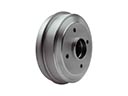 Chrysler Voyager Brake Drum
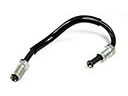 Chrysler Voyager Brake Line
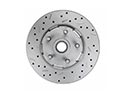 Chrysler Voyager Brake Rotor
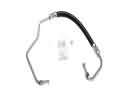 Chrysler Voyager Hydraulic Hose
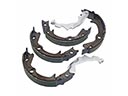 Chrysler Voyager Parking Brake Shoes
 Chrysler Voyager Speed Sensor
 Chrysler Voyager Wheel Cylinder
 Chrysler Voyager Wheel Hub Bolt