JeepParts
My Garage
My Account
Cart
OEM Dodge Journey Coolant Temperature Sensor
Coolant Water Temperature Sensor- Select Vehicle by Model
- Select Vehicle by VIN
Select Vehicle by Model
orMake
Model
Year
Select Vehicle by VIN
For the most accurate results, select vehicle by your VIN (Vehicle Identification Number).
5 Coolant Temperature Sensors found
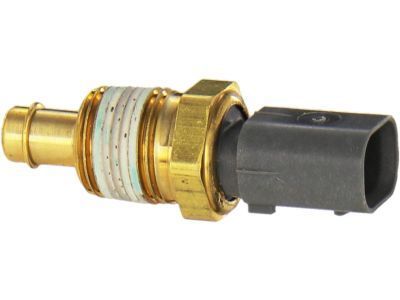
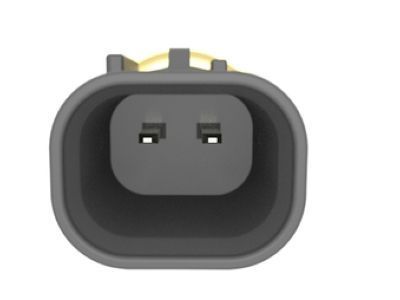
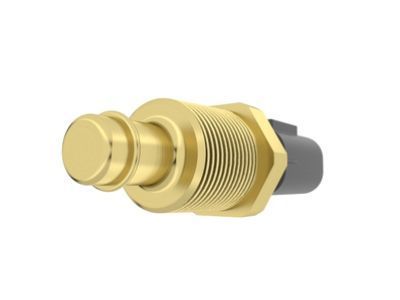
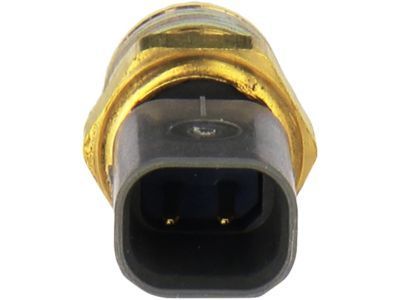

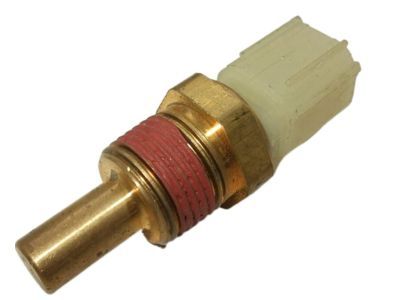
Dodge Journey Coolant Temperature Sensor Part Number: 5149077AB
$47.04 MSRP: $67.60You Save: $20.56 (31%)Ships in 1-2 Business Days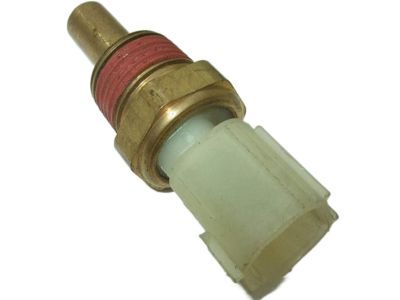
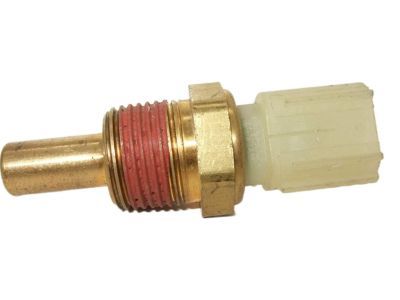
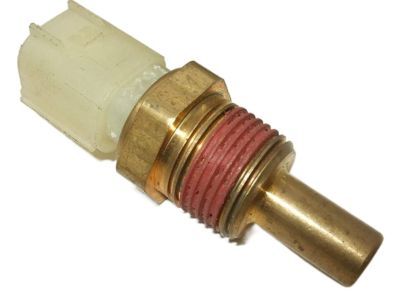

Dodge Journey Coolant Temperature Sensor Part Number: 5033314AA
$24.23 MSRP: $35.70You Save: $11.47 (33%)Ships in 1-2 Business Days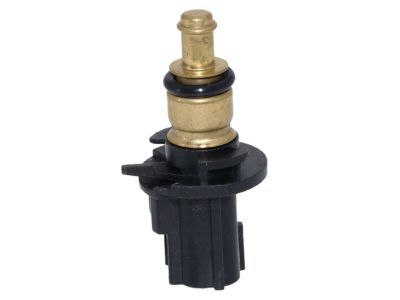
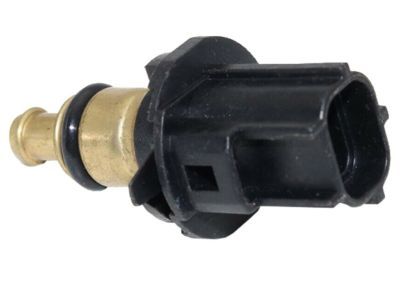
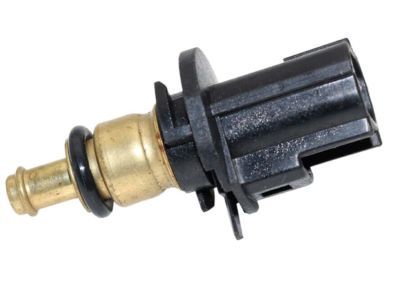
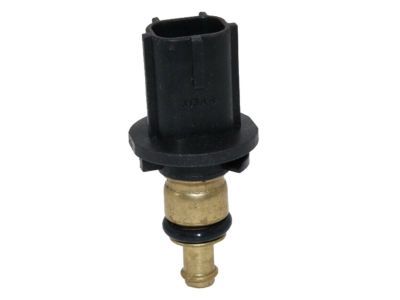
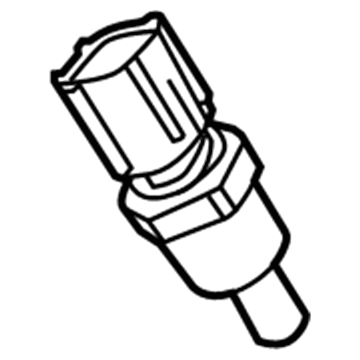
Dodge Journey Coolant Temperature Sensor Part Number: 5033313AA
$30.77 MSRP: $45.60You Save: $14.83 (33%)Ships in 1-2 Business Days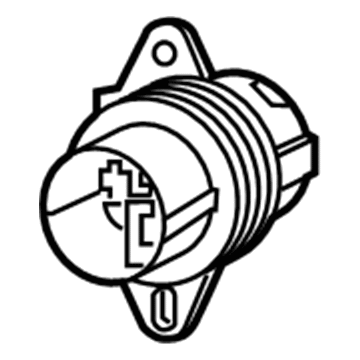
Dodge Journey Temperature Sensor Part Number: 68580838AA
$59.10 MSRP: $88.65You Save: $29.55 (34%)Ships in 1-2 Business Days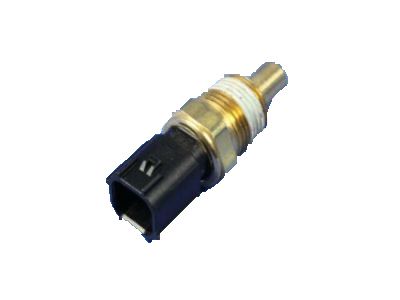
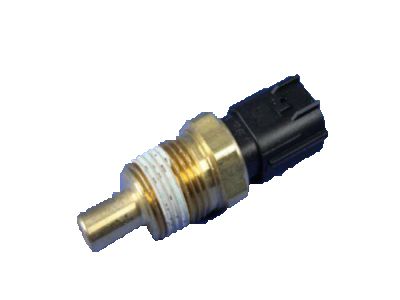
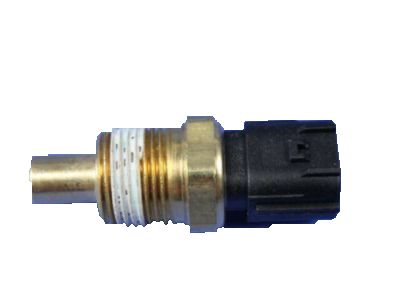

Dodge Journey Coolant Temperature Sensor Part Number: 5269870AB
Dodge Journey Coolant Temperature Sensor
Choose OEM Coolant Temperature Sensor that meet Dodge factory standards. Dodge designs and tests every component for precision and durability. Each Coolant Temperature Sensor follows strict manufacturing steps to lock in quality and fit. If your Dodge Journey matters to you, OEM parts make the smart choice. You'll get the exact look, feel, and performance you expect. Shop genuine Journey parts at the highly competitive prices online. Enjoy a manufacturer's warranty, a hassle-free return policy, and rapid delivery. No more guesswork with off brands. Get genuine parts with exact fit and true factory performance. Shop with confidence today at JeepPartsDeal.com.
Dodge Journey Coolant Temperature Sensor serves to make the successful family crossover stay intelligent and efficient. The Dodge Journey is gaining popularity because of its versatile seven seat offering, fold flat storage, its Uconnect touch screens, which keep the teenagers and parents in touch with one another, and its comfortable ride that is geared towards everyday commuting or weekend outings. The cabin provides keyless enter and go comfort but firm suspension updates post the mid cycle facelift provide the Dodge crossover with sharp steering, and prove that a Journey may actually be fun as well as sensible. As a way of ensuring that energy remains safe, the Journey uses its Coolant Temperature Sensor, a tiny thermistor that monitors coolant heat and sends real-time information to the engine computer. It is a Coolant Temperature Sensor that allows the ECU to adjust the fuel mix, ignition timing, idle speed, and the activation of the electric fan, which protects the engine against harmful overheating and enables the Dodge to achieve high mileage and long life. Since the Coolant Temperature Sensor notifies the dash in case of increase in temperatures, the owners of Journey can take measures early enough rather than incurring expensive maintenance. To change the unit, one needs to park the engine and cool it down, disconnect the battery, relieve pressure by loosening the radiator cap, unscrew the old Coolant Temperature Sensor and replace it with a new one with a new seal, reconnect the wiring, add more coolant to the unit, and then ensure that that the gauge is correct.
Related Dodge Journey Parts
 Dodge Journey Ignition Coil
 Dodge Journey Camshaft Position Sensor
 Dodge Journey MAP Sensor
 Dodge Journey Neutral Safety Switch
 Dodge Journey Automatic Transmission Shift Position Sensor Switch
 Dodge Journey Engine Control Module
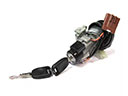 Dodge Journey Igniter
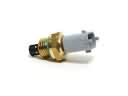 Dodge Journey Intake Manifold Temperature Sensor
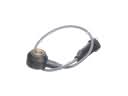 Dodge Journey Knock Sensor
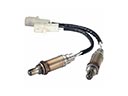 Dodge Journey Oxygen Sensor
 Dodge Journey Spark Plug
 Dodge Journey Temperature Sender