JeepParts
My Garage
My Account
Cart
OEM Dodge Journey Wheel Hub
Wheel Axle Hub- Select Vehicle by Model
- Select Vehicle by VIN
Select Vehicle by Model
orMake
Model
Year
Select Vehicle by VIN
For the most accurate results, select vehicle by your VIN (Vehicle Identification Number).
7 Wheel Hubs found
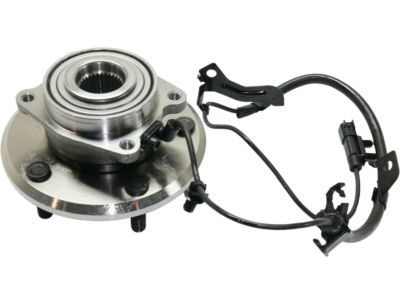
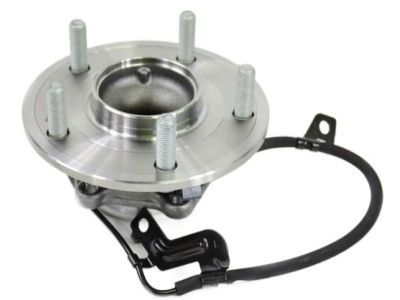
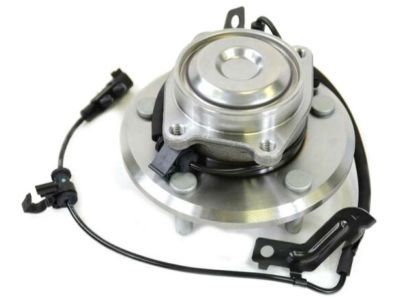
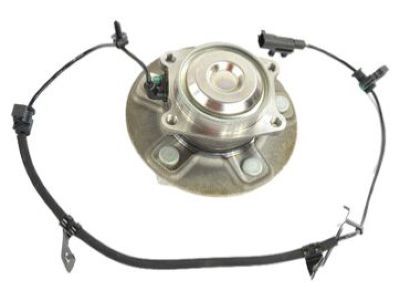
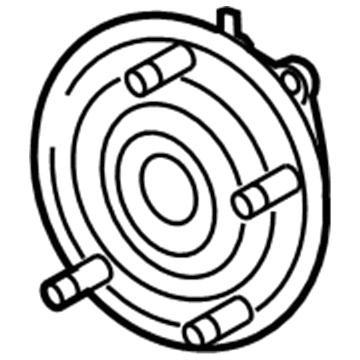
Dodge Journey Hub & Bearing, Rear Driver Side Part Number: 68184743AC
$216.31 MSRP: $328.00You Save: $111.69 (35%)Ships in 1-2 Business Days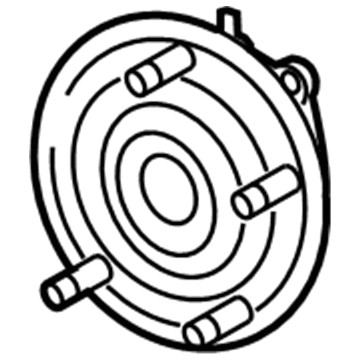
Dodge Journey Hub & Bearing, Rear Driver Side Part Number: 68184744AB
$217.43 MSRP: $330.00You Save: $112.57 (35%)Ships in 1-2 Business DaysDodge Journey Hub & Bearing, Rear Passenger Side Part Number: 68184745AB
$246.42 MSRP: $375.00You Save: $128.58 (35%)Ships in 1-2 Business DaysDodge Journey Hub & Bearing, Rear Passenger Side Part Number: 68184742AC
$304.98 MSRP: $460.00You Save: $155.02 (34%)Ships in 1-2 Business DaysDodge Journey Hub & Bearing, Rear Passenger Side Part Number: 5171124AD
$92.51 MSRP: $137.00You Save: $44.49 (33%)Ships in 1-3 Business DaysDodge Journey Hub & Bearing, Rear Driver Side Part Number: 5171125AD
$107.86 MSRP: $159.00You Save: $51.14 (33%)Ships in 1-3 Business Days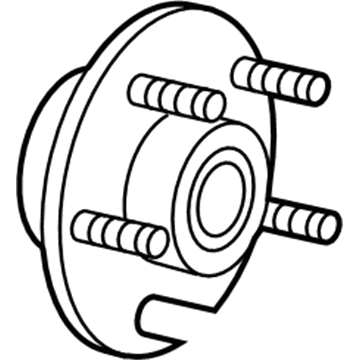
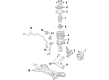
Dodge Journey Hub Assembly, Front Part Number: 68184748AC
$163.91 MSRP: $244.00You Save: $80.09 (33%)Ships in 1-2 Business Days
Dodge Journey Wheel Hub
Choose OEM Wheel Hub that meet Dodge factory standards. Dodge designs and tests every component for precision and durability. Each Wheel Hub follows strict manufacturing steps to lock in quality and fit. If your Dodge Journey matters to you, OEM parts make the smart choice. You'll get the exact look, feel, and performance you expect. Shop genuine Journey parts at the highly competitive prices online. Enjoy a manufacturer's warranty, a hassle-free return policy, and rapid delivery. No more guesswork with off brands. Get genuine parts with exact fit and true factory performance. Shop with confidence today at JeepPartsDeal.com.
Dodge Journey Wheel Hub is a vital part, which in many ways bears a direct correlation on the Dodge Journey vehicles performance and durability. This a major part ensures the wheel is fixed on the vehicle and contains key components such as the wheel bearing, sensors, brake rotor, and brake caliper. Made with high standards in mind, the Dodge Journey Wheel Hub provides safe control of steering and efficient rotation of the wheels, thus increasing the effectiveness of safe operation on the road. This is important because it enables the part to fit different models of Dodge Journey suitable for various use depending on the model of the car. The Wheel Hub Assembly (WHA) for the Dodge Journey facilitates the transmitting of power in a correct manner towards the wheels for proper drive configurations. Today at least 90 millon vehicles are fitted with SKF Wheel hub bearings; the importance of the Dodge Journey Wheel Hub in today's automotive engineering can barely be overestimated - it is one of the crucial elements that ensure the safety and integrity of a modern car. However, what sets the Dodge Journey out is the interior space and protection that comes from safety technologies, backed up strongly by the Wheel Hub. Special features like differing bolt patterns and flange range make the Dodge Journey Wheel Hub unique and stands out from all the other cars in the market; this enables the driver to have a smooth ride without worrying of the car developing a fault. In general, the Dodge Journey Wheel Hub represents the company's effort and desire to provide a high quality and performant product to the market, establishing its place in the automotive world.
Dodge Journey Wheel Hub Parts and Q&A
- Q:How to Install a Wheel Bearing and Wheel Hub on an All-Wheel-Drive on Dodge Journey?A:Make sure the brake shield is set on the knuckle before sliding the rear hub and bearing over the axle half shaft and placing it onto the knuckle. Attach the hub and bearing to the knuckle by using four bolts with a final tightness of 105 Nm or 77 ft. lbs. Be sure the surface on the bearing meant for the sensor is free of dirt before you set the sensor in place. Move the sensor head hole under the brake shield, push the sensor into the hub and bearing mounting hole and line up the mounting screw hole. Put in a new screw and tighten it till you reach 6 Nm (55 in. lbs.). Clean the hub mounting face where the rotor will attach and now mount the Brake Rotor. When changing the brake rotor or pads, Retractor, Special Tool 8807, should be used to push the rear caliper piston back into its bore. First, put on the 3/8 in. ratchet and extension, pass the extension through Special Tool 8807-1, place Special Tool 8807-2 on the end of the extension and fit the lugs into the caliper piston notches. Once the end of the screw drive on 8807-1 gets to 8807-2 against the piston, start turning 8807-2 clockwise with the ratchet until the piston is pushed all the way in. Mount the disc Brake Caliper and its adapter bracket onto the knuckle and rotor, using two bolts and tightening each to 100 Nm (74 ft. lbs.). Make sure to only use a new hub nut, as the original is destructive after use. Clean the outer C/V joint shaft threads, install the washer and hub nut and slightly tighten everything down. The hub must not rotate once the brakes are applied by a helper and the hub nut should then be tightened to 245 Newton-meters or 181 foot-pounds. Drive the cotter pin through both sides of the notched nut and the hole in the half shaft, then tighten the nut until the sides of both notches are evenly spaced. Fit the ends of the cotter pin right against the lock nut. Put on the wheel and tire assembly, tightening the wheel nuts to 135 Nm (100 ft. lbs.), lower the car, pump the brake pedal a few times and on moving, check the brake fluid level.
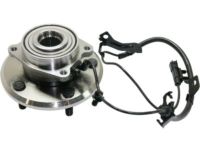
Related Dodge Journey Parts
 Dodge Journey Wheel Bearing
 Dodge Journey Ball Joint
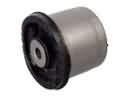 Dodge Journey Axle Beam Mount
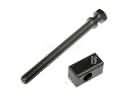 Dodge Journey Belt Tensioner Bolt
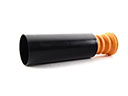 Dodge Journey Bump Stop
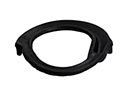 Dodge Journey Coil Spring Insulator
 Dodge Journey Control Arm Bumper
 Dodge Journey Lateral Link
 Dodge Journey Radius Arm
 Dodge Journey Steering Knuckle
 Dodge Journey Strut Bearing
 Dodge Journey Trailing Arm