JeepParts
My Garage
My Account
Cart
OEM Jeep Cherokee Flywheel
Clutch Flywheel- Select Vehicle by Model
- Select Vehicle by VIN
Select Vehicle by Model
orMake
Model
Year
Select Vehicle by VIN
For the most accurate results, select vehicle by your VIN (Vehicle Identification Number).
7 Flywheels found
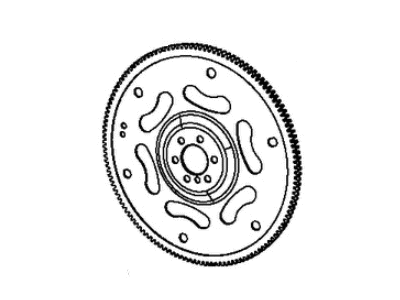
Jeep Cherokee Drive Plate Part Number: 52108837AB
$58.09 MSRP: $87.15You Save: $29.06 (34%)Ships in 1-2 Business Days
Jeep Cherokee Drive Plate Part Number: 52108838AA
$69.91 MSRP: $106.00You Save: $36.09 (35%)Ships in 1-2 Business Days
Jeep Cherokee Drive Plate Part Number: 52108938AA
$41.04 MSRP: $60.30You Save: $19.26 (32%)Ships in 1-2 Business Days
Jeep Cherokee Drive Plate Part Number: 68399636AA
$52.55 MSRP: $77.10You Save: $24.55 (32%)Ships in 1-2 Business Days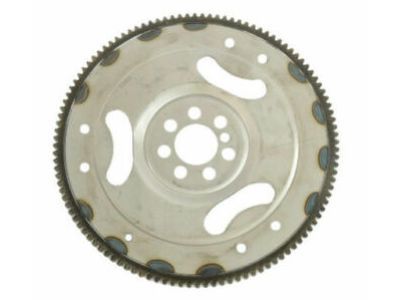
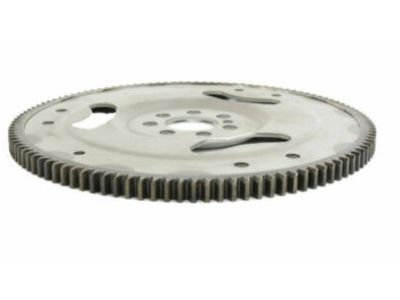
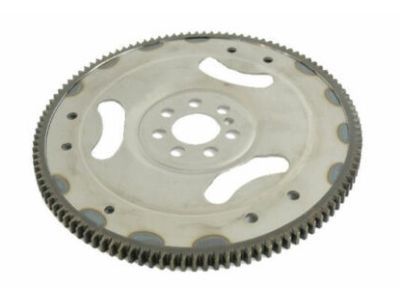
Jeep Cherokee Drive Plate Part Number: 52108810AB
$73.36 MSRP: $110.00You Save: $36.64 (34%)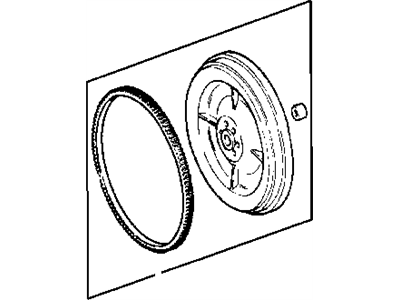
Jeep Cherokee Flywheel Part Number: 53020578
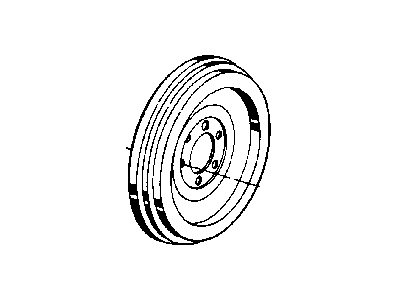
Jeep Cherokee Flywheel Part Number: 53020519AB
Jeep Cherokee Flywheel
Choose OEM Flywheel that meet Jeep factory standards. Jeep designs and tests every component for precision and durability. Each Flywheel follows strict manufacturing steps to lock in quality and fit. If your Jeep Cherokee matters to you, OEM parts make the smart choice. You'll get the exact look, feel, and performance you expect. Shop genuine Cherokee parts at the highly competitive prices online. Enjoy a manufacturer's warranty, a hassle-free return policy, and rapid delivery. No more guesswork with off brands. Get genuine parts with exact fit and true factory performance. Shop with confidence today at JeepPartsDeal.com.
Jeep Cherokee Flywheel Parts and Q&A
- Q:How to Address Worn or Damaged Teeth on a Flywheel on Jeep Cherokee?A:When the teeth of the flywheel are damaged, the entire assembly of the flywheel should be exchanged. A ring gear can be installed instead of a flywheel, provided you use proper steps to protect the engine. Make sure to scribe on the flywheel to mark the place where the old gear was located, as a reference for alignment. Cut nearly all the way through the old part with the abrasive wheel and then remove the rest with a cold chisel or punch. To put the ring gear onto the flywheel, you need to warm it and stretch it because it's a close fit. Prevent damage by carefully heating your replacement gear by placing it in an oven and reaching a temperature of almost 375°F. Do not use an oxy/acetylene torch, as it can cause local heating that results in uneven gear expansion and wears the gear fast. Be sure to put on safety goggles or glasses and heat-protected gloves when you work with a hot ring gear. Always install heaters so they are even to stop anything from becoming misaligned or distorted; use a shop press and the proper press plates for this purpose. With the flywheel installed, lift it to a workbench and let the ring gear fully cool in normal air before you install the flywheel on the engine. Do not cool your new gear with water or blasts of compressed air, as you may break or warp the components.
Related Jeep Cherokee Parts
 Jeep Cherokee Torque Converter
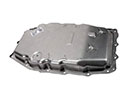 Jeep Cherokee Transmission Pan
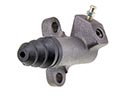 Jeep Cherokee Clutch Slave Cylinder
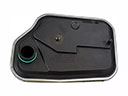 Jeep Cherokee Automatic Transmission Filter
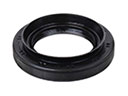 Jeep Cherokee Automatic Transmission Output Shaft Seal
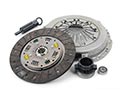 Jeep Cherokee Clutch Disc
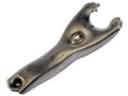 Jeep Cherokee Clutch Fork
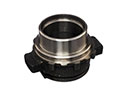 Jeep Cherokee Clutch Release Bearing
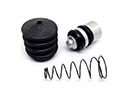 Jeep Cherokee Clutch Slave Repair Kit
 Jeep Cherokee Needle Bearing
 Jeep Cherokee Pressure Plate
 Jeep Cherokee Transmission Assembly