JeepParts
My Garage
My Account
Cart
OEM Jeep Cherokee Fuel Rail
Engine Fuel Rail- Select Vehicle by Model
- Select Vehicle by VIN
Select Vehicle by Model
orMake
Model
Year
Select Vehicle by VIN
For the most accurate results, select vehicle by your VIN (Vehicle Identification Number).
6 Fuel Rails found
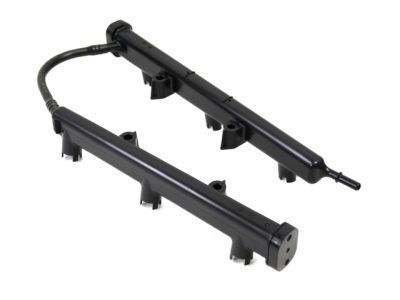
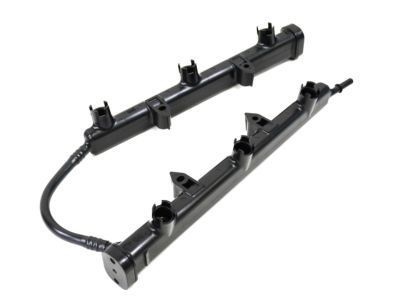
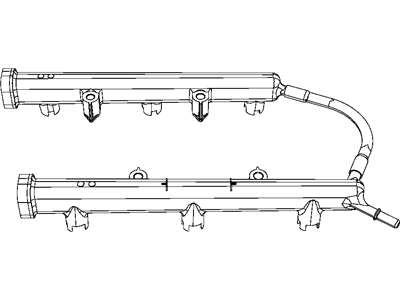
Jeep Cherokee Fuel Rail Part Number: 4593922AA
$376.81 MSRP: $574.00You Save: $197.19 (35%)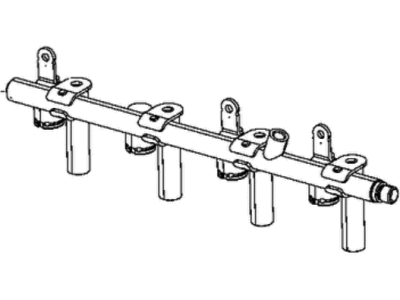
Jeep Cherokee Fuel Rail Part Number: 5281481AB
$337.03 MSRP: $509.00You Save: $171.97 (34%)Ships in 1-2 Business Days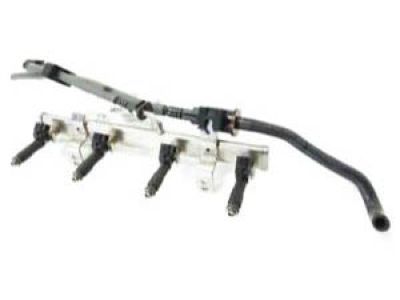
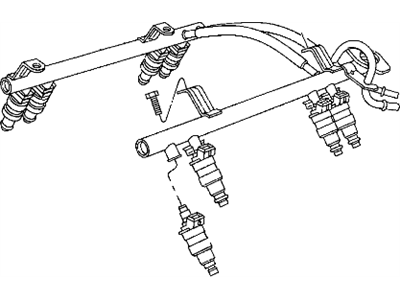
Jeep Cherokee Fuel Rail Part Number: 53013017AB
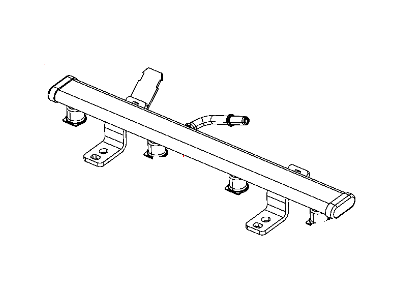
Jeep Cherokee Fuel Rail Part Number: 4593987AC
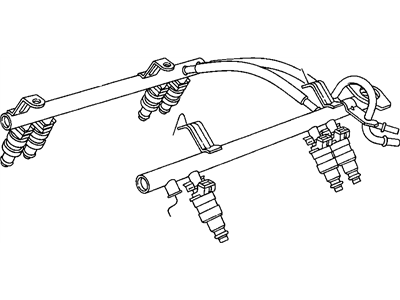
Jeep Cherokee Fuel Rail Part Number: 5014496AE

Jeep Cherokee Fuel Rail Part Number: 53030435
Jeep Cherokee Fuel Rail
Choose OEM Fuel Rail that meet Jeep factory standards. Jeep designs and tests every component for precision and durability. Each Fuel Rail follows strict manufacturing steps to lock in quality and fit. If your Jeep Cherokee matters to you, OEM parts make the smart choice. You'll get the exact look, feel, and performance you expect. Shop genuine Cherokee parts at the highly competitive prices online. Enjoy a manufacturer's warranty, a hassle-free return policy, and rapid delivery. No more guesswork with off brands. Get genuine parts with exact fit and true factory performance. Shop with confidence today at JeepPartsDeal.com.
Jeep Cherokee Fuel Rail Parts and Q&A
- Q:How Crucial Is It to Release Fuel System Pressure Before Servicing the Fuel Rail, and What Are the Necessary Steps on Jeep Cherokee?A:There is no need to service the fuel damper alone and every fuel rail must be drained of fuel pressure before being serviced. First, take the fuel tank filler tube cap off and use the Fuel System Pressure Release Procedure. Free the negative Battery Cable from the battery and remove the air tube on top of the Throttle Body, as some engines will also need you to take out air cleaner ducts at the throttle body. Pushing the red slider forward until it's against the Fuel Injector, releasing the tab and removing the connector should disconnect all of the electrical connectors at the injectors. The fuel injection wiring harness carries labels to mark the correct injector placement. Remove both the fuel supply line latch clip and fuel line from the fuel rail, as well as the cables for the throttle, speed and automatic transmission which should be found at the throttle body. Pull out the Intake Manifold's cable routing bracket and, if you have them, undo the nuts on the injection rail studs to take out the harnesses. Clear away dirt or grime from every fuel injector on the intake manifold, then take out the mounting nuts/bolts and carefully move the fuel rail so that each injector is out of the manifold. While installing, first clean the injectors holes in the intake manifold and then put a bit of clean engine oil on the O-rings of each injector. Wedge each injector into its matching bore in the intake manifold, placing the tips where they are supposed to be. Bolts by placing 22 ± 6 Nm (200 ± 55 in. lbs.) of torque on the fuel rail, attach any fuel system harnesses to the rail and fit all electrical injector connectors securely. Run the fuel line and fuel line latch clip to the fuel rail, attach a protective cover to the pressure test port fitting where applicable and put the cable routing bracket back on the intake manifold. Join the throttle, speed control and automatic transmission cables at the throttle body if appropriate, fit the air tube to the top of the device, screw the fuel tank cap in and lastly, attach the negative battery cable. After the above, turn on the engine and closely inspect for signs of fuel leaks.
Related Jeep Cherokee Parts
 Jeep Cherokee Gas Cap
 Jeep Cherokee Fuel Tank
 Jeep Cherokee Idle Control Valve
 Jeep Cherokee Fuel Pressure Regulator
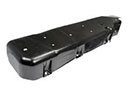 Jeep Cherokee Fuel Tank Skid Plate
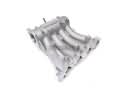 Jeep Cherokee Intake Manifold
 Jeep Cherokee Fuel Injector
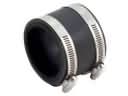 Jeep Cherokee Air Intake Coupling
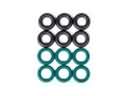 Jeep Cherokee Fuel Injector O-Rings
 Jeep Cherokee Fuel Pump Seal
 Jeep Cherokee Intake Manifold Gasket
 Jeep Cherokee Throttle Body Gasket