JeepParts
My Garage
My Account
Cart
OEM Jeep Cherokee Intake Manifold
Engine Intake Manifold- Select Vehicle by Model
- Select Vehicle by VIN
Select Vehicle by Model
orMake
Model
Year
Select Vehicle by VIN
For the most accurate results, select vehicle by your VIN (Vehicle Identification Number).
9 Intake Manifolds found
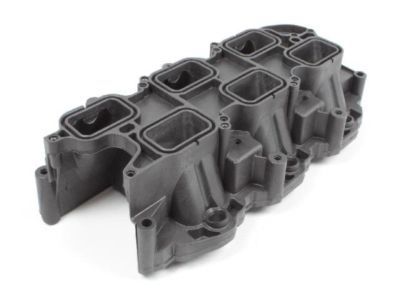
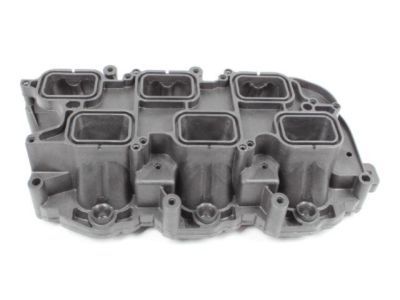
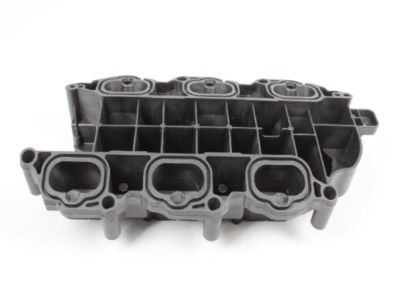
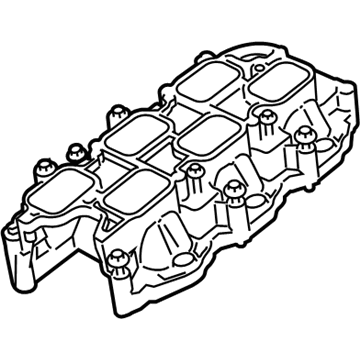
Jeep Cherokee Intake Manifold, Lower Part Number: 5184199AF
$389.30 MSRP: $572.00You Save: $182.70 (32%)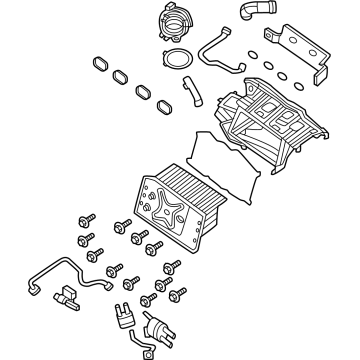
Jeep Cherokee Intake Manifold Part Number: 68605918AA
$807.76 MSRP: $1235.00You Save: $427.24 (35%)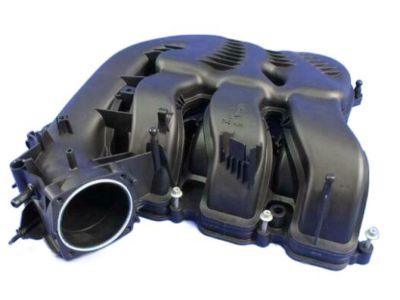
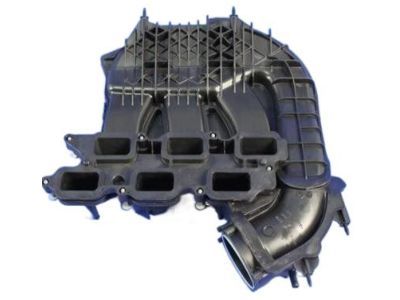
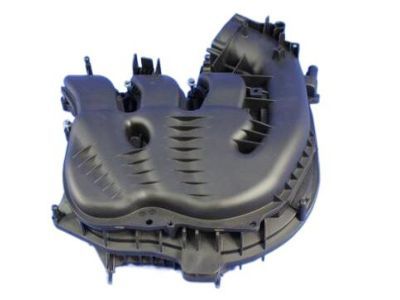
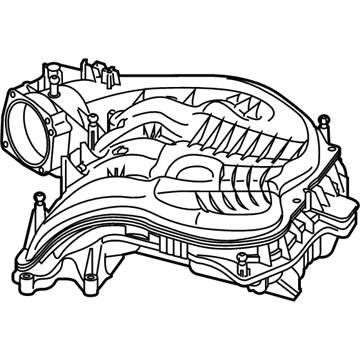
Jeep Cherokee Intake Manifold, Upper Part Number: 68240667AC
$546.17 MSRP: $800.00You Save: $253.83 (32%)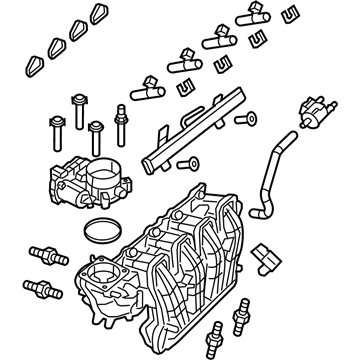
Jeep Cherokee Intake Manifold Part Number: 4627937AJ
$155.22 MSRP: $229.00You Save: $73.78 (33%)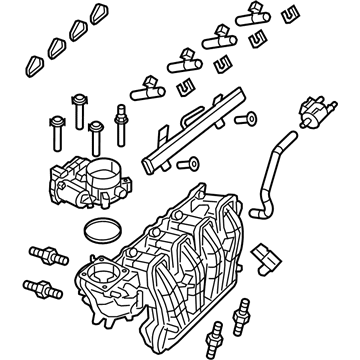
Jeep Cherokee Intake Manifold Part Number: 5281833AA
$425.94 MSRP: $623.00You Save: $197.06 (32%)
Jeep Cherokee Intake Manifold Part Number: 68398635AC
$369.84 MSRP: $539.00You Save: $169.16 (32%)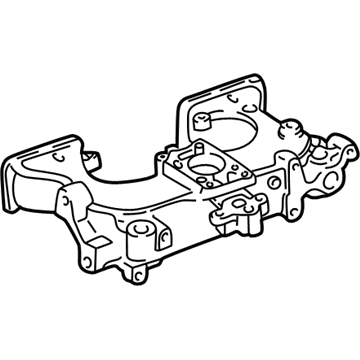

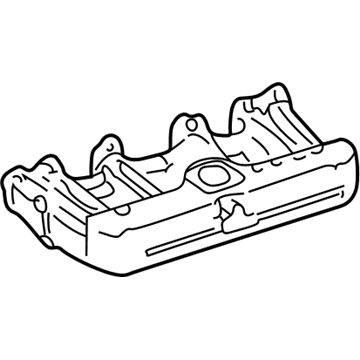
Jeep Cherokee Intake Manifold Part Number: 53010245
Jeep Cherokee Intake Manifold Part Number: 4854197AB
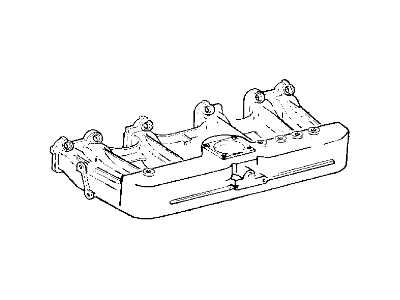
Jeep Cherokee Intake Manifold Part Number: 53010237
Jeep Cherokee Intake Manifold
Choose OEM Intake Manifold that meet Jeep factory standards. Jeep designs and tests every component for precision and durability. Each Intake Manifold follows strict manufacturing steps to lock in quality and fit. If your Jeep Cherokee matters to you, OEM parts make the smart choice. You'll get the exact look, feel, and performance you expect. Shop genuine Cherokee parts at the highly competitive prices online. Enjoy a manufacturer's warranty, a hassle-free return policy, and rapid delivery. No more guesswork with off brands. Get genuine parts with exact fit and true factory performance. Shop with confidence today at JeepPartsDeal.com.
The Intake Manifold of Jeep Cherokee vehicles provide the crucial task of delivering the air or air/fuel mixture to the respective cylinder and affects the performance capacity of the Jeep Cherokee cars. While early Intake Manifolds constructed of aluminum or Cast Iron, the newest Jeep Cherokee Intake Manifold is made of lightweight composite plastic, improving fuel economy and at the same time the temperature of the air entering the cylinder is cooler for better combustion. Through time, the Jeep Cherokee models have been having the different kinds of intake manifold such as the variable- length intake manifold (VLIM) that change the length of the intake manifold which tends to vary with power and torque. Among them, this technology optimizes the airflow and pressure and controls it according to the engine loads. Depending on the condition of the seals in the intake manifold and the regulation of the incoming air, it is hold for performance trouble, that is why the intake manifold is an important factor of the Jeep Cherokee vehicles efficiency.
Jeep Cherokee Intake Manifold Parts and Q&A
- Q:How to Service an Intake Manifold on Jeep Cherokee?A:You should begin by cutting off the battery negative connection, then remove the air cleaner inlet hose from the resonator and the air cleaner assemblies. After that, take the Throttle Cable, the vehicle speed control cable (if there is one) and the transmission pressure cable off. Remove all the electrical connectors from the Throttle Position Sensor, Idle Air Control Motor, Coolant Temperature Sensor in the thermostat housing, Intake Air Temperature Sensor, Oxygen Sensor, Crank Position Sensor, six Fuel Injector Connectors and the Manifold Absolute Pressure Sensor, placing the harness so it is secure out of the way. Detach the HVAC and Brake Booster vacuum supply hoses from the intake manifold, use the fuel pressure release procedure and take out the fuel supply line from the Fuel Rail assembly. Unfasten both the accessory Drive Belt and the Power Steering Pump from the intake manifold, after which raise the vehicle and break free the Exhaust Pipes from the manifolds. Remove every bolt holding down the intake and Exhaust Manifolds and remove the manifolds as well. If changing the manifold, move all the fittings over to the new one for the installation. Apply an exhaust/intake manifold gasket to the alignment dowels of the cylinder head, position the engine exhaust manifolds and merely tighten fastener Number 3 by hand. After securing the intake manifold's dowels in the cylinder head, put the washers and the bolts labelled with Numbers 1, 2, 4, 5, 8, 9, 10 and 11. Then add washers and bolts marked as 6 and 7. Fastener Numbers 1 through 5 should be tightened to 33 Nm (24 ft. lbs.), while Fastener Numbers 6 and 7 should be tightened to 31 Nm (23 ft. lbs.,) and Fastener Numbers 8 through 11 should be tightened to 33 Nm (24 ft. lbs.) Set the power steering pump into place, attach the accessory drive belt and join the supply line to the fuel rail assembly. Replace all the electrical connectors and vacuum hoses you removed from the intake manifold. After that, attach the throttle cable, vehicle speed control cable (if equipped) and the transmission line pressure cable (if equipped) and then put on the air cleaner along with the inlet hose to the resonator. Raise the vehicle once more to connect the exhaust pipes to the engine exhaust manifolds, tighten the bolts to 31 Nm (23 ft. lbs.), then lower it, attach the battery negative cable and start the vehicle to detect possible leaks.
- Q:How to Remove and Install an Intake Manifold on Jeep Cherokee?A:First, take off the negative cable from the battery and then disconnect the air inlet hose and resonator from the Throttle Body and air cleaner. First, ease the accessory Drive Belt's tension and remove the belt from the Power Steering Pump and then uninstall the power steering pump and its brackets from the Water Pump and intake manifold. Reduce fuel system pressure, cut the fuel tube's connection with the Fuel Rail (for some, a special tool may be needed) and disconnect the accelerator cable, cruise control connector and transmission pressure connector (once again, no tool is needed for this step). Loosen and pull the connectors from the Throttle Position Sensor, idle air control motor, Coolant Temperature Sensor at the thermostat, manifold air temperature sensor, Fuel Injectors and Oxygen Sensor and then pull the electrical wires away from the manifold. Move the CCV vacuum hose off the intake manifold, remove the MAP sensor vacuum line there and take out the vacuum hose from the intake manifold port and the CCV hose on the top of the cylinder head cover. When you have removed the molded harness for the vacuum, then disconnect the vacuum brake booster hose inside the intake manifold. Open up and briefly loosen bolt No.1 and nuts 6 and 7, letting bolt No.2 through 5 remain tight, before removing the manifold together with the gaskets and draining the manifold of liquid. While putting in the intake manifold, clean all mating surfaces, place a new gasket on the locating dowels, position it and tighten the mounting bolts by hand until after the next step. Tighten all the parts in the sequence given, with the torque specified: Fastener No.1 gets tightened to 41 Nm (30 ft. lbs.), Nos.2 through 5 get tightened to 31 Nm (23 ft. lbs.) and Nos.6 and 7 tightened to 23 Nm (17 ft. lbs.). The fuel rail inlet should click when the fuel supply tube is connected to it, after you've installed the new O-rings at the quick-connect coupling. Attach the vacuum hoses from the mold to the correct ports on the intake manifold and cylinder head cover and then secure the electrical connectors for the throttle position sensor, idle air control motor, coolant temperature sensor, fuel injectors, air manifold temperature sensor and oxygen sensor. Plug the CCV vacuum hose and MAP sensor vacuum hose connectors into the throttle body, snap in the power steering pump and bracket hardware, start all bolts by hand and tighten them to 28 Nm by torque. Connect the accelerator cable, cruise control cable (if it has one) and transmission line pressure cable (if it has one) to the hold-down bracket and throttle lever. Then adjust the accessory drive belt to assure it is traveling properly and will not overheat the engine. After that, join the intake hose and resonator to the throttle body and air cleaner, reconnect the battery's negative cable, start the engine and inspect for leaks.
Related Jeep Cherokee Parts
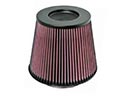 Jeep Cherokee Air Filter
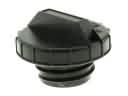 Jeep Cherokee Gas Cap
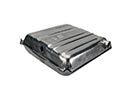 Jeep Cherokee Fuel Tank
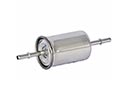 Jeep Cherokee Fuel Filter
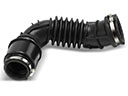 Jeep Cherokee Air Intake Hose
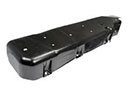 Jeep Cherokee Fuel Tank Skid Plate
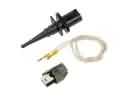 Jeep Cherokee Air Temperature Sensor
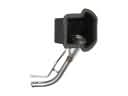 Jeep Cherokee Fuel Filler Neck
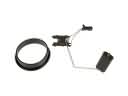 Jeep Cherokee Fuel Level Sensor
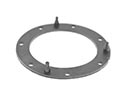 Jeep Cherokee Fuel Pump Gasket
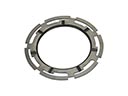 Jeep Cherokee Fuel Tank Lock Ring
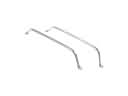 Jeep Cherokee Fuel Tank Strap