JeepParts
My Garage
My Account
Cart
OEM Jeep Cherokee Tail Pipe
Exhaust Tail Pipe- Select Vehicle by Model
- Select Vehicle by VIN
Select Vehicle by Model
orMake
Model
Year
Select Vehicle by VIN
For the most accurate results, select vehicle by your VIN (Vehicle Identification Number).
Filter by Part Type
Filter by Part Type
20 Tail Pipes found
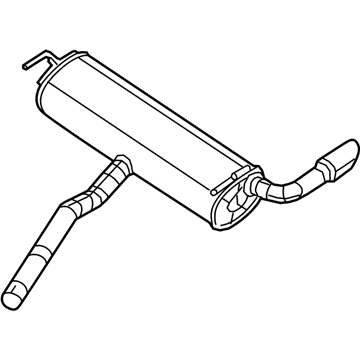
Jeep Cherokee Muffler & Tail Pipe Part Number: 68238699AA
$519.44 MSRP: $1170.00You Save: $650.56 (56%)Ships in 1-2 Business DaysJeep Cherokee Muffler & Tail Pipe Part Number: 68287298AB
$839.80 MSRP: $1270.00You Save: $430.20 (34%)Jeep Cherokee Muffler & Tail Pipe Part Number: 68185862AH
$616.59 MSRP: $934.00You Save: $317.41 (34%)Ships in 1-2 Business DaysJeep Cherokee Muffler & Tail Pipe Part Number: 68238698AB
$1081.80 MSRP: $1635.00You Save: $553.20 (34%)Jeep Cherokee Muffler & Tail Pipe Part Number: 68109913AJ
$912.73 MSRP: $1380.00You Save: $467.27 (34%)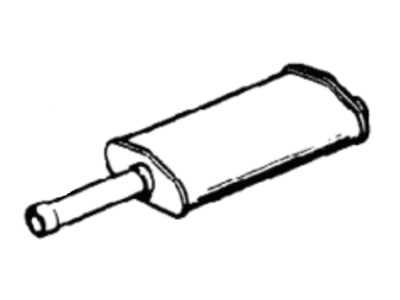
Jeep Cherokee Muffler Part Number: 83500482
$89.28 MSRP: $132.00You Save: $42.72 (33%)Ships in 1-2 Business Days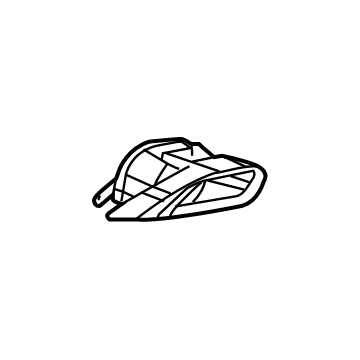
Jeep Cherokee Diffuser Tips, Rear Passenger Side Part Number: 68388822AA
$285.52 MSRP: $420.00You Save: $134.48 (33%)Ships in 1-3 Business DaysJeep Cherokee Diffuser Tips, Rear Driver Side Part Number: 68388823AA
$293.45 MSRP: $433.00You Save: $139.55 (33%)Ships in 1-3 Business Days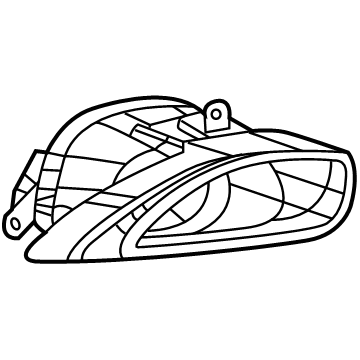
Jeep Cherokee Diffuser Tips Part Number: 68236950AA
$443.12 MSRP: $646.00You Save: $202.88 (32%)Ships in 1-3 Business DaysJeep Cherokee Diffuser Tips Part Number: 68236949AA
$443.12 MSRP: $646.00You Save: $202.88 (32%)Ships in 1-3 Business DaysJeep Cherokee Muffler & Tail Pipe Part Number: 68287308AB
$938.90 MSRP: $1370.00You Save: $431.10 (32%)Jeep Cherokee Muffler & Tail Pipe Part Number: 68238700AB
$851.88 MSRP: $1240.00You Save: $388.12 (32%)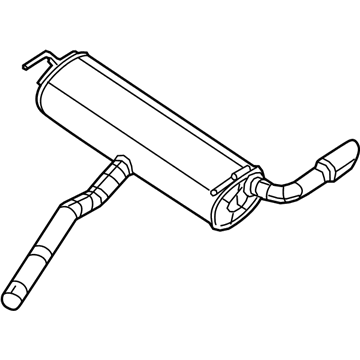
Jeep Cherokee Muffler & Pipe Part Number: 68185867AI
$517.54 MSRP: $759.00You Save: $241.46 (32%)Jeep Cherokee Muffler & Pipe Part Number: 68185868AI
$518.69 MSRP: $761.00You Save: $242.31 (32%)Jeep Cherokee Muffler & Pipe Part Number: 68109907AI
$783.18 MSRP: $1140.00You Save: $356.82 (32%)Jeep Cherokee Muffler & Pipe Part Number: 68109909AI
$792.34 MSRP: $1155.00You Save: $362.66 (32%)
Jeep Cherokee Tail Pipe Part Number: 83507206
Jeep Cherokee Muffler W/Tpipe Part Number: 52101052AE
Jeep Cherokee Muffler W/Tpipe Part Number: 5019872AA
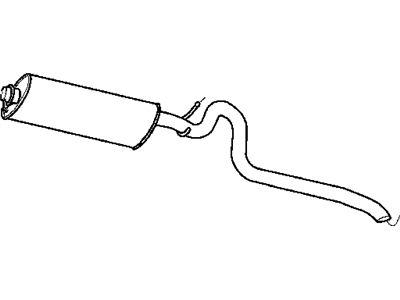
Jeep Cherokee Muffler W/Tpipe Part Number: 52101262AH
Jeep Cherokee Tail Pipe
Choose OEM Tail Pipe that meet Jeep factory standards. Jeep designs and tests every component for precision and durability. Each Tail Pipe follows strict manufacturing steps to lock in quality and fit. If your Jeep Cherokee matters to you, OEM parts make the smart choice. You'll get the exact look, feel, and performance you expect. Shop genuine Cherokee parts at the highly competitive prices online. Enjoy a manufacturer's warranty, a hassle-free return policy, and rapid delivery. No more guesswork with off brands. Get genuine parts with exact fit and true factory performance. Shop with confidence today at JeepPartsDeal.com.
The Tail Pipe is an excellent product part of the Jeep Cherokee exhaust system; it's specifically crafted to channel exhaust gases produced by the automobile engine to the rear part of the vehicle body for proper atmospheric discharge. As an part, the Tail Pipe is very reliable and performs a significant function; in addition, it is designed to be eye-catching and often contains chrome tips. This Tail Pipe is available in different sizes to help Jeep Cherokees of different models stay in line with the trends hence satisfying jeep Governors in the market. The Tail Pipe is a very important feature of the vehicle since it determines the exhaust systems efficiency and reliability in enhancing the efficiency of the vehicle. In addition, the design of the Tail Pipe takes into account aspects like, soot which is an issue when discharged directly into the atmosphere and corrosion hence cementing its presence in the automotive market. There are the variety of features - the cuts designs like straight and-angle that could be added while designing the car to meet a buyer's preference without affecting the Jeep Cherokee's identity as a durable car for adventurers and those in search of a stable automobile. Since 1974 Jeep Cherokee has been developing and the Tail Pipe also in the same position, The Tail Pipe means a lot as it reflects the Jeep brand value of perseverance and adventurer. All in all, the Tail Pipe can be considered as the focused and worthy representative of the Jeep Cherokee brand, answering all the requests in terms of power, protection, and recognition.
Jeep Cherokee Tail Pipe Parts and Q&A
- Q:How Are Muffler and Tail Pipe Serviced and Repaired on Jeep Cherokee?A:In the original equipment systems, the muffler and exhaust tailpipe are welded, while service replacement parts are usually clamped or welded together. While dealing with the exhaust system, make sure to disconnect the oxygen sensor connector to avoid harming either the wiring or the sensor. You should raise and hold the vehicle in a safe position first, then take off the front tailpipe hanger from the insulator and remove the front clamp clamping the Catalytic Converter and muffler together. Set the heat from an oxyacetylene torch on the joining between the exhaust muffler/tailpipe and catalytic converter until the connection is cherry red, then take the exhaust muffler/tailpipe assembly off the catalytic converter. Slide the assembly away from the rear of the vehicle beyond the point of the rear exhaust tailpipe bracket. For original equipment, close the tailpipe using a snip just ahead of the muffler, crumple the remaining part in the muffler and take it out. When using service exhaust tailpipes, apply heat to the joint between the pipes and muffler, remove the clamp and twist them out of each other. Set the muffler above the catalytic converter, then install and tighten the clamp just a little with your fingers. Slide the tailpipe into the other end of the muffler and position the assembly on the exhaust tailpipe mounting bracket at the rear, keeping it raised from the floor pan. Put the front tailpipe hanger back in place, line up the muffler and tighten the nuts on the muffler-to-catalytic converter clamp to 61 Nm (45 ft. lbs.). Misalign your tailpipe, replace the old clamp with a new one and tighten the new clamp to 61 Nm (45 ft. lbs.). After that, lower down the car, start the engine, check for any leaks in the exhaust and make sure there is no contact between the exhaust and the body panels, adjusting the alignment again if needed.
Related Jeep Cherokee Parts
 Jeep Cherokee Catalytic Converter
 Jeep Cherokee Muffler
 Jeep Cherokee Exhaust Manifold
 Jeep Cherokee Exhaust Pipe
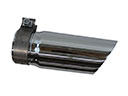 Jeep Cherokee Exhaust Tip
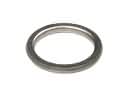 Jeep Cherokee Exhaust Flange Gasket
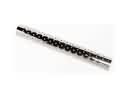 Jeep Cherokee Exhaust Heat Shield
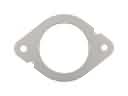 Jeep Cherokee Catalytic Converter Gasket
 Jeep Cherokee Exhaust Clamp
 Jeep Cherokee Exhaust Resonator
 Jeep Cherokee Exhaust Seal Ring
 Jeep Cherokee Muffler Strap