JeepParts
My Garage
My Account
Cart
OEM Jeep Cherokee Catalytic Converter
Cat. Converter- Select Vehicle by Model
- Select Vehicle by VIN
Select Vehicle by Model
orMake
Model
Year
Select Vehicle by VIN
For the most accurate results, select vehicle by your VIN (Vehicle Identification Number).
21 Catalytic Converters found
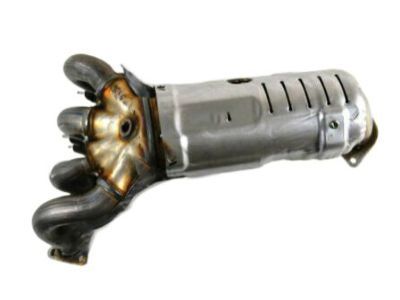
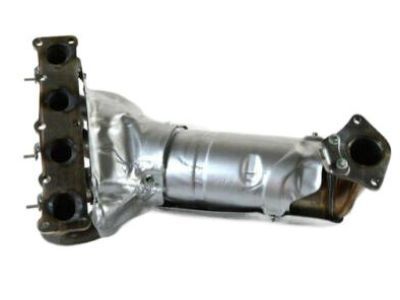
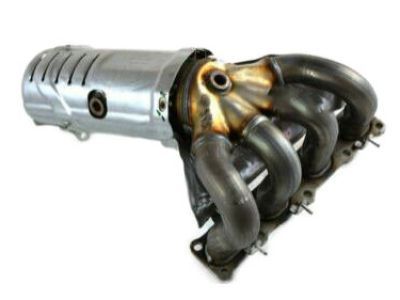
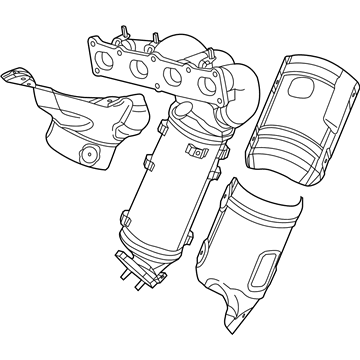
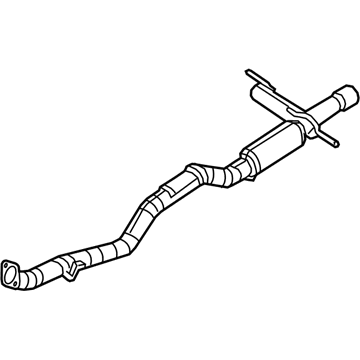
Jeep Cherokee Exhaust Manifold Part Number: 68432342AA
$1721.10 MSRP: $3075.00You Save: $1353.90 (45%)Ships in 1-3 Business Days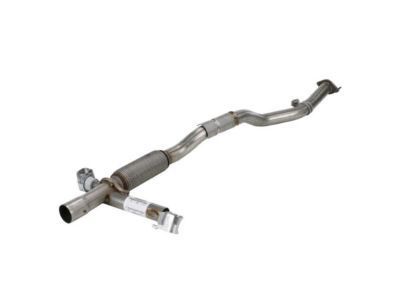
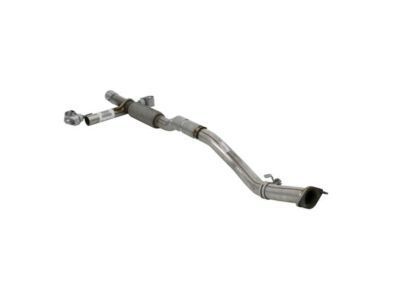
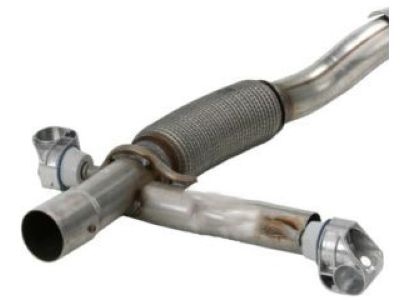
Jeep Cherokee Catalytic Converter, Front Part Number: 68225541AC
$823.23 MSRP: $1245.00You Save: $421.77 (34%)Ships in 1-2 Business Days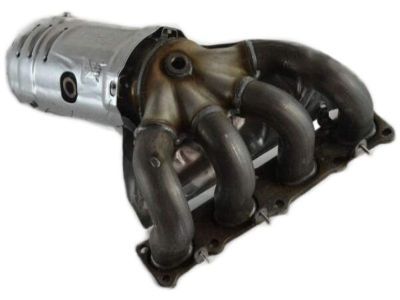
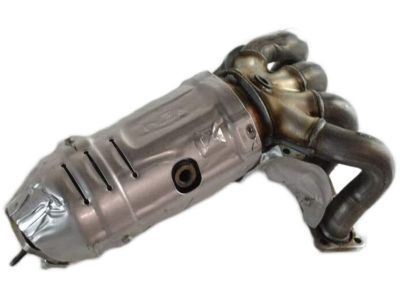
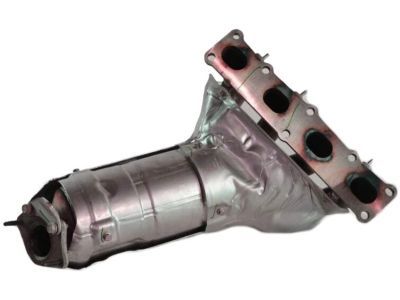
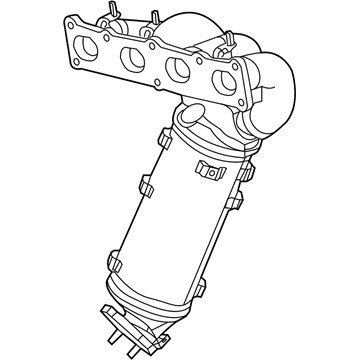
Jeep Cherokee Exhaust Manifold Part Number: 68234997AC
$1613.50 MSRP: $2335.00You Save: $721.50 (31%)Ships in 1-2 Business Days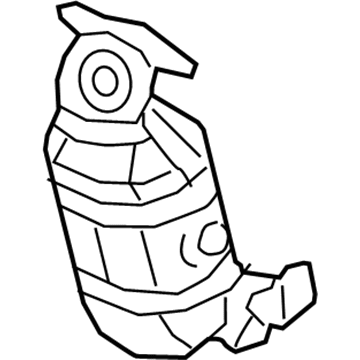
Jeep Cherokee Catalytic Converter, Driver Side Part Number: 68337773AA
$467.93 MSRP: $675.00You Save: $207.07 (31%)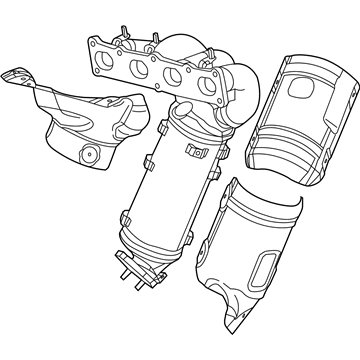
Jeep Cherokee Exhaust Manifold Part Number: 68081818AC
$730.13 MSRP: $1060.00You Save: $329.87 (32%)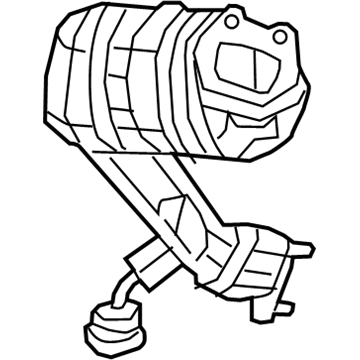
Jeep Cherokee Catalytic Converter, Passenger Side Part Number: 68337774AB
$504.57 MSRP: $729.00You Save: $224.43 (31%)Ships in 1-3 Business DaysJeep Cherokee Catalytic Converter Part Number: 68314764AB
$976.31 MSRP: $1415.00You Save: $438.69 (31%)Ships in 1-3 Business Days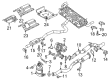
Jeep Cherokee Catalytic Converter, Passenger Side Part Number: 68105875AI
$890.43 MSRP: $1290.00You Save: $399.57 (31%)Ships in 1-3 Business DaysJeep Cherokee Converter - Catalytic Part Number: 68314765AC
$1418.28 MSRP: $2080.00You Save: $661.72 (32%)Ships in 1-3 Business Days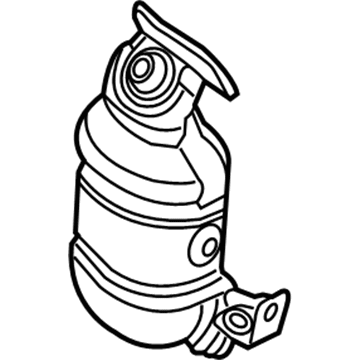
Jeep Cherokee Catalytic Converter, Driver Side Part Number: 68105874AG
$1446.90 MSRP: $2110.00You Save: $663.10 (32%)Ships in 1-3 Business Days
Jeep Cherokee Catalytic Converter Part Number: 5083054AD
$1738.88 MSRP: $2525.00You Save: $786.12 (32%)Ships in 1-3 Business DaysJeep Cherokee Exhaust Manifold Part Number: 68315810AA
$670.59 MSRP: $970.00You Save: $299.41 (31%)Ships in 1-3 Business Days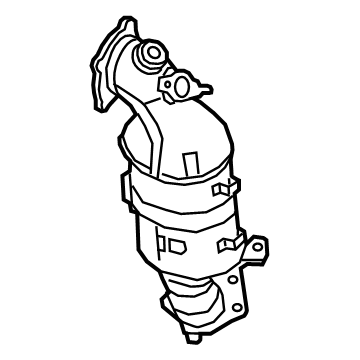
Jeep Cherokee Catalytic Converter Part Number: 68224176AG
$1252.25 MSRP: $1820.00You Save: $567.75 (32%)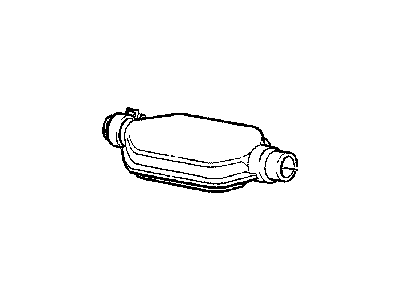
Jeep Cherokee Catalytic Converter Part Number: 52101116AC

Jeep Cherokee Front Pipe Part Number: 52101112AF
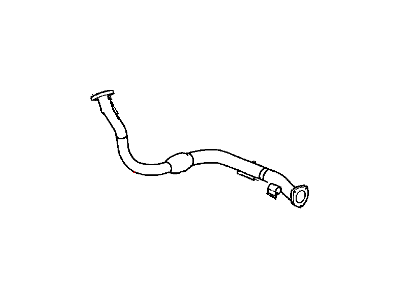
Jeep Cherokee Catalytic Converter Part Number: 52020027AC
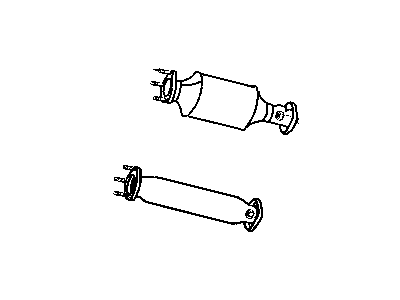
Jeep Cherokee Catalytic Converter Part Number: 52019480AH
Jeep Cherokee Converter Part Number: 52019480AG
Jeep Cherokee Catalytic Converter Part Number: 53001627
Jeep Cherokee Catalytic Converter Part Number: 83504852
| Page 1 of 2 |Next >
1-20 of 21 Results
Jeep Cherokee Catalytic Converter
Choose OEM Catalytic Converter that meet Jeep factory standards. Jeep designs and tests every component for precision and durability. Each Catalytic Converter follows strict manufacturing steps to lock in quality and fit. If your Jeep Cherokee matters to you, OEM parts make the smart choice. You'll get the exact look, feel, and performance you expect. Shop genuine Cherokee parts at the highly competitive prices online. Enjoy a manufacturer's warranty, a hassle-free return policy, and rapid delivery. No more guesswork with off brands. Get genuine parts with exact fit and true factory performance. Shop with confidence today at JeepPartsDeal.com.
Catalytic converter is one of the exhaust and emission systems which are fitted in the Jeep Cherokee vehicles to decrease the level of emissions like Carbon Monoxide (CO), Hydrocarbons (HC), Oxides of Nitrogen (NOx), etc. and transform them into harmless substances like water and Carbon Dioxide (CO2). This change is brought about chemically with the help of the catalysts which can be platinum, palladium, as well as rhodium hidden in the honeycomb structure. Speaking of the models of Jeep Cherokee the cars have been using different Catalytic Converters which are direct fit and universal. Direct fit converters do not require further installation because they are made to be installed in an effortless procedure while in universal converters, extra procedures are needed to be undertaken in order to install the converters. Performance catalytic converters are also there which are designed for high flow in order to improve the performance of the engine while at the same time work as the requirement of the catalytic converter. It is therefore crucial to understand the explicit model of a Catalytic Converter in a Jeep Cherokee for purpose of efficiency and emission regulation.
Jeep Cherokee Catalytic Converter Parts and Q&A
- Q:How Should You Service and Repair an Early Build Catalytic Converter on Jeep Cherokee?A:When starting service of the catalytic converter on older cars, protect yourself and the Oxygen Sensor by turning off any flames around fuel lines and unplugging the oxygen sensor connector. Lift and strengthen the vehicle and then release the clamps on the connector between the catalytic converter and the Muffler. Separate and take out the oxygen sensor from the catalytic converter. Turn on your oxyacetylene torch, heat just the area that joins the muffler to the catalytic converter and keep going until the metal turns cherry red. Once it is hot enough, rotate the muffler backward and forward to remove it from the catalytic converter. Should the need arise, use heat to loosen the Exhaust Pipe from the catalytic converter before removing. When installing the catalytic converter, connect it to the exhaust pipe and muffler/tailpipe assembly and secure it with a new clamp, turning the nuts up to 61 Nm torque or 45 ft. lbs. Attach the muffler onto the catalytic converter, check that the alignment tab fits into the alignment slot and secure it with a new clamp, tighten the clamp nut to 61 Nm (45 ft. lbs). Spread anti-seize compound on the oxygen sensor, install it and tighten the nut via the torque wrench to 27 Nm (20 ft. lbs.)). Drop the vehicle into place once you've done all your checks, start the engine, scan for any leaks in the exhaust system and ensure nothing touches the body panels.
- Q:How to Maintain a Catalytic Converter on Jeep Cherokee?A:To work on the catalytic converter, you should raise and secure the vehicle before anything else. Unplug the Oxygen Sensor from the catalytic converter and apply Mopar Rust Penetrant to the bolts and nuts, then wait 5 minutes. Separate the muffler flange from the catalytic converter flange by removing the nuts and then use nuts to separate the catalytic converter from its pipe flange. To install, set the new gasket and catalytic converter on the Exhaust Pipe, adding all three mounting nuts but don't tighten them just yet. After that, put the muffler flange onto the catalytic converter flange, attach the nuts and bolts and tighten the nuts to 28.5 Nm (21 ft. lbs.). After that, tighten the catalytic converter to exhaust pipe flange mounting nuts to 28.5 Nm (21 ft. lbs.). Place the oxygen sensor in the catalytic converter and link the two up. Lower the car again, then switch the engine on to look for leakages.
Related Jeep Cherokee Parts
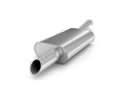 Jeep Cherokee Muffler
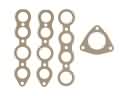 Jeep Cherokee Exhaust Manifold
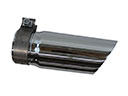 Jeep Cherokee Exhaust Tip
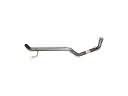 Jeep Cherokee Tail Pipe
 Jeep Cherokee Exhaust Flange Gasket
 Jeep Cherokee Exhaust Heat Shield
 Jeep Cherokee Catalytic Converter Gasket
 Jeep Cherokee Exhaust Clamp
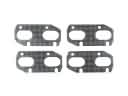 Jeep Cherokee Exhaust Manifold Gasket
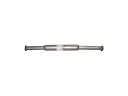 Jeep Cherokee Exhaust Resonator
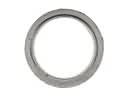 Jeep Cherokee Exhaust Seal Ring
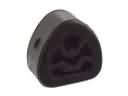 Jeep Cherokee Muffler Strap