JeepParts
My Garage
My Account
Cart
OEM Jeep Patriot Pressure Plate
Clutch Pressure Plate- Select Vehicle by Model
- Select Vehicle by VIN
Select Vehicle by Model
orMake
Model
Year
Select Vehicle by VIN
For the most accurate results, select vehicle by your VIN (Vehicle Identification Number).
3 Pressure Plates found
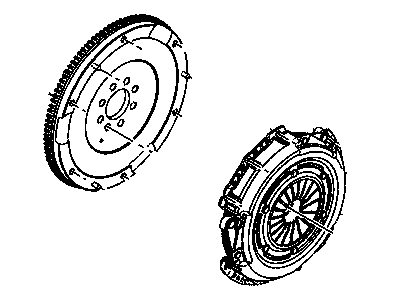
Jeep Patriot Pressure Plate Part Number: 5062150AF
$460.79 MSRP: $699.00You Save: $238.21 (35%)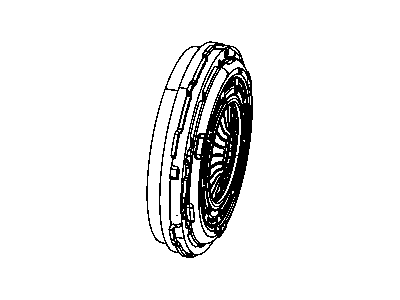
Jeep Patriot Pressure Plate Part Number: 5106042AD
$593.39 MSRP: $899.00You Save: $305.61 (34%)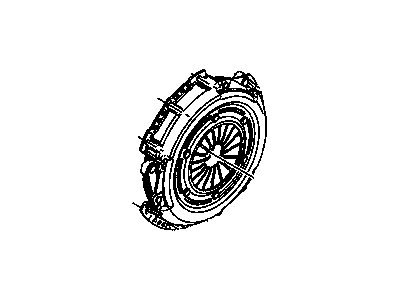
Jeep Patriot Pressure Plate Part Number: 5106018AD
Jeep Patriot Pressure Plate
Choose OEM Pressure Plate that meet Jeep factory standards. Jeep designs and tests every component for precision and durability. Each Pressure Plate follows strict manufacturing steps to lock in quality and fit. If your Jeep Patriot matters to you, OEM parts make the smart choice. You'll get the exact look, feel, and performance you expect. Shop genuine Patriot parts at the highly competitive prices online. Enjoy a manufacturer's warranty, a hassle-free return policy, and rapid delivery. No more guesswork with off brands. Get genuine parts with exact fit and true factory performance. Shop with confidence today at JeepPartsDeal.com.
Jeep Patriot Pressure Plate Parts and Q&A
- Q:How Does Fluid Contamination Affect Pressure Plate Performance on Jeep Patriot?A:Many times, problems with the clutch are due to different fluids on the contact surfaces, including oil, grease and water. Watch out for signs of oil, grease or water on the clutch when performing the inspection. If there is oil contamination, it shows a leak from the rear main seal or transaxle input shaft on the inside of the transaxle housing, the clutch cover and flywheel. When there is a lot of slippage, the oil left behind can cook onto the engine's parts, giving them a shiny amber to black coating. Using too much grease on the input shaft splines is typically what causes grease contamination; keep in mind that only a tiny amount should be applied during clutch service, as extra grease thrown off during operation could loosen and contact the disc. When you drive through puddles of water, road splash often leads to the clutch housing leaking and contaminating the surrounding parts. Should moisture build-up and connect the disc to the flywheel or pressure plate because of a still car and the clutch fails, you need to replace the kit. The solution is to drive until the clutch gets to its regular working temperature. This will make everything dry.
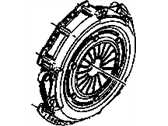
Related Jeep Patriot Parts
 Jeep Patriot Transfer Case
 Jeep Patriot Automatic Transmission Filter
 Jeep Patriot Automatic Transmission Shift Levers
 Jeep Patriot Automatic Transmission Shifter
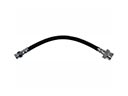 Jeep Patriot Clutch Hose
 Jeep Patriot Clutch Hydraulic Lines
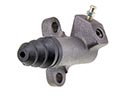 Jeep Patriot Clutch Slave Cylinder
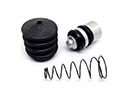 Jeep Patriot Clutch Slave Repair Kit
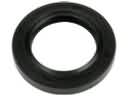 Jeep Patriot Manual Transmission Extension Housing Seal
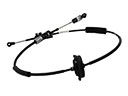 Jeep Patriot Shift Cable
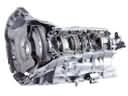 Jeep Patriot Transmission Assembly
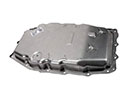 Jeep Patriot Transmission Pan