JeepParts
My Garage
My Account
Cart
OEM 2001 Dodge Ram 1500 Van Fuel Rail
Engine Fuel Rail- Select Vehicle by Model
- Select Vehicle by VIN
Select Vehicle by Model
orMake
Model
Year
Select Vehicle by VIN
For the most accurate results, select vehicle by your VIN (Vehicle Identification Number).
2 Fuel Rails found
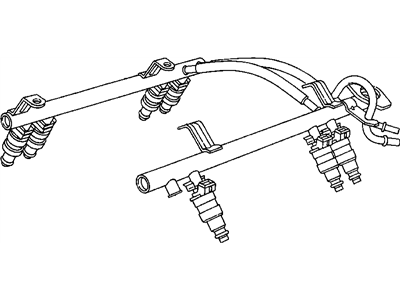
2001 Dodge Ram 1500 Van Fuel Rail Part Number: 53030598AC
Product Specifications- Other Name: Rail - Fuel
- Replaces: 53030598AB
- Item Weight: 0.60 Pounds
- Item Dimensions: 23.1 x 6.6 x 6.8 inches
- Condition: New
- Fitment Type: Direct Replacement
- SKU: 53030598AC
- Warranty: This genuine part is guaranteed by Mopar's factory warranty.
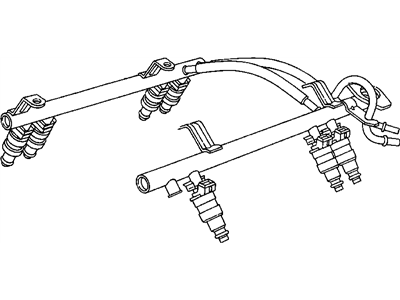
2001 Dodge Ram 1500 Van Fuel Rail Part Number: 53030593AB
Product Specifications- Other Name: Rail - Fuel; Rail Fuel
- Item Weight: 1.70 Pounds
- Item Dimensions: 11.7 x 11.6 x 3.4 inches
- Condition: New
- Fitment Type: Direct Replacement
- SKU: 53030593AB
- Warranty: This genuine part is guaranteed by Mopar's factory warranty.
2001 Dodge Ram 1500 Van Fuel Rail Parts and Q&A
- Q: How to service the fuel rail assembly on 2001 Dodge Ram 1500 Van?A: Start the process by first getting rid of any pressure inside the fuel system. Pull out the engine cover, separate the negative battery cable from the battery and take the air cleaner off. Complete the fuel pressure release and then take out the throttle body from the intake manifold. If your vehicle contains an air conditioner, remove the A-shaped support bracket by taking off its three bolts. Disconnect the power sockets that are identified by tags at every fuel injector. Also remove the electrical connector from the intake manifold air temperature sensor, but don't take out the sensor. Cut the connection to the fuel tube at the side of the fuel rail, then remove all the fuel rail mounting bolts. After cleaning each fuel injector, carefully shake and tug on both the left and right fuel rails so all injectors lie below the intake manifold. Take out the assembled fuel rail with the fuel injectors attached. Take apart the system by detaching the clips between the injectors and the fuel rail. Once you have installing the fuel rail, place a little engine oil on each fuel injector O-ring and set the injectors and their clips into place. Put the fuel rail/fuel injector assembly above the intake manifold, guiding the injectors so they go into their holes without harming the O-ring. Sit the injectors on both fuel rails and push the rails down. Then, put the mounting bolts in each fuel rail. Connect the intake manifold air temperature sensor to the electrical connector and then connect wiring to all the fuel injectors. If the A/C support bracket is present, fit it to the block first and then bolt the throttle body to the intake manifold. Flip over the car and reassemble by fitting the fuel tube to the side of the fuel rail, air cleaner and battery cable, checking for leaks once the engine starts and lastly, putting back the engine cover.
Related 2001 Dodge Ram 1500 Van Parts
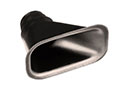 2001 Dodge Ram 1500 Van Air Duct
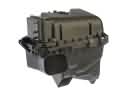 2001 Dodge Ram 1500 Van Air Filter Box
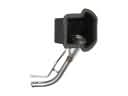 2001 Dodge Ram 1500 Van Fuel Filler Neck
 2001 Dodge Ram 1500 Van Fuel Injector
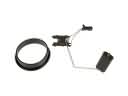 2001 Dodge Ram 1500 Van Fuel Level Sensor
 2001 Dodge Ram 1500 Van Fuel Pump Gasket
 2001 Dodge Ram 1500 Van Fuel Sending Unit
 2001 Dodge Ram 1500 Van Fuel Tank
 2001 Dodge Ram 1500 Van Fuel Tank Lock Ring
 2001 Dodge Ram 1500 Van Idle Control Valve
 2001 Dodge Ram 1500 Van Intake Manifold
 2001 Dodge Ram 1500 Van Throttle Cable