JeepParts
My Garage
My Account
Cart
OEM 2006 Dodge Ram 2500 Drive Shaft
Axle Shaft- Select Vehicle by Model
- Select Vehicle by VIN
Select Vehicle by Model
orMake
Model
Year
Select Vehicle by VIN
For the most accurate results, select vehicle by your VIN (Vehicle Identification Number).
24 Drive Shafts found
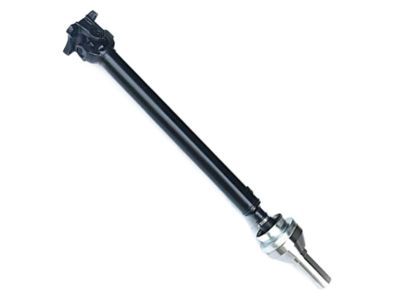

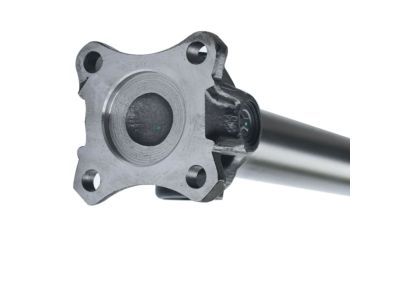
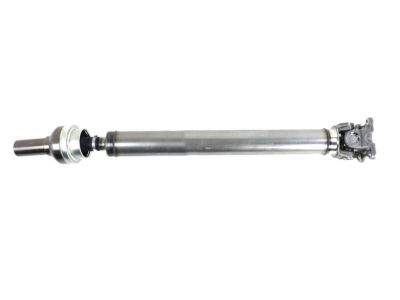
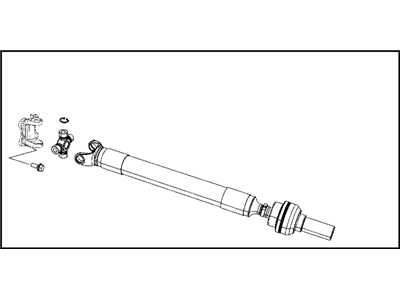
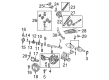
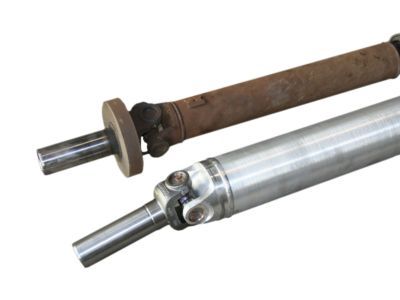
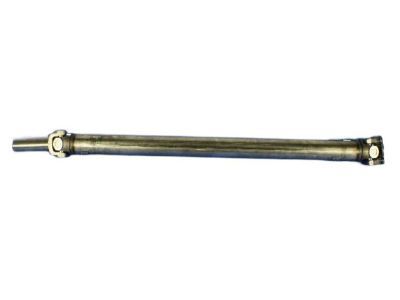
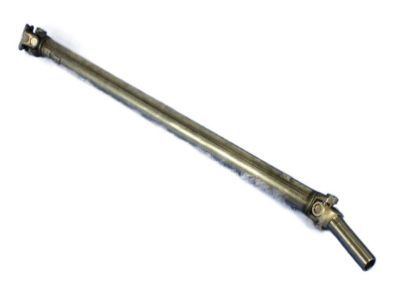
2006 Dodge Ram 2500 Drive Shaft Part Number: 52123021AC
$1036.23 MSRP: $1525.00You Save: $488.77 (33%)Ships in 1-3 Business DaysProduct Specifications- Other Name: Shaft - Drive; Driveshaft; Shaft Drive Front
- Replaces: 52123021AB, 52123021AA, 52105990AB
- Item Weight: 16.00 Pounds
- Item Dimensions: 39.8 x 6.1 x 6.2 inches
- Condition: New
- Fitment Type: Direct Replacement
- SKU: 52123021AC
- Warranty: This genuine part is guaranteed by Mopar's factory warranty.
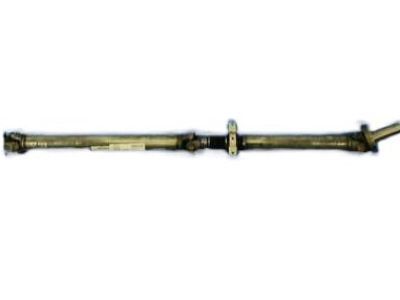
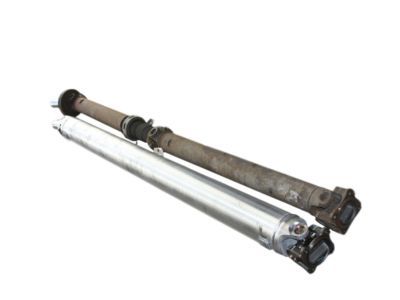
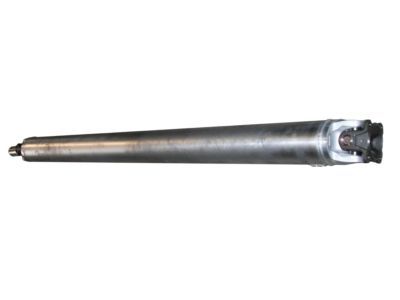
2006 Dodge Ram 2500 Drive Shaft Part Number: 52123104AB
$1685.13 MSRP: $2575.00You Save: $889.87 (35%)Ships in 1-2 Business DaysProduct Specifications- Other Name: Shaft - Drive; Driveshaft
- Replaces: 52123104AA, 52853186AC
- Item Weight: 77.00 Pounds
- Item Dimensions: 88.9 x 10.6 x 7.7 inches
- Condition: New
- Fitment Type: Direct Replacement
- SKU: 52123104AB
- Warranty: This genuine part is guaranteed by Mopar's factory warranty.
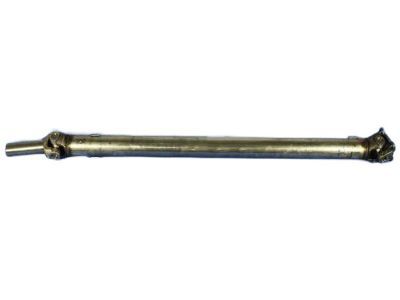
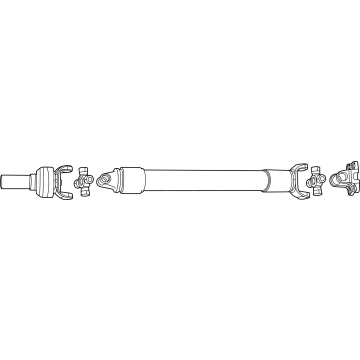
2006 Dodge Ram 2500 Drive Shaft Part Number: 52123117AC
$1110.53 MSRP: $1700.00You Save: $589.47 (35%)Ships in 1-2 Business DaysProduct Specifications- Other Name: Shaft - Drive; Driveshaft; Shaft Drive Rear 1-Piece
- Replaces: 5146475AA, 52123117AA, 52123117AB, 52105809AE
- Item Weight: 36.80 Pounds
- Item Dimensions: 102.0 x 5.4 x 5.2 inches
- Condition: New
- Fitment Type: Direct Replacement
- SKU: 52123117AC
- Warranty: This genuine part is guaranteed by Mopar's factory warranty.
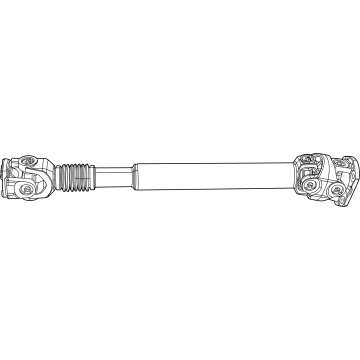
2006 Dodge Ram 2500 Drive Shaft Part Number: 52123326AD
$1059.44 MSRP: $1505.00You Save: $445.56 (30%)Ships in 1-2 Business DaysProduct Specifications- Other Name: Shaft-Drive
- Replaces: 52105934AF, 52123112AA, 52123326AA, 52123326AC, 52105934AB, 52105934AD, 68057601AA, 52105934AC, 52105934AE, 52123326AB
- Item Weight: 30.60 Pounds
- Item Dimensions: 40.8 x 8.2 x 5.3 inches
- Condition: New
- Fitment Type: Direct Replacement
- SKU: 52123326AD
- Warranty: This genuine part is guaranteed by Mopar's factory warranty.
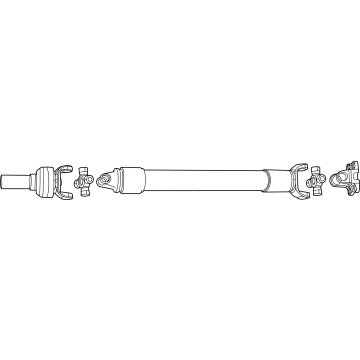
2006 Dodge Ram 2500 Drive Shaft Part Number: 52123129AE
$930.89 MSRP: $1360.00You Save: $429.11 (32%)Ships in 1-2 Business DaysProduct Specifications- Other Name: Shaft - Drive; Driveshaft; Shaft Drive Rear 1-Piece
- Replaces: 52123129AB, 52105633AE, 52123129AA, 52123129AC, 52123129AD
- Item Weight: 41.60 Pounds
- Item Dimensions: 95.6 x 10.4 x 9.5 inches
- Condition: New
- Fitment Type: Direct Replacement
- SKU: 52123129AE
- Warranty: This genuine part is guaranteed by Mopar's factory warranty.
2006 Dodge Ram 2500 Drive Shaft Part Number: 52123121AC
$1037.40 MSRP: $1410.00You Save: $372.60 (27%)Ships in 1-2 Business DaysProduct Specifications- Other Name: Shaft - Drive; Driveshaft; Shaft Drive Rear 1-Piece
- Replaces: 52123121AA, 52123121AB
- Item Weight: 38.20 Pounds
- Item Dimensions: 67.2 x 5.3 x 4.8 inches
- Condition: New
- Fitment Type: Direct Replacement
- SKU: 52123121AC
- Warranty: This genuine part is guaranteed by Mopar's factory warranty.
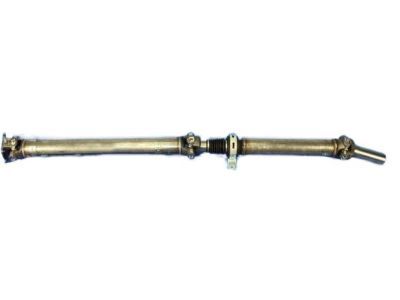
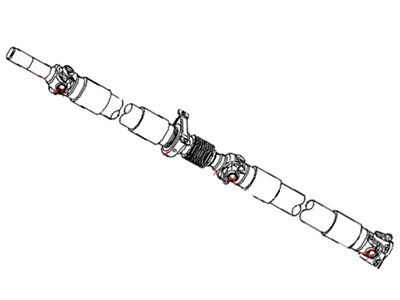
2006 Dodge Ram 2500 Drive Shaft Part Number: 52123105AB
Product Specifications- Other Name: Shaft - Drive; Driveshaft
- Replaces: 52123105AA
- Item Weight: 56.90 Pounds
- Item Dimensions: 93.6 x 9.0 x 8.9 inches
- Condition: New
- Fitment Type: Direct Replacement
- SKU: 52123105AB
- Warranty: This genuine part is guaranteed by Mopar's factory warranty.
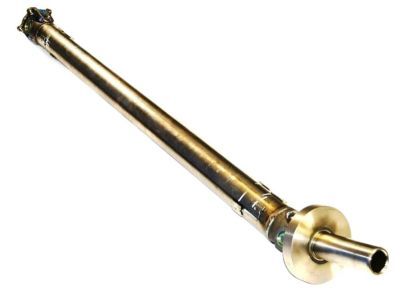
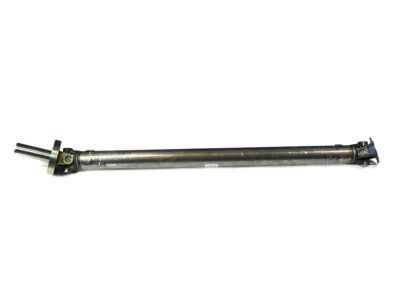
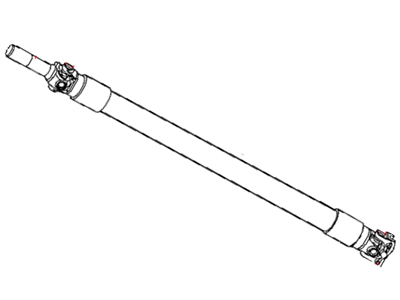
2006 Dodge Ram 2500 Drive Shaft Part Number: 52123122AA
Product Specifications- Other Name: Shaft - Drive; Driveshaft; Shaft Drive Rear 1-Piece
- Replaces: 52853185AC
- Item Weight: 35.30 Pounds
- Item Dimensions: 71.3 x 4.9 x 4.9 inches
- Condition: New
- Fitment Type: Direct Replacement
- SKU: 52123122AA
- Warranty: This genuine part is guaranteed by Mopar's factory warranty.
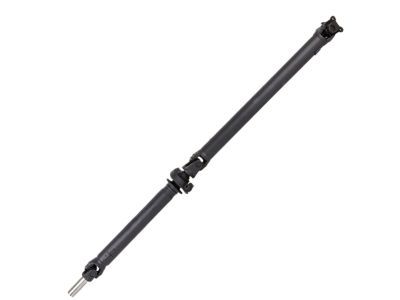
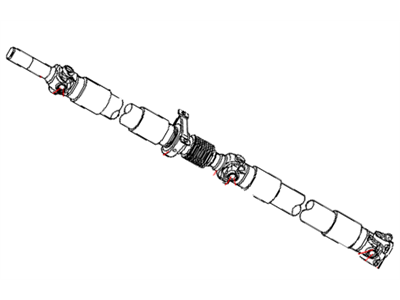
2006 Dodge Ram 2500 Drive Shaft Part Number: 52123100AB
Product Specifications- Other Name: Shaft - Drive; Driveshaft
- Replaces: 52105810AF, 52123100AA
- Item Weight: 79.40 Pounds
- Item Dimensions: 88.9 x 9.0 x 9.2 inches
- Condition: New
- Fitment Type: Direct Replacement
- SKU: 52123100AB
- Warranty: This genuine part is guaranteed by Mopar's factory warranty.
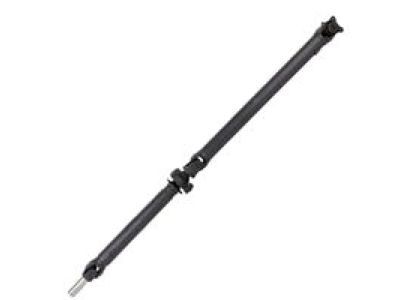
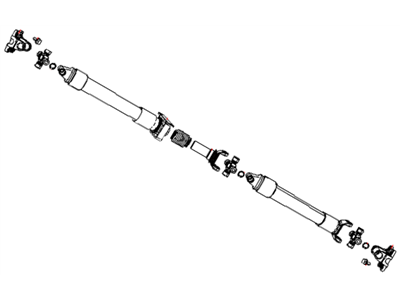
2006 Dodge Ram 2500 Drive Shaft Part Number: 52123138AC
Product Specifications- Other Name: Shaft - Drive; Driveshaft
- Replaces: 52123138AA, 52123138AB
- Item Weight: 20.60 Pounds
- Item Dimensions: 88.7 x 8.2 x 8.5 inches
- Condition: New
- Fitment Type: Direct Replacement
- SKU: 52123138AC
- Warranty: This genuine part is guaranteed by Mopar's factory warranty.
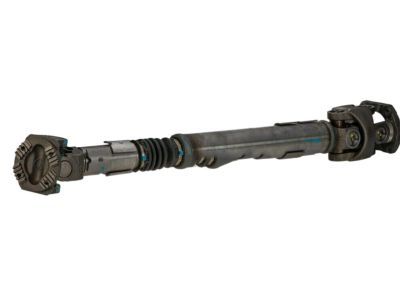
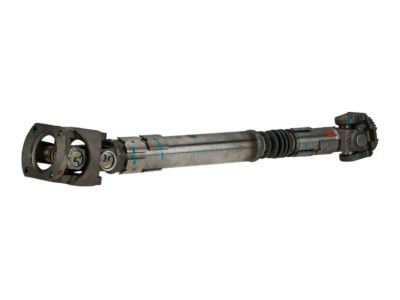
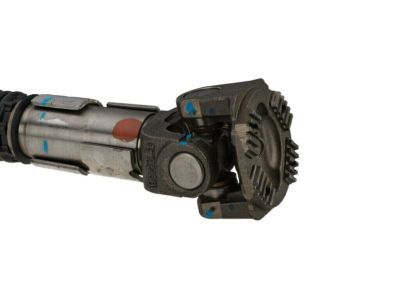
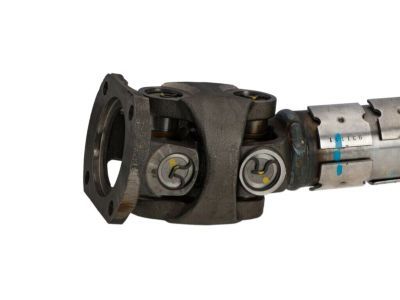
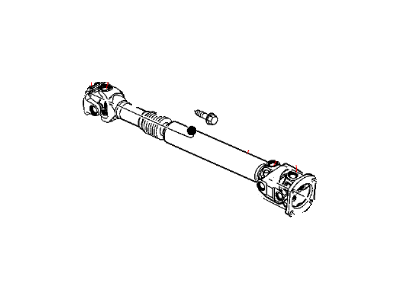
2006 Dodge Ram 2500 Drive Shaft Part Number: 52123110AC
Product Specifications- Other Name: Shaft - Drive; Driveshaft
- Replaces: 52123110AB, 52105930AC, 52105930AE, 52105930AF, 52105930AD, 52105930AB, 52123110AA
- Item Weight: 26.80 Pounds
- Item Dimensions: 5.2 x 5.2 x 33.7 inches
- Condition: New
- Fitment Type: Direct Replacement
- SKU: 52123110AC
- Warranty: This genuine part is guaranteed by Mopar's factory warranty.
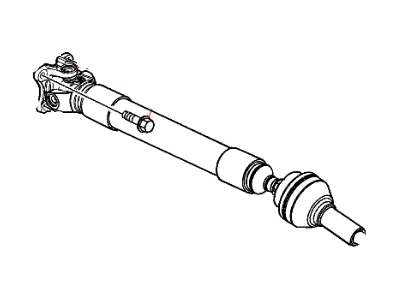
2006 Dodge Ram 2500 Drive Shaft Part Number: 52105993AB
Product Specifications- Other Name: Shaft - Drive; Driveshaft; Shaft Drive Front
- Item Weight: 18.80 Pounds
- Item Dimensions: 41.7 x 5.8 x 5.6 inches
- Condition: New
- Fitment Type: Direct Replacement
- SKU: 52105993AB
- Warranty: This genuine part is guaranteed by Mopar's factory warranty.
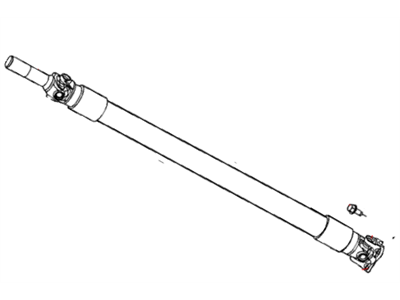
2006 Dodge Ram 2500 Drive Shaft Part Number: 52105653AF
Product Specifications- Other Name: Shaft - Drive; Driveshaft; Shaft Drive Rear 1-Piece
- Item Weight: 35.60 Pounds
- Item Dimensions: 67.4 x 6.9 x 6.8 inches
- Condition: New
- Fitment Type: Direct Replacement
- SKU: 52105653AF
- Warranty: This genuine part is guaranteed by Mopar's factory warranty.
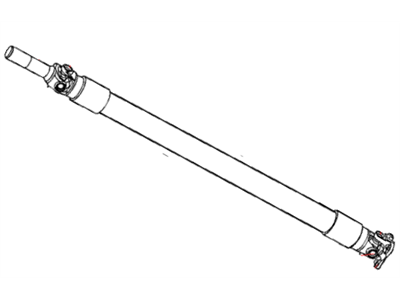
2006 Dodge Ram 2500 Drive Shaft Part Number: 5037437AB
Product Specifications- Other Name: Shaft - Drive; Driveshaft; Shaft Drive Rear 1-Piece
- Item Weight: 16.60 Pounds
- Item Dimensions: 68.5 x 6.1 x 6.1 inches
- Condition: New
- Fitment Type: Direct Replacement
- SKU: 5037437AB
- Warranty: This genuine part is guaranteed by Mopar's factory warranty.
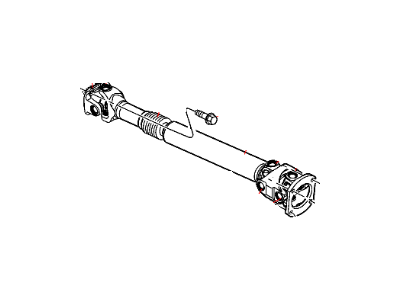
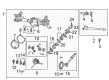
2006 Dodge Ram 2500 Drive Shaft Part Number: 52105931AF
Product Specifications- Other Name: Shaft - Drive; Driveshaft
- Replaces: 52105931AD, 52105931AC, 52105931AE, 52105931AB
- Item Weight: 73.80 Pounds
- Item Dimensions: 35.0 x 5.3 x 5.2 inches
- Condition: New
- Fitment Type: Direct Replacement
- SKU: 52105931AF
- Warranty: This genuine part is guaranteed by Mopar's factory warranty.
2006 Dodge Ram 2500 Drive Shaft Part Number: 52123131AD
Product Specifications- Other Name: Shaft - Drive; Driveshaft
- Replaces: 52123131AB, 52123131AC, 52123131AA
- Item Weight: 30.50 Pounds
- Item Dimensions: 81.7 x 4.9 x 4.9 inches
- Condition: New
- Fitment Type: Direct Replacement
- SKU: 52123131AD
- Warranty: This genuine part is guaranteed by Mopar's factory warranty.
2006 Dodge Ram 2500 Drive Shaft Part Number: 52123148AC
Product Specifications- Other Name: Shaft - Drive; Driveshaft
- Replaces: 52123148AB, 52123097AA, 52123148AA
- Item Weight: 38.00 Pounds
- Item Dimensions: 92.5 x 9.4 x 8.9 inches
- Condition: New
- Fitment Type: Direct Replacement
- SKU: 52123148AC
- Warranty: This genuine part is guaranteed by Mopar's factory warranty.
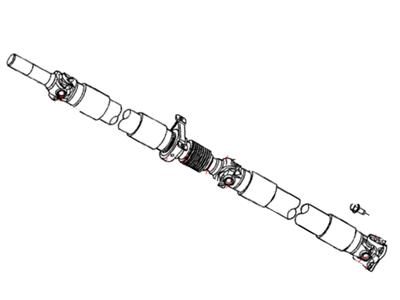
2006 Dodge Ram 2500 Drive Shaft Part Number: 52123132AB
Product Specifications- Other Name: Shaft - Drive; Driveshaft
- Replaces: 52123132AA, 52105634AF
- Item Weight: 71.40 Pounds
- Item Dimensions: 89.8 x 9.0 x 9.2 inches
- Condition: New
- Fitment Type: Direct Replacement
- SKU: 52123132AB
- Warranty: This genuine part is guaranteed by Mopar's factory warranty.
2006 Dodge Ram 2500 Drive Shaft Part Number: 68229944AA
Product Specifications- Other Name: Shaft - Drive; Driveshaft
- Replaces: 52123140AA
- Item Weight: 74.70 Pounds
- Item Dimensions: 92.5 x 9.0 x 9.2 inches
- Condition: New
- Fitment Type: Direct Replacement
- SKU: 68229944AA
- Warranty: This genuine part is guaranteed by Mopar's factory warranty.
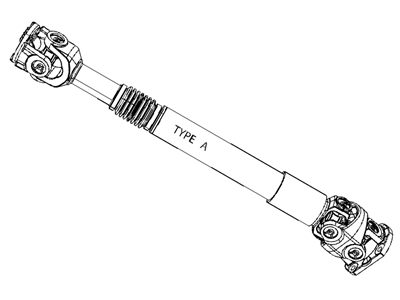
2006 Dodge Ram 2500 Drive Shaft Part Number: 52123111AC
Product Specifications- Other Name: Shaft - Drive; Driveshaft
- Replaces: 52123111AB, 52123111AA
- Item Weight: 28.40 Pounds
- Item Dimensions: 36.6 x 5.1 x 4.4 inches
- Condition: New
- Fitment Type: Direct Replacement
- SKU: 52123111AC
- Warranty: This genuine part is guaranteed by Mopar's factory warranty.
| Page 1 of 2 |Next >
1-20 of 24 Results
2006 Dodge Ram 2500 Drive Shaft Parts and Q&A
- Q: How to Service and Repair a Drive Shaft While Ensuring Proper Propeller Shaft Angles on 2006 Dodge Ram 2500?A: Begin service and repair of the propeller shaft by raising your vehicle, ensuring the axles are equally straight, so the wheels and shaft can move. Set the inclinometer on the machined surface of the C/V joint for A when using a front shaft with a C/V joint. Make sure universal joint snap rings are removed for a flat surface. Roll the shaft until the transmission or transfer case output yoke bearing is turned downward. The measurements of every wheel must be taken front to back on the same side each time. Add the Inclinometer 7663 to the yoke bearing cap or pinion flange ring next to the shaft, level it parallel to the shaft and take the measurement A for the transmission yoke Output Angle. Turn the propeller shaft 90 degrees and sit the inclinometer on the yoke bearing so that it runs along with the shaft and is parallel to it. With the bubble in the center of the sight, read the Propeller Shaft Angle which can also be taken from where the shaft ends at the ship's rear. Change the shaft position by another 90 degrees and position the inclinometer at an angle parallel to the shaft on the companion flange yoke bearing, so the bubble in the sight glass is centered for Companion Flange Input Angle B. First, find the Transmission/Transfer Case Output Operating Angle by subtracting A from C and for the axle Input Operating Angle, deduct B from C. The operating angle of a U-joint should be less than 1 degree when possible, but at least 1/2 of one degree for the continuous operating propeller shaft angle. A two-piece propeller shaft is measured in the same way as a one-piece shaft.
Related 2006 Dodge Ram 2500 Parts
 2006 Dodge Ram 2500 Differential Cover
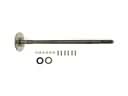 2006 Dodge Ram 2500 Axle Shaft
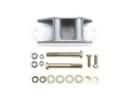 2006 Dodge Ram 2500 Carrier Bearing Spacer
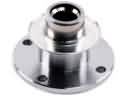 2006 Dodge Ram 2500 CV Joint Companion Flange
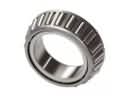 2006 Dodge Ram 2500 Differential Bearing
 2006 Dodge Ram 2500 Differential Cover Gasket
 2006 Dodge Ram 2500 Driveshaft Yokes
 2006 Dodge Ram 2500 Mainshaft Washer
 2006 Dodge Ram 2500 Pinion Bearing
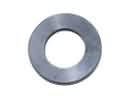 2006 Dodge Ram 2500 Pinion Washer
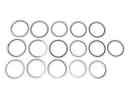 2006 Dodge Ram 2500 Transfer Case Shim
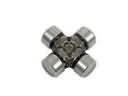 2006 Dodge Ram 2500 Universal Joint