JeepParts
My Garage
My Account
Cart
OEM 2007 Jeep Patriot Brake Master Cylinder
- Select Vehicle by Model
- Select Vehicle by VIN
Select Vehicle by Model
orMake
Model
Year
Select Vehicle by VIN
For the most accurate results, select vehicle by your VIN (Vehicle Identification Number).
1 Brake Master Cylinder found
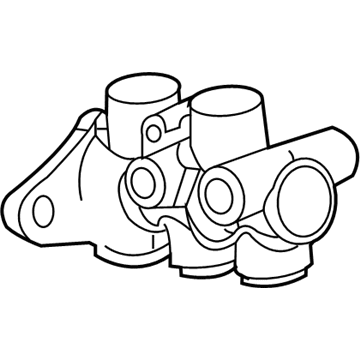

2007 Jeep Patriot Master Cylinder Part Number: 5175093AB
Product Specifications- Other Name: Cylinder - Brake; Brake Master Cylinder; Clutch Master Cylinder; Master Cylinder Brake
- Replaces: 5175093AA
- Item Weight: 1.90 Pounds
- Item Dimensions: 10.1 x 6.0 x 5.2 inches
- Condition: New
- Fitment Type: Direct Replacement
- SKU: 5175093AB
- Warranty: This genuine part is guaranteed by Mopar's factory warranty.
2007 Jeep Patriot Brake Master Cylinder Parts and Q&A
- Q: How to Remove and Replace a Brake Master Cylinder on 2007 Jeep Patriot?A: Before you remove and replace the brake master cylinder, bench bleed it first. Thoroughly wipe down the area on your power brake booster where the vacuum seal attaches to the master cylinder, so no dirt or cleaner goes into the booster. If the vacuum seal originally there is not new, then remove it and add the new seal into the groove so that it is straight. Should there be resistance when pushing in, adjust the orientation of the master cylinder push rod with the booster push rod prior to trying again. Set the master cylinder's bolt holes over the mounting studs on the power brake booster; when the push rod from the master cylinder is in line with the booster's push rod, slide the master cylinder all the way in until its face meets the booster. Place two new nuts (3) on the mounting holes of the master cylinder and tighten each to 25 Nm (18 ft. lbs.). If a new reservoir is being put in a manual transaxle, open the hydraulic clutch port (1) by cutting the clutch actuator port at the center of the "V" groove (2) and discard the broken plug (3). Press the clutch actuator hose (2) over the reservoir port (1) and place the hose clamp just past the bulging bead on the reservoir. Join both primary and secondary brake tubes to the things out of the master cylinder and make sure to tighten the nuts of both tubes to 17 Nm or 150 in. lbs. It is required to place a reservoir blocker (1) over the fluid reservoir (2) to stave off any fires if there is an accident; remove it by releasing the retaining tab (3), form a ring around the reservoir neck with the blocker, seal it and securely snap the retaining tab into place. Connect the negative (ground) cable back to the battery and bring the reservoir in the master cylinder to the correct level. Never attempt to drive the vehicle unless the brake pedal is firm; if it isn't, bleed the hydraulic brakes and check for puddles of fluid on the floor under the car. Take the vehicle for a drive to ensure everything with the brakes is working as it should.
Related 2007 Jeep Patriot Parts
 2007 Jeep Patriot Speed Sensor
 2007 Jeep Patriot Brake Caliper
 2007 Jeep Patriot ABS Control Module
 2007 Jeep Patriot Brake Booster
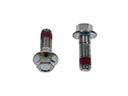 2007 Jeep Patriot Brake Caliper Bolt
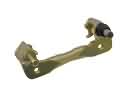 2007 Jeep Patriot Brake Caliper Bracket
 2007 Jeep Patriot Brake Disc
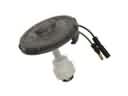 2007 Jeep Patriot Brake Fluid Level Sensor
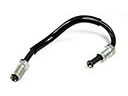 2007 Jeep Patriot Brake Line
 2007 Jeep Patriot Hydraulic Hose
 2007 Jeep Patriot Parking Brake Shoe
 2007 Jeep Patriot Wheel Stud