JeepParts
My Garage
My Account
Cart
OEM Chrysler 300 Crankshaft Position Sensor
Engine Crankshaft Position Sensor- Select Vehicle by Model
- Select Vehicle by VIN
Select Vehicle by Model
orMake
Model
Year
Select Vehicle by VIN
For the most accurate results, select vehicle by your VIN (Vehicle Identification Number).
9 Crankshaft Position Sensors found
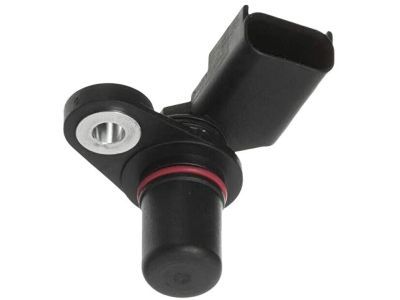
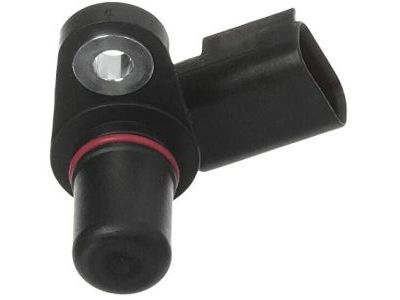
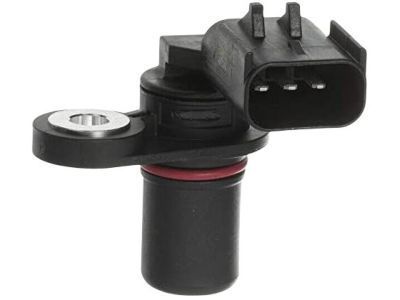
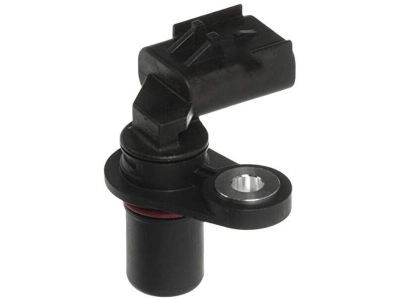
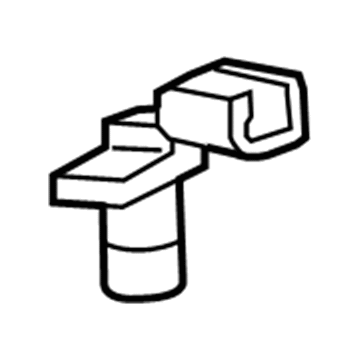
Chrysler 300 Crankshaft Position Sensor Part Number: 56028815AB
$146.07 MSRP: $220.00You Save: $73.93 (34%)Ships in 1-2 Business Days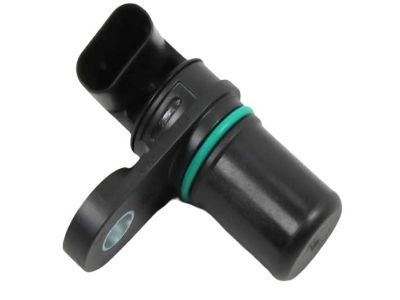
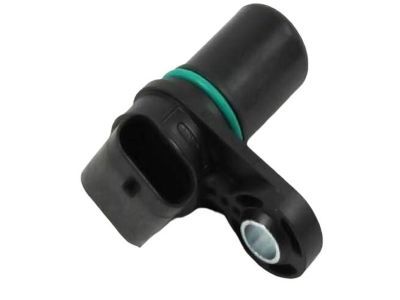
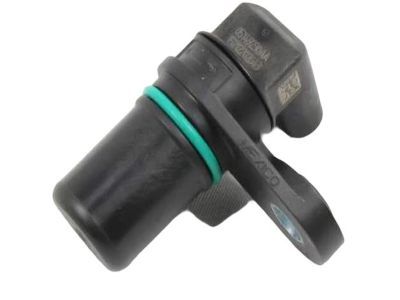
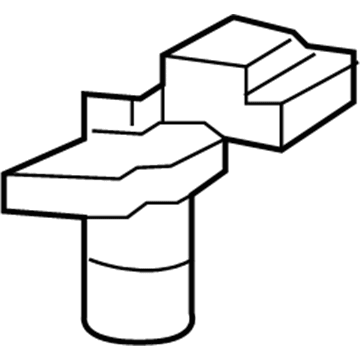
Chrysler 300 Crankshaft Position Sensor Part Number: 5149230AA
$63.33 MSRP: $93.40You Save: $30.07 (33%)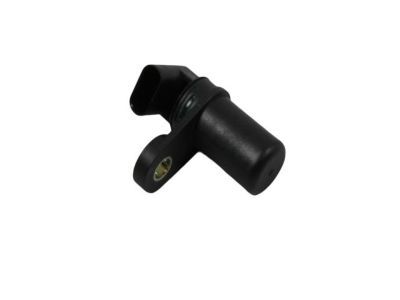
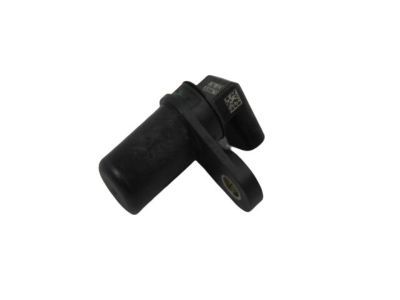
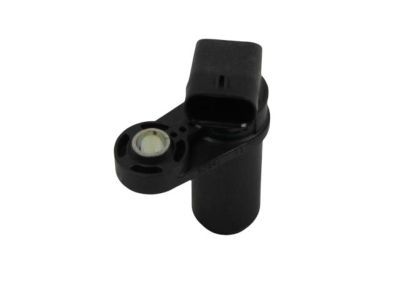
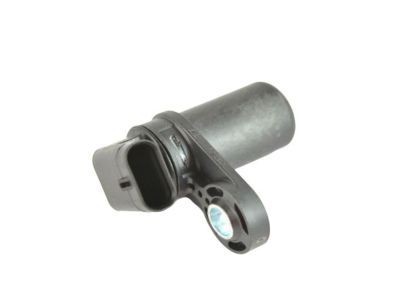

Chrysler 300 Crankshaft Position Sensor Part Number: 5029811AD
$75.91 MSRP: $112.00You Save: $36.09 (33%)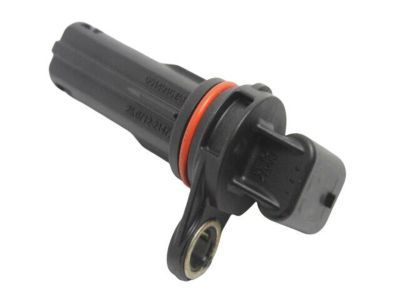
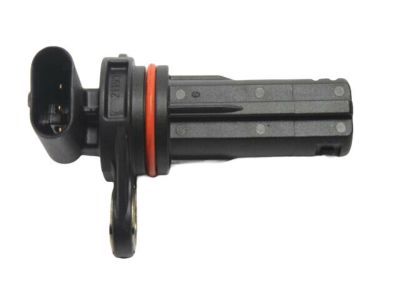
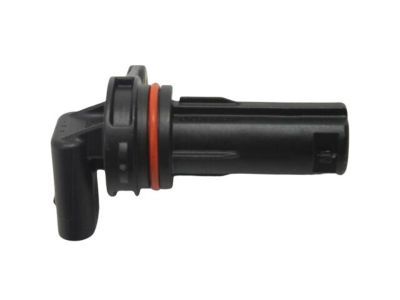
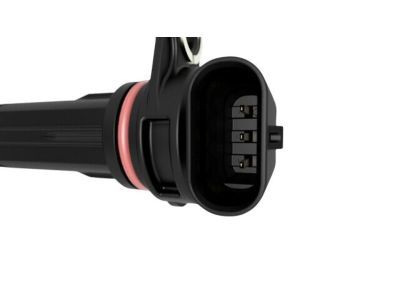
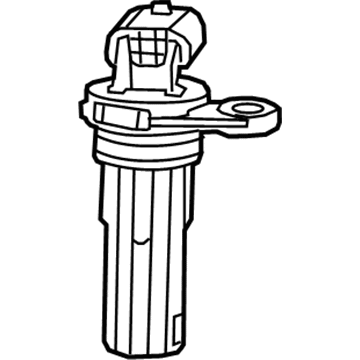
Chrysler 300 Crankshaft Position Sensor Part Number: 5149167AF
$88.71 MSRP: $131.00You Save: $42.29 (33%)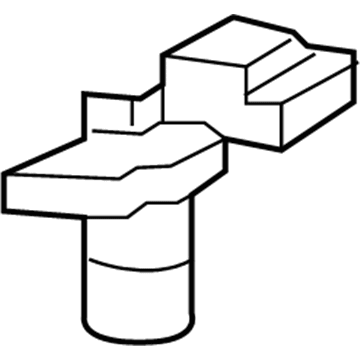
Chrysler 300 Crankshaft Position Sensor Part Number: 68477925AB
$74.71 MSRP: $112.00You Save: $37.29 (34%)Ships in 1-2 Business Days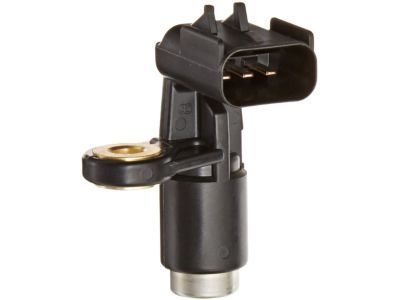
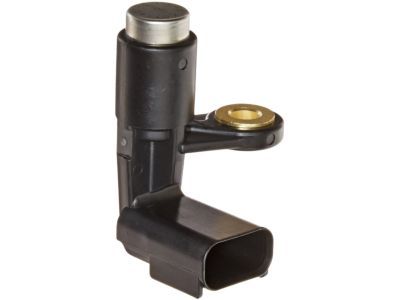
Chrysler 300 Crankshaft Position Sensor Part Number: 4727451AA
$56.61 MSRP: $81.35You Save: $24.74 (31%)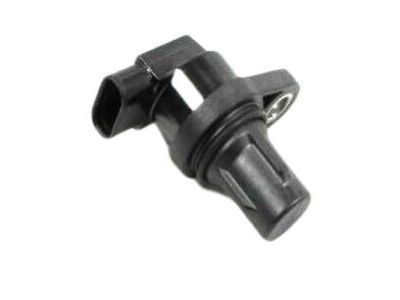
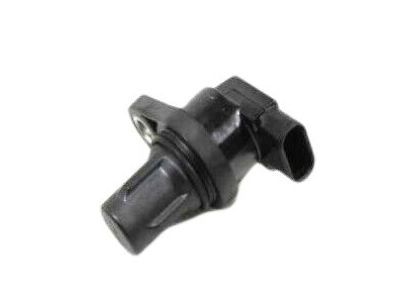
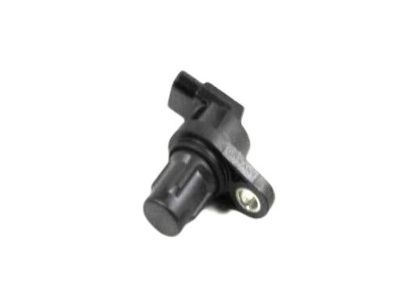
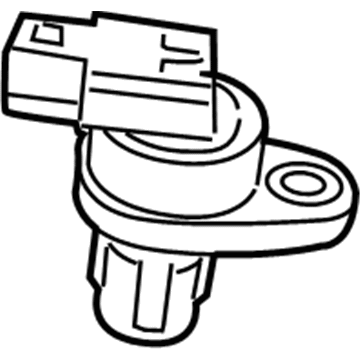
Chrysler 300 Crankshaft Position Sensor Part Number: 5029808AD
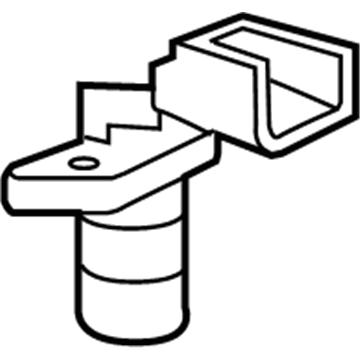
Chrysler 300 Crankshaft Position Sensor Part Number: 56028373AB
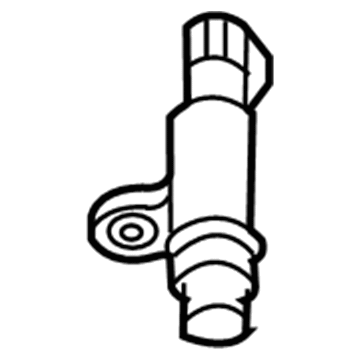
Chrysler 300 Crankshaft Position Sensor Part Number: 5149009AD
$82.94 MSRP: $125.00You Save: $42.06 (34%)
Chrysler 300 Crankshaft Position Sensor
Choose OEM Crankshaft Position Sensor that meet Chrysler factory standards. Chrysler designs and tests every component for precision and durability. Each Crankshaft Position Sensor follows strict manufacturing steps to lock in quality and fit. If your Chrysler 300 matters to you, OEM parts make the smart choice. You'll get the exact look, feel, and performance you expect. Shop genuine 300 parts at the highly competitive prices online. Enjoy a manufacturer's warranty, a hassle-free return policy, and rapid delivery. No more guesswork with off brands. Get genuine parts with exact fit and true factory performance. Shop with confidence today at JeepPartsDeal.com.
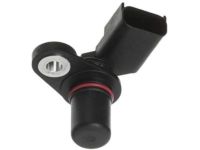
The Chrysler 300 has a Crankshaft Position Sensor that monitors the position and speed of the crankshaft while delivering that important data to the engine control unit to optimize ignition and fuel injection timing. Found on every Chrysler 300 vehicle, the Crankshaft Position Sensor is mounted close to the main crank pulley, flywheel, camshaft, or directly on the crankshaft. The Crankshaft Position Sensor detects the movement of toothed or slotted targets and changes this motion into electrical impulses utilized for engine management. When the Crankshaft Position Sensor begins malfunctioning, this can make it hard to start, stall, misfire, have a rough idle, or run sluggishly. Moreover, the control module will no longer receive reliable crankshaft phase information. Chrysler 300 vehicles' engine design may use one of various sensor technologies. Inductive sensors generate a signal passively as the distance between the object changes in response to changing magnetic fields. Hall-effect and magnetoresistive type sensors react to a static magnetic field. Optical sensors can detect the edge of the object by taking notice of interruptions in light. However, optical sensors are sensitive to dirt. The differences give these Crankshaft Position Sensors a variety of mounting locations. Each Crankshaft Position Sensor, regardless of type, is sealed to resist heat and vibration, corrosion, and fluids. These sensors allow communication between the Chrysler 300 engine's rotating assembly and the control electronics.
Chrysler 300 Crankshaft Position Sensor Parts and Q&A
- Q:How to service the Crankshaft Position Sensor on Chrysler 300?A:Before servicing the Crankshaft Position Sensor, disconnect the negative battery terminal. Next, lift and secure the vehicle. To begin, unlock and detach the electrical connector, remove the mounting bolt, followed by the sensor itself. To install, position new sensor and tighten mounting bolt to 12 N.m. (105 in. lbs.). Reconnect the electrical connector and lock it in place, lower the car, and reconnect the negative battery terminal.
- Q:How to install the Crankshaft Position Sensor on a 2.7L engine on Chrysler 300?A:To fit the 2.7L engine Crankshaft Position Sensor, you first fit this sensor and then secure to the mounting bolt tightening it to a torque of 12Nm (106 in. lbs). After that, plug in the electrical connector and lock it in place. Once done, lower the vehicle and reconnect the negative battery cable.
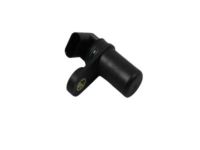
Related Chrysler 300 Parts
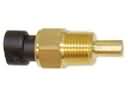 Chrysler 300 Coolant Temperature Sensor
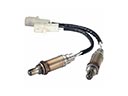 Chrysler 300 Oxygen Sensor
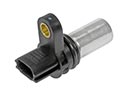 Chrysler 300 Camshaft Position Sensor
 Chrysler 300 Knock Sensor
 Chrysler 300 MAP Sensor
 Chrysler 300 Engine Control Module
 Chrysler 300 Igniter
 Chrysler 300 Ignition Control Module
 Chrysler 300 Intake Manifold Temperature Sensor
 Chrysler 300 Mass Air Flow Sensor
 Chrysler 300 Spark Plug
 Chrysler 300 Temperature Sender