JeepParts
My Garage
My Account
Cart
OEM Chrysler Cirrus Brake Rotor
Disc Rotor- Select Vehicle by Model
- Select Vehicle by VIN
Select Vehicle by Model
orMake
Model
Year
Select Vehicle by VIN
For the most accurate results, select vehicle by your VIN (Vehicle Identification Number).
3 Brake Rotors found
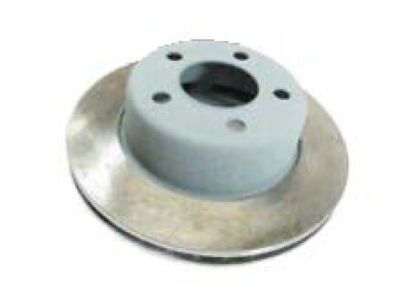
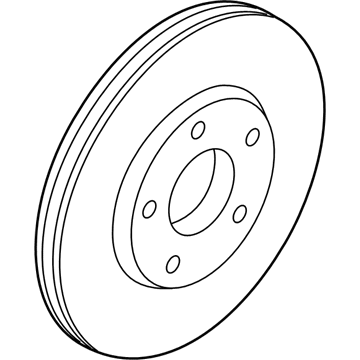

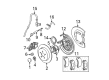
Chrysler Cirrus Brake Rotor, Front Part Number: 4879138AE
$31.73 MSRP: $125.00You Save: $93.27 (75%)Ships in 1-2 Business Days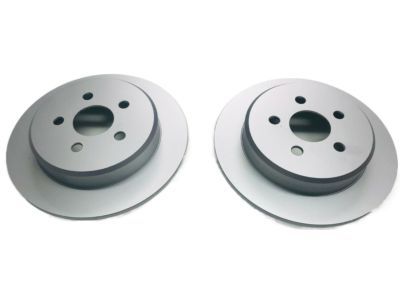
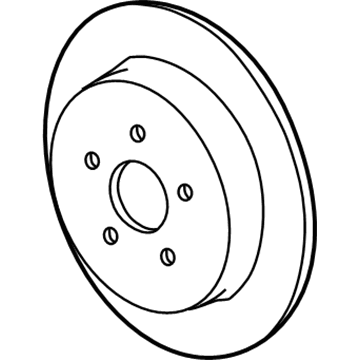
Chrysler Cirrus Rotor, Rear Part Number: 5085651AD
$132.49Ships in 1-2 Business Days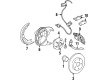
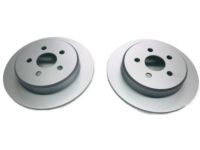
Chrysler Cirrus Brake Rotor Part Number: 4879229AB
$99.60 MSRP: $173.00You Save: $73.40 (43%)Ships in 1-2 Business Days
Chrysler Cirrus Brake Rotor
Choose OEM Brake Rotor that meet Chrysler factory standards. Chrysler designs and tests every component for precision and durability. Each Brake Rotor follows strict manufacturing steps to lock in quality and fit. If your Chrysler Cirrus matters to you, OEM parts make the smart choice. You'll get the exact look, feel, and performance you expect. Shop genuine Cirrus parts at the highly competitive prices online. Enjoy a manufacturer's warranty, a hassle-free return policy, and rapid delivery. No more guesswork with off brands. Get genuine parts with exact fit and true factory performance. Shop with confidence today at JeepPartsDeal.com.
Chrysler Cirrus Brake Rotor Parts and Q&A
- Q:Is Brake Rotor Refacing Essential with Every Brake Pad Replacement on Chrysler Cirrus?A:Most of the time, replacing the rotor is unnecessary with a brake pad change, but it's important to reface it if the surface is damaged or scratchy. If this happens, the rotor can be refaced using a hub-mounted on-car brake lathe or replaced. A hub-mounted on-car brake lathe is preferred as it guarantees the rotor is correctly aligned with the vehicle's hub and bearing, reducing runout. All rotors include minimum thickness information on the un-machined portion, showing how little they may be ground. Machining the rotor at a thickness below this value is not allowed. Clean off any chips, rust or dirt from the rotor face and the hub adapters before you start installation. Make sure to follow all the manufacturer's directions when using the brake lathe and turn both sides of the rotor at once to prevent uneven cuts. The TIR and thickness must be maintained within acceptable limits during refacing, so great attention is needed in the way the rotor turning machines are operated.
Related Chrysler Cirrus Parts
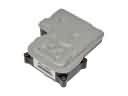 Chrysler Cirrus ABS Control Module
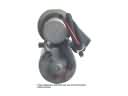 Chrysler Cirrus ABS Pump And Motor Assembly
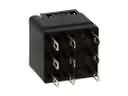 Chrysler Cirrus ABS Relay
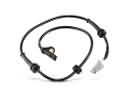 Chrysler Cirrus ABS Sensor
 Chrysler Cirrus Brake Caliper
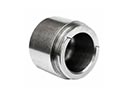 Chrysler Cirrus Brake Caliper Piston
 Chrysler Cirrus Brake Caliper Repair Kit
 Chrysler Cirrus Brake Shoe Set
 Chrysler Cirrus Parking Brake Cable
 Chrysler Cirrus Speed Sensor
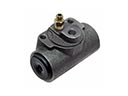 Chrysler Cirrus Wheel Cylinder
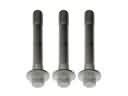 Chrysler Cirrus Wheel Hub Bolt