JeepParts
My Garage
My Account
Cart
OEM Chrysler PT Cruiser Clutch Fork
Release Fork- Select Vehicle by Model
- Select Vehicle by VIN
Select Vehicle by Model
orMake
Model
Year
Select Vehicle by VIN
For the most accurate results, select vehicle by your VIN (Vehicle Identification Number).
1 Clutch Fork found
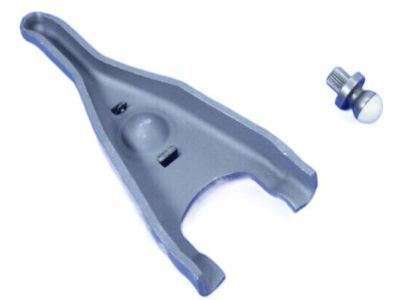
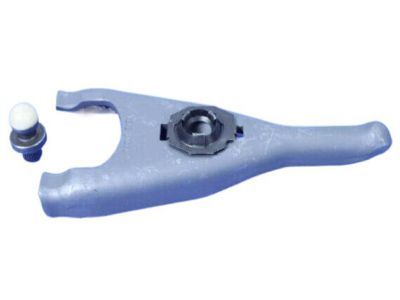
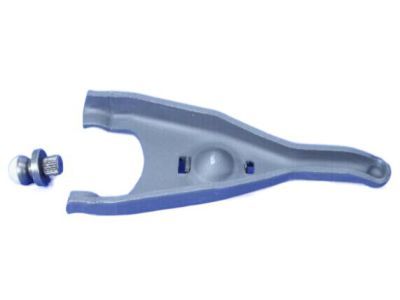
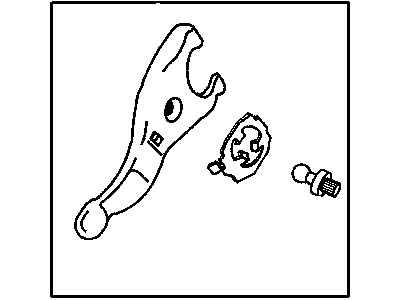
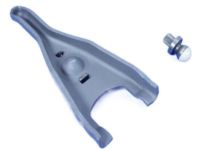
Chrysler PT Cruiser Release Fork Part Number: 4796665
Chrysler PT Cruiser Clutch Fork
Choose OEM Clutch Fork that meet Chrysler factory standards. Chrysler designs and tests every component for precision and durability. Each Clutch Fork follows strict manufacturing steps to lock in quality and fit. If your Chrysler PT Cruiser matters to you, OEM parts make the smart choice. You'll get the exact look, feel, and performance you expect. Shop genuine PT Cruiser parts at the highly competitive prices online. Enjoy a manufacturer's warranty, a hassle-free return policy, and rapid delivery. No more guesswork with off brands. Get genuine parts with exact fit and true factory performance. Shop with confidence today at JeepPartsDeal.com.
Chrysler PT Cruiser Clutch Fork Parts and Q&A
- Q:How to Service and Repair a Clutch Fork on Chrysler PT Cruiser?A:First, take out the transaxle from your vehicle to service and repair the clutch release fork. Stand the lever and the bearing assembly vertically, secure each finger in one of the holes of the pivot stud and evenly pull to release the lever from the pivot-stud so you do not damage the spring clip. Lift the bearing thrust plate assembly off the ended device, avoiding damage to the retention tabs on the bearing. See if the motor's bearing, already lubricated and sealed, is not soaked in oil or solvent; it should rotate smoothly after you press it lightly and normally drag oil. If the movement of the bearing is not smooth or there is a noise, then it's important to replace the whole assembly. If you find any damage or distortion on the back side pivot stud spring clips, the clutch fork must be replaced. Put a drop of grease in the fork pivot ball pocket and also on the bottom of each fork arm. Attach the fork to the bearing so the bearing's small sockets are over the fork arms, then slide the pair onto the input shaft bearing retainer as one piece. Lock the clutch fork onto the pivot ball and firmly install the transaxle assembly once more.
Related Chrysler PT Cruiser Parts
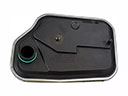 Chrysler PT Cruiser Automatic Transmission Filter
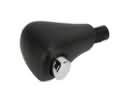 Chrysler PT Cruiser Automatic Transmission Shift Levers
 Chrysler PT Cruiser Automatic Transmission Shifter
 Chrysler PT Cruiser Axle Shaft
 Chrysler PT Cruiser Clutch Cable
 Chrysler PT Cruiser Clutch Release Bearing
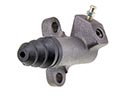 Chrysler PT Cruiser Clutch Slave Cylinder
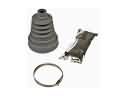 Chrysler PT Cruiser CV Boot
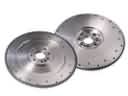 Chrysler PT Cruiser Flywheel
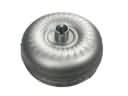 Chrysler PT Cruiser Torque Converter
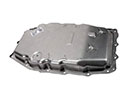 Chrysler PT Cruiser Transmission Pan