JeepParts
My Garage
My Account
Cart
OEM Chrysler Voyager Backing Plate
Brake Dust Shield- Select Vehicle by Model
- Select Vehicle by VIN
Select Vehicle by Model
orMake
Model
Year
Select Vehicle by VIN
For the most accurate results, select vehicle by your VIN (Vehicle Identification Number).
10 Backing Plates found
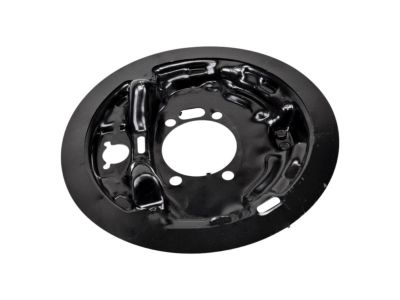
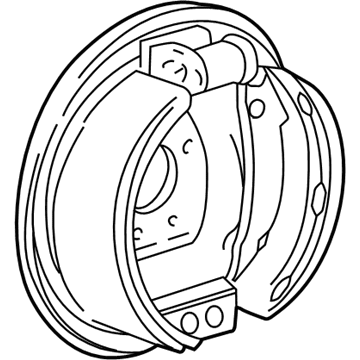

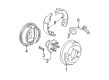
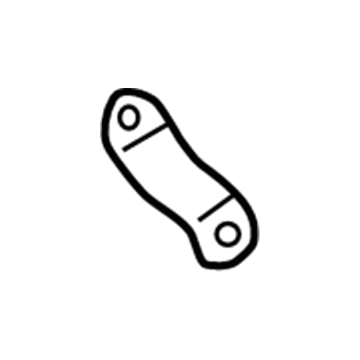
Chrysler Voyager Backing Plate, Rear Passenger Side Part Number: 5016612AA
$86.71Ships in 1-2 Business Days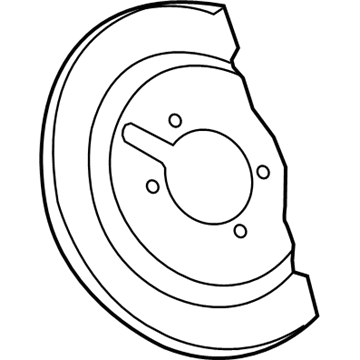
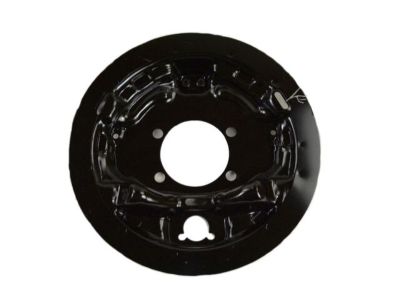
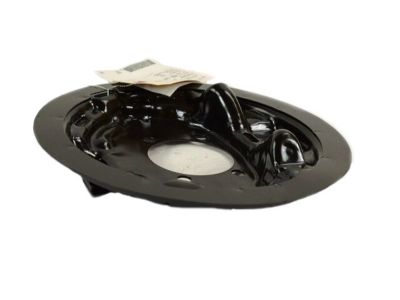
Chrysler Voyager Splash Shield, Rear Passenger Side Part Number: 68223510AB
$10.85 MSRP: $15.80You Save: $4.95 (32%)Ships in 1-2 Business DaysChrysler Voyager Splash Shield, Rear Driver Side Part Number: 68223511AB
$10.79 MSRP: $15.50You Save: $4.71 (31%)Ships in 1-2 Business Days
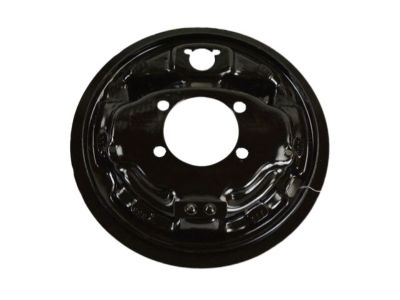
Chrysler Voyager Splash Shield Part Number: 68353544AB
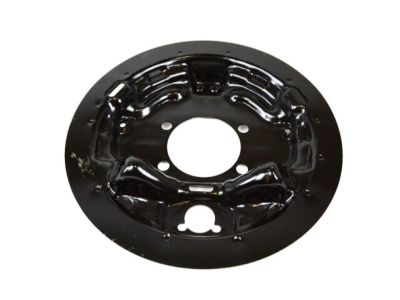
$6.55 MSRP: $9.45You Save: $2.90 (31%)Ships in 1 Business DayChrysler Voyager Splash Shield Part Number: 68353545AB
$6.32 MSRP: $9.10You Save: $2.78 (31%)Ships in 1-2 Business Days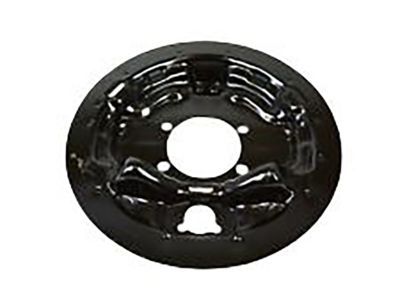
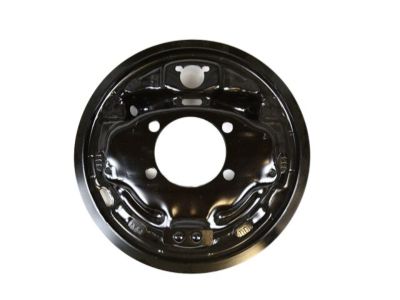
Chrysler Voyager Backing Plate
Choose OEM Backing Plate that meet Chrysler factory standards. Chrysler designs and tests every component for precision and durability. Each Backing Plate follows strict manufacturing steps to lock in quality and fit. If your Chrysler Voyager matters to you, OEM parts make the smart choice. You'll get the exact look, feel, and performance you expect. Shop genuine Voyager parts at the highly competitive prices online. Enjoy a manufacturer's warranty, a hassle-free return policy, and rapid delivery. No more guesswork with off brands. Get genuine parts with exact fit and true factory performance. Shop with confidence today at JeepPartsDeal.com.
Chrysler Voyager Backing Plate Parts and Q&A
- Q:How to service and repair the Backing Plate on a drum brake on Chrysler Voyager?A:To service and repair the backing plate for the drum brake, first use a brake pedal depressor to secure the brake pedal past its first inch of travel to prevent brake fluid from draining from the master cylinder when disconnecting the brake tube from the wheel cylinder, then raise the vehicle and remove the wheel and tire assembly. Disconnect the brake tube from the rear of the wheel cylinder and cap the open ends, followed by removing the brake drum and the brake shoes from the brake support plate. Next, remove the two bolts attaching the wheel cylinder to the brake support plate and take out the wheel cylinder. Disconnect the park brake cable from the park brake actuation lever, then compress the flared legs on the park brake cable retainer using a suitable tool like a 14 mm box wrench or an aircraft type hose clamp, and pull the park brake cable out of the brake support plate. Remove the rear hub and bearing, then take off the rear brake support plate from the rear axle. For installation, start by placing the four hub and bearing to axle mounting bolts into the mounting holes in the flange of the rear axle, then install the rear brake support plate on these bolts. Next, install the rear hub and bearing, connecting the wheel speed sensor if applicable, but stop short of installing the brake drum. Insert the rear park brake cable into its mounting hole in the rear brake support plate and attach it to the park brake actuation lever. Apply sealant such as Mopar Gasket-In-A-Tube around the wheel cylinder opening in the brake support plate, then install the wheel cylinder onto the brake support and tighten the attaching bolts to 8 Nm (75 in. lbs.) torque. Connect the brake tube to the wheel cylinder and tighten the tube nut to 17 Nm (145 in. lbs.) torque. Install the rear brake shoes on the brake support plate, followed by the brake drum, and then the wheel and tire, tightening the wheel stud nuts to 135 Nm (100 ft. lbs.). Adjust the drum brake shoes, remove the brake pedal depressor tool, bleed the brake system as necessary, and finally lower the vehicle.
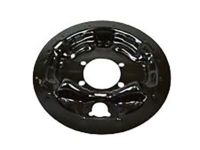
Related Chrysler Voyager Parts
 Chrysler Voyager Brake Pads
 Chrysler Voyager ABS Control Module
 Chrysler Voyager Brake Caliper Bolt
 Chrysler Voyager Brake Caliper Bracket
 Chrysler Voyager Brake Caliper Piston
 Chrysler Voyager Brake Caliper Repair Kit
 Chrysler Voyager Brake Controller
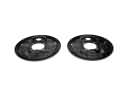 Chrysler Voyager Brake Dust Shields
 Chrysler Voyager Brake Line
 Chrysler Voyager Brake Rotor
 Chrysler Voyager Speed Sensor
 Chrysler Voyager Wheel Hub Bolt