JeepParts
My Garage
My Account
Cart
OEM Dodge Dakota Flasher Relay
Indicator Flasher Relay- Select Vehicle by Model
- Select Vehicle by VIN
Select Vehicle by Model
orMake
Model
Year
Select Vehicle by VIN
For the most accurate results, select vehicle by your VIN (Vehicle Identification Number).
4 Flasher Relays found
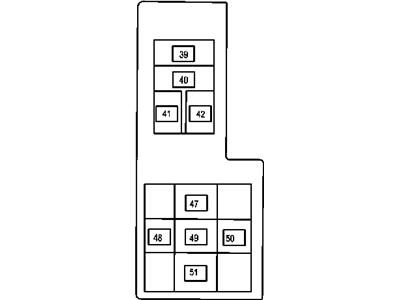
Dodge Dakota Flasher Relay Part Number: 68499015AA
$53.15 MSRP: $73.50You Save: $20.35 (28%)Ships in 1-2 Business Days
Dodge Dakota Turn Signal Flasher Part Number: 68499030AA
$144.95 MSRP: $221.51You Save: $76.56 (35%)Ships in 1-2 Business DaysDodge Dakota Turn Signal Flasher Part Number: 68499026AA
$49.73 MSRP: $64.16You Save: $14.43 (23%)Ships in 1-2 Business Days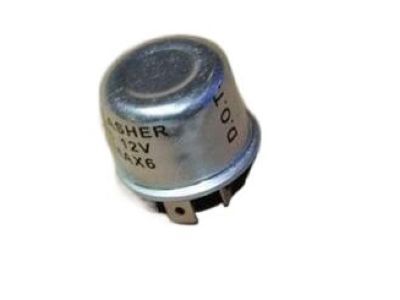
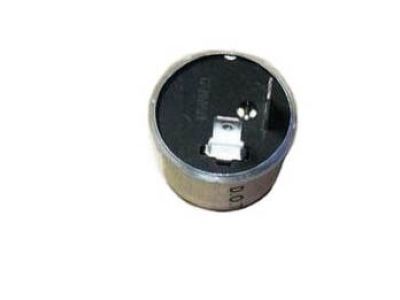
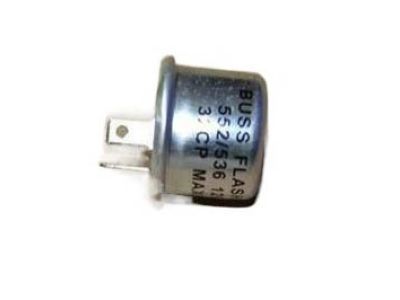
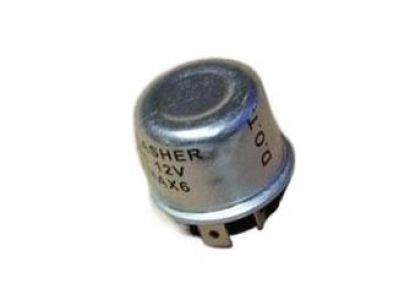
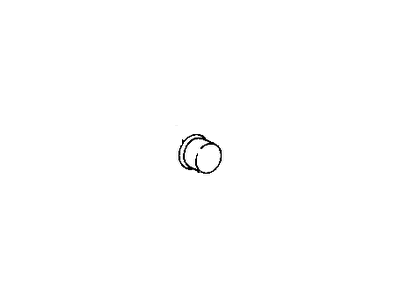
Dodge Dakota Turn Signal Flasher Part Number: 2932877
Dodge Dakota Flasher Relay
Choose OEM Flasher Relay that meet Dodge factory standards. Dodge designs and tests every component for precision and durability. Each Flasher Relay follows strict manufacturing steps to lock in quality and fit. If your Dodge Dakota matters to you, OEM parts make the smart choice. You'll get the exact look, feel, and performance you expect. Shop genuine Dakota parts at the highly competitive prices online. Enjoy a manufacturer's warranty, a hassle-free return policy, and rapid delivery. No more guesswork with off brands. Get genuine parts with exact fit and true factory performance. Shop with confidence today at JeepPartsDeal.com.
The Flasher Relay of the Dodge Dakota enables the truck's turn signal and hazard lights to blink reliably and at an even rate. This small electrical Flasher Relay that opens and closes the indicator circuit rapidly enough to prevent hyper flash when one bulb is changed and prevents slow flash when extra trailer load is connected. In case of malfunction of Dakota Flasher Relay, lights may freeze or flash, replacement needs to be carried out quickly to ensure night visibility and safety of day time signalling. Regularly checking the Flasher Relay helps in avoiding sudden breakdowns. Apart from this crucial component, the Dodge Dakota itself garners accolades for its muscular yet fuel-efficient power units, 3.9-liter V6, 5.2-liter V8. Subsequently, it acquired a 5.9-liter R/T variant which excites drivers with extra horsepower and sport-tuned suspension. The Dakota's body-on-frame construction is solid enough to manage a hefty payload, while the available Quad Cab increases family comfort. The 45RFE automatic transmission, optional 4WD, and the fitment of standard airbags and leather seats mean that the everyday Dodge Dakota blends toughness into everyday life. Dodge owners are also noted for their wide wheel choices that customize stance, handling, and ride without sacrificing dependable performance that keeps Dodge working long after the odometer climbs high. To install the device, first, disconnect the battery. Then, take the old relay out of the fuse box and snap in the replacement. Afterward, reconnect the power and test your signals.
Related Dodge Dakota Parts
 Dodge Dakota Fuel Pump Relay
 Dodge Dakota Headlight Relay
 Dodge Dakota Starter Relay
 Dodge Dakota Turn Signal Relay
 Dodge Dakota Cooling Fan Relay
 Dodge Dakota Engine Control Module
 Dodge Dakota Horn Relay
 Dodge Dakota HVAC Relay
 Dodge Dakota Igniter
 Dodge Dakota Ignition Relay
 Dodge Dakota Radiator Fan Relay
 Dodge Dakota Relay