JeepParts
My Garage
My Account
Cart
OEM Dodge Dakota Turn Signal Relay
Signal Flasher Relay- Select Vehicle by Model
- Select Vehicle by VIN
Select Vehicle by Model
orMake
Model
Year
Select Vehicle by VIN
For the most accurate results, select vehicle by your VIN (Vehicle Identification Number).
4 Turn Signal Relays found
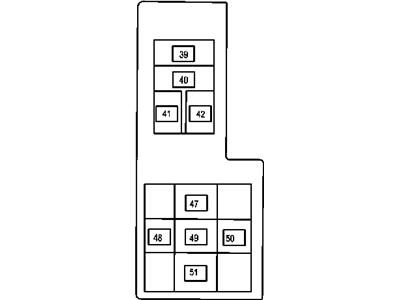
Dodge Dakota Flasher Relay Part Number: 68499015AA
$53.15 MSRP: $73.50You Save: $20.35 (28%)Ships in 1-2 Business Days
Dodge Dakota Turn Signal Flasher Part Number: 68499030AA
$144.95 MSRP: $221.51You Save: $76.56 (35%)Ships in 1-2 Business DaysDodge Dakota Turn Signal Flasher Part Number: 68499026AA
$49.73 MSRP: $64.16You Save: $14.43 (23%)Ships in 1-2 Business Days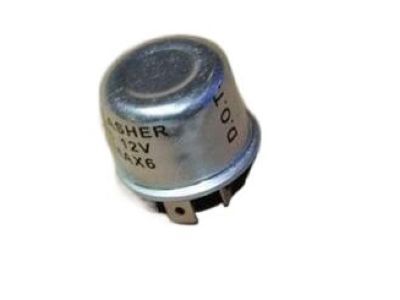
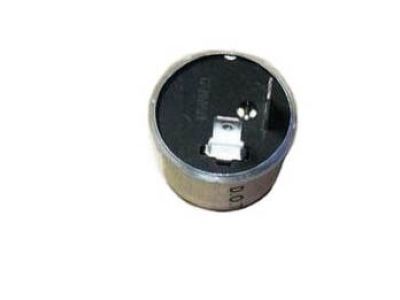
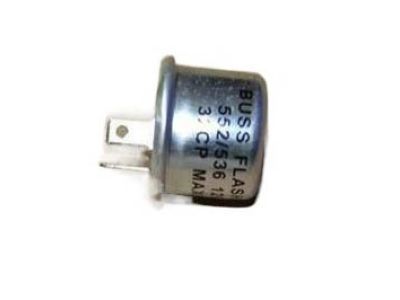
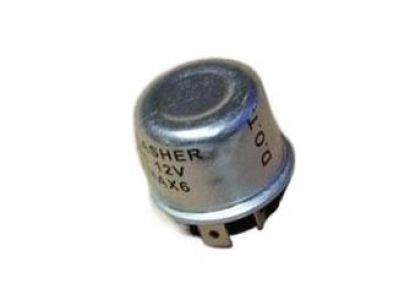
Dodge Dakota Turn Signal Flasher Part Number: 2932877
Dodge Dakota Turn Signal Relay
Choose OEM Turn Signal Relay that meet Dodge factory standards. Dodge designs and tests every component for precision and durability. Each Turn Signal Relay follows strict manufacturing steps to lock in quality and fit. If your Dodge Dakota matters to you, OEM parts make the smart choice. You'll get the exact look, feel, and performance you expect. Shop genuine Dakota parts at the highly competitive prices online. Enjoy a manufacturer's warranty, a hassle-free return policy, and rapid delivery. No more guesswork with off brands. Get genuine parts with exact fit and true factory performance. Shop with confidence today at JeepPartsDeal.com.
The Dodge Dakota Turn Signal Relay facilitates even blinking in the indicator lights while protecting the sensitive wiring. This gives other drivers a clear indication when you are changing lanes. The Dodge Dakota gained a following after the stout 3.9L V6 and muscular 5.2L or 5.9L V8 options came on stream. Combined with solid 45RFE automatic shifting, it is an interesting choice. Instead of short-box heights, it has midsize functionality. While it manages to remain a micro truck, it has real truck's towing ability. The quad cab versions have spacious seating to fit your buddies easily, while the safety update in 1994 brought along airbags that offer confidence throughout your daily drive. The Dakota platform's mix of city agility and off-road toughness draws owners who demand one vehicle that can do it all. This is a proud Dodge heritage, and original parts help keep it that way. The competent electrical system contains the Turn Signal Relay. The relay is a small switch that sends a pulsing current through the electromagnet to the bulbs in a timed on-off sequence. The Turn Signal Relay uses its contacts to control heavy lamp loads, which prevents overheating of the steering column switch and allows for maintenance of a flash rate when a trailer is connected. By replacing the Turn Signal Relay on your Dodge Dakota, you restore the blinkers' factory timing. To install, remove the battery, plug in the new relay at the fuse box, reconnect, and test.
Related Dodge Dakota Parts
 Dodge Dakota Key Fob
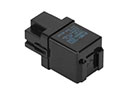 Dodge Dakota Flasher Relay
 Dodge Dakota Fuel Pump Relay
 Dodge Dakota Starter Relay
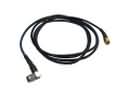 Dodge Dakota Antenna Cable
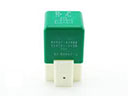 Dodge Dakota Cooling Fan Relay
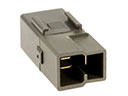 Dodge Dakota Horn Relay
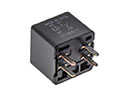 Dodge Dakota HVAC Relay
 Dodge Dakota Ignition Relay
 Dodge Dakota Radiator Fan Relay
 Dodge Dakota Relay
 Dodge Dakota Tachometer