JeepParts
My Garage
My Account
Cart
OEM Dodge Durango Wheel Cylinder
Brake Wheel Cylinder- Select Vehicle by Model
- Select Vehicle by VIN
Select Vehicle by Model
orMake
Model
Year
Select Vehicle by VIN
For the most accurate results, select vehicle by your VIN (Vehicle Identification Number).
4 Wheel Cylinders found
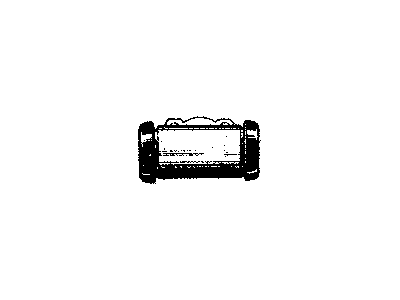
Dodge Durango Wheel Cylinder Part Number: 4088899
$77.65 MSRP: $98.44You Save: $20.79 (22%)Ships in 1-2 Business DaysDodge Durango Wheel Cylinder Part Number: 4088898
$97.06 MSRP: $123.04You Save: $25.98 (22%)Ships in 1-2 Business Days
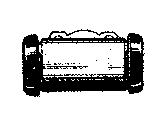
Dodge Durango Wheel Cylinder Part Number: 4761748AB
$65.63 MSRP: $78.44You Save: $12.81 (17%)Ships in 1-2 Business DaysDodge Durango Wheel Cylinder Part Number: 4761749AB
$64.01 MSRP: $91.80You Save: $27.79 (31%)Ships in 1-2 Business Days
Dodge Durango Wheel Cylinder
Choose OEM Wheel Cylinder that meet Dodge factory standards. Dodge designs and tests every component for precision and durability. Each Wheel Cylinder follows strict manufacturing steps to lock in quality and fit. If your Dodge Durango matters to you, OEM parts make the smart choice. You'll get the exact look, feel, and performance you expect. Shop genuine Durango parts at the highly competitive prices online. Enjoy a manufacturer's warranty, a hassle-free return policy, and rapid delivery. No more guesswork with off brands. Get genuine parts with exact fit and true factory performance. Shop with confidence today at JeepPartsDeal.com.
The Wheel Cylinder in Dodge Durango vehicles plays a specific function of exerting pressure on the brake shoes to make them in contact with the brake drum with a view of reducing the speed or halting the vehicle. This hydraulic system has pistons, cup seals, and an expander spring housed in the cast iron or aluminum body to achieve this intends. The pistons on the other hand move outwards when brake pressure is exerted on them and curl the shoes round the drum; the action is reversed by the spring and return springs when the brakes are released. In case a wheel cylinder is rusty due to moisture contents in the brake fluid, this will result in leakage, less force being applied to the brake, and brake drag. A good example is that the device needs to be checked periodically for the premier performance; it must be maintained. It is advised to change the wheel cylinders together with the brake shoes because if the latter has been changed, there could be future leakage with the wheel cylinders. In conclusion, the wheel cylinder is a component of the drum brake system, used in Dodge Durango vehicles, and because this part is significant in supporting the car's braking system, it is crucial to provide adequate care and appropriate maintenance.
Dodge Durango Wheel Cylinder Parts and Q&A
- Q:How to Maintain and Fix a Wheel Cylinder on Dodge Durango?A:When servicing or repairing a wheel cylinder, begin with the push rods and boots, then push the Pistons, cups and spring and expander out, then remove the bleed screw. Lubricate each wheel cylinder bore, piston, piston cup and spring and expander with clean brake fluid before assembly. Set in the first piston and the first cup so that the piston cup's lip is pointing toward the spring and expander, resting its flat side against the piston. Following that, place the spring and expander and then install the remaining piston cup and piston. After that, set the boots at each cylinder end, push the rods through and tighten the bleed screw once more.
- Q:How to Service and Repair a Wheel Cylinder on Dodge Durango?A:Its best to start by removing the wheel and tire assembly then take out the Brake Drum to repair and service the wheel cylinder. Remove the line from the wheel cylinder brake, then remove the springs and move the shoes aside from their contact with the cylinder rods. After that, take out the cylinder attaching bolts and lift the cylinder off the support plate. Remove the push rods and boots, push the Pistons and cups through the cylinder and expander out of the silencer before you remove the bleed screw. Since you don't want lint left on the cylinder or pistons, use clean fluid or a brake cleaner and dry the parts with a blast of compressed air. Seeing some light and dark areas of discoloration in the bore is normal and it won't harm operation, but if the bore is pitted, scored or heavily corroded, the cylinder must be changed. A little crocus cloth can be used to clean the bore. Make sure the pistons are smooth and clean from scratches or marks and change those that are damaged. Throw out the piston cups and the spring and expander since they don't last, but keep the original dust boots if they're still intact. When assembling, the wheel cylinder bore, pistons, piston cups and spring and expander should be treated with clean brake fluid. The first movable cup goes into the cylinder, sitting within the triangular space formed by the lips of the first piston. After that, set up the spring and expander, then both the remaining piston cup and piston. Place the boots over both ends of the cylinder, put in the push rods and install the cylinder bleed screw afterward. When installing the elastomeric bushing, apply a sealant around the mounting surface, then bolt the cylinder in place and tighten all the bolts to 20 Nm (15 ft. lbs.). Link the Brake Line to the cylinder, assemble the brake return spring, attach the brake drum next, add the wheel and tire and bleed the base brake system last.
Related Dodge Durango Parts
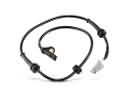 Dodge Durango ABS Sensor
 Dodge Durango Brake Caliper
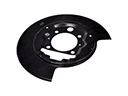 Dodge Durango Backing Plate
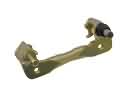 Dodge Durango Brake Caliper Bracket
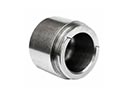 Dodge Durango Brake Caliper Piston
 Dodge Durango Brake Caliper Repair Kit
 Dodge Durango Brake Drum
 Dodge Durango Brake Line
 Dodge Durango Brake Shoe Set
 Dodge Durango Hydraulic Hose
 Dodge Durango Parking Brake Shoes
 Dodge Durango Wheel Stud