JeepParts
My Garage
My Account
Cart
OEM Dodge Intrepid Radiator fan
Radiator Cooling Fan- Select Vehicle by Model
- Select Vehicle by VIN
Select Vehicle by Model
orMake
Model
Year
Select Vehicle by VIN
For the most accurate results, select vehicle by your VIN (Vehicle Identification Number).
4 Radiator fans found
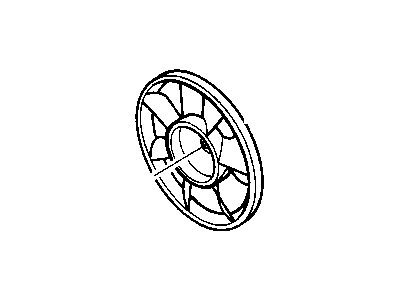
Dodge Intrepid Fan Blade Part Number: 4592085
$29.75 MSRP: $85.30You Save: $55.55 (66%)Ships in 1-2 Business Days
Dodge Intrepid Cooling Fan Part Number: 4758293
$42.53 MSRP: $60.15You Save: $17.62 (30%)Ships in 1-2 Business Days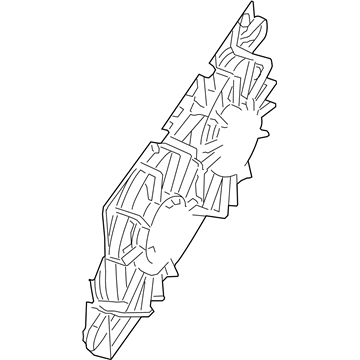
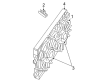
Dodge Intrepid Cooling Fan Part Number: 5066161AA
$43.33 MSRP: $54.93You Save: $11.60 (22%)Ships in 1-2 Business DaysDodge Intrepid Fan Blade, Passenger Side Part Number: 4592084
Dodge Intrepid Radiator fan
Choose OEM Radiator fan that meet Dodge factory standards. Dodge designs and tests every component for precision and durability. Each Radiator fan follows strict manufacturing steps to lock in quality and fit. If your Dodge Intrepid matters to you, OEM parts make the smart choice. You'll get the exact look, feel, and performance you expect. Shop genuine Intrepid parts at the highly competitive prices online. Enjoy a manufacturer's warranty, a hassle-free return policy, and rapid delivery. No more guesswork with off brands. Get genuine parts with exact fit and true factory performance. Shop with confidence today at JeepPartsDeal.com.
Dodge Intrepid Radiator fan works by forcing air through the radiator when traffic stops airflow. This prevents the V6 engine from getting too hot so performance remains sharp. The cab forward silhouette that enhanced cabin space earned praise for the Dodge platform. Further, the Intrepid powertrain lineup comprising a 3.3 liter and a spirited 3.5 liter engine, each matched to a four speed automatic, helped Dodge achieve balanced fuel economy. The Intrepid features independent suspension and front wheel drive, giving it stable cornering and smooth highway rides, while high-tech aerodynamics help reduce drag to enhance fuel economy. The owners know how OEM parts maintain its value and the Dodge quality grade over years of daily commuting, while the range's reputation for quick acceleration and strong safety engineering makes it attractive to enthusiasts. The grille houses the Radiator fan. It is a shrouded multi-blade rotor powered by a fan motor that kicks in when the coolant temperature sensor calls for more airflow. In this way, the Intrepid does not overheat at idle or low speed. The Radiator fan delivers concentrated airflow across the coolant fins and keeps the engine alive, whether it is crawling through crowded city streets or idling in summer's heat. To install the Radiator fan, you will need to disconnect your battery, unbolt and remove the old one, bolt the new one in place, reconnect your wiring, and then test it.
Related Dodge Intrepid Parts
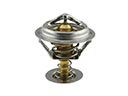 Dodge Intrepid Thermostat
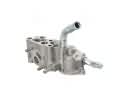 Dodge Intrepid Thermostat Housing
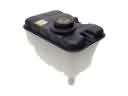 Dodge Intrepid Coolant Reservoir
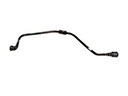 Dodge Intrepid Coolant Reservoir Hose
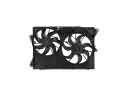 Dodge Intrepid Cooling Fan Assembly
 Dodge Intrepid Radiator Cap
 Dodge Intrepid Radiator Drain Plug
 Dodge Intrepid Radiator Hose
 Dodge Intrepid Thermostat Gasket
 Dodge Intrepid Water Hose
 Dodge Intrepid Water Pump Gasket
 Dodge Intrepid Water Pump Pulley