JeepParts
My Garage
My Account
Cart
OEM Dodge Magnum Wheel Bearing
Hub Bearing- Select Vehicle by Model
- Select Vehicle by VIN
Select Vehicle by Model
orMake
Model
Year
Select Vehicle by VIN
For the most accurate results, select vehicle by your VIN (Vehicle Identification Number).
3 Wheel Bearings found
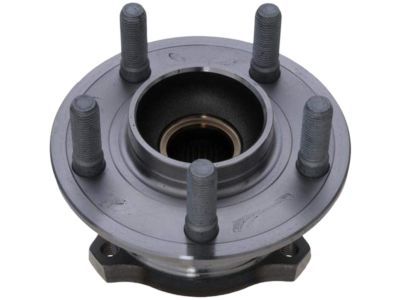
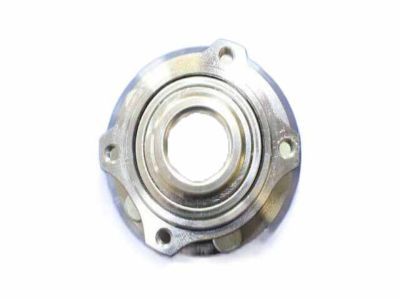
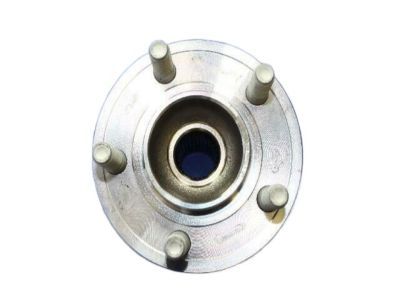
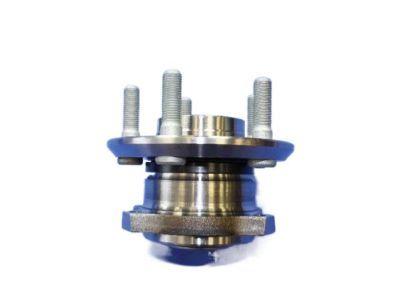
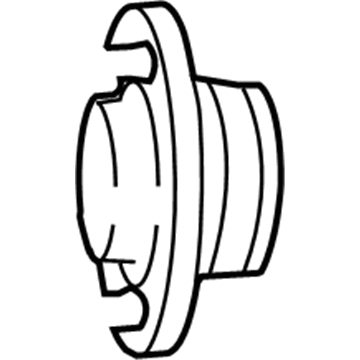
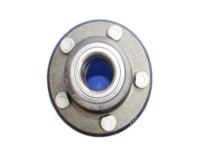
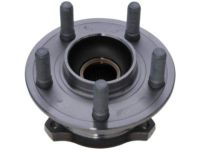
Dodge Magnum Hub & Bearing, Rear Part Number: 4779328AB
$274.04 MSRP: $419.00You Save: $144.96 (35%)Ships in 1-2 Business Days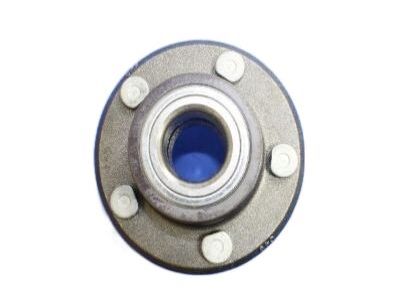
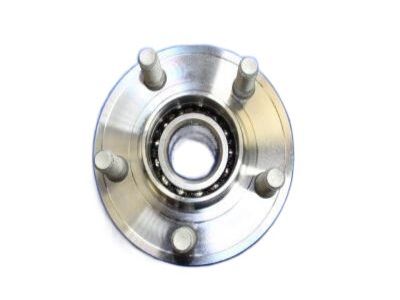
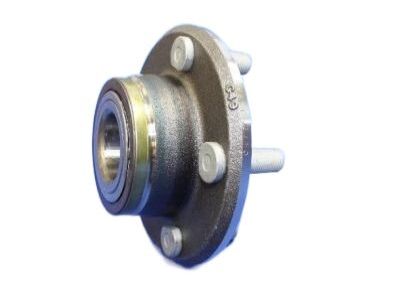
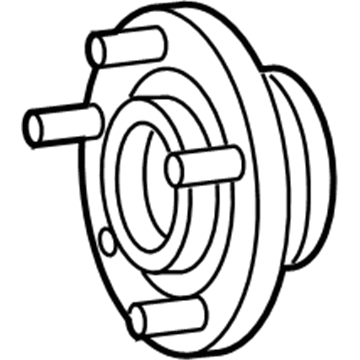
Dodge Magnum Hub & Bearing, Front Part Number: 4779199AA
$182.86 MSRP: $274.00You Save: $91.14 (34%)Ships in 1-2 Business Days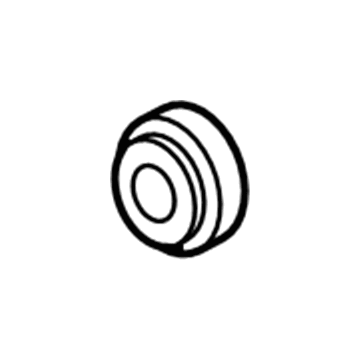
Dodge Magnum Outer Bearing, Rear Part Number: 52111444AB
$103.05 MSRP: $154.00You Save: $50.95 (34%)Ships in 1-2 Business Days
Dodge Magnum Wheel Bearing
Choose OEM Wheel Bearing that meet Dodge factory standards. Dodge designs and tests every component for precision and durability. Each Wheel Bearing follows strict manufacturing steps to lock in quality and fit. If your Dodge Magnum matters to you, OEM parts make the smart choice. You'll get the exact look, feel, and performance you expect. Shop genuine Magnum parts at the highly competitive prices online. Enjoy a manufacturer's warranty, a hassle-free return policy, and rapid delivery. No more guesswork with off brands. Get genuine parts with exact fit and true factory performance. Shop with confidence today at JeepPartsDeal.com.
The Dodge Magnum Wheel Bearing is acknowledged as a highly reliable and performant subassembly, as it is a vital part of Dodge Magnum vehicles' performance. A vital component in the functionality of the Wheel and therefore in the efficiency of the vehicle, the Wheel Bearing is designed to allow for easy rotation of the Wheel;thus improving the efficiency and safety of the vehicle while offering a safer ride for drivers. This Wheel Bearing is suitable for different Dodge Magnum models ranging from the ones produced between 2005 and 2008 More advanced hub and bearing configs are distinguished, the most prevailing being a unit assembly comprising an ABS sensor. In addition to cutting down on noise and vibrations, this design reduces the possible problem associated with the loss of wheels, an important safety issue. Dodge Magnum Wheel Bearing is designed to minimize contact surfaces that would lead to friction hence enhancing the drive. Its replaceable tapered roller bearings need strict control during inspection and correct greasing during the maintenance for effective long-term running of the vehicle. In particular, the analysis of the market of automotive components has revealed that the Dodge Magnum Wheel Bearing has rather unique characteristics, such as its durability since the product is characterized by rather a vast and solidconstruction that is capable of providing the car with an effective performance even in the case of rather intensive driving. Due to the fact that the Dodge Magnum Wheel Bearing concentrates on reliability and performance, it is a crucial component that enhances the life of the vehicle making it worthy for any Magnum vehicle owner. Summing up, it is possible to emphasize that the Dodge Magnum Wheel Bearing is an inalienable part of the car's powertrain, necessary to provide the most comfortable and safe ride.
Dodge Magnum Wheel Bearing Parts and Q&A
- Q:How to Maintain and Repair Wheel Bearings on Dodge Magnum?A:Before service or repairs, raise your vehicle and make sure it is well supported. For AWD, get rid of the nuts on the wheel mounts and then pop off the wheel and tire together. Get someone else to apply brakes while holding the axle half shaft still, before you take the hub nut off and reach the Brake Rotor. Unbolt the four bolts holding the hub and bearing to the knuckle, slide them off the axle half shaft, then take them off the knuckle. For RWD, do the same first steps to take off the tire and wheel assembly and get to the front brake rotor. Open the dust cap carefully to avoid harming the inside of the hub. Once done, take out the hub nut and slide the hub and bearing off the spindle. Before installing hub and bearing onto the axle half shaft on an AWD car, assess the isolation washer, making sure it's present and not harmed and then position it with the knuckle. Fasten the four bolts to 68 Nm and then put in the brake rotor and the disc Brake Caliper assembly. Slide the hub nut onto the axle half shaft and use a breaker bar to tighten it until you reach 213 Nm torque while someone presses the brakes. Put back the wheel and tire assembly, tighten each nut to a torque of 150 Nm, drive down the car, push the brake pedal several times for a strong brake feel, inspect the brake fluid and check the system with a road test. First, slide the bearing and the hub onto the spindle, bolt the hub with tightening nut to 250 Nm torque and then fit the brake rotor and caliper assembly. After putting on a new dust cap, install the wheel and tire assembly, tighten the wheel mounting bolts, lower the car, press down on the brake pedal, inspect brake fluid level and go for a short road test.
- Q:How to Maintain and Fix a Wheel Bearing on Dodge Magnum?A:Before servicing or repairing your AWD vehicle's wheel bearing, first raise and support it. After that, unscrew the wheel mounting nuts and pull the tire and wheel off. While assisfromgent applies brakes to stop the hub rotation, with the help from a socket wrench, unscrew and remove the hub nut from the shaft. Get the front Brake Rotor off and then unfasten the four bolts keeping the hub and bearing to the knuckle in place. Remove the last part, the hub and the bearing, using the axle half shaft and the knuckle.
Related Dodge Magnum Parts
 Dodge Magnum Control Arm Bushing
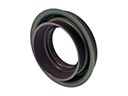 Dodge Magnum Axle Shaft Seal
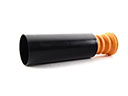 Dodge Magnum Bump Stop
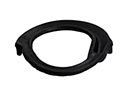 Dodge Magnum Coil Spring Insulator
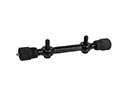 Dodge Magnum Control Arm Shaft Kit
 Dodge Magnum Shock and Strut Boot
 Dodge Magnum Strut Mounts
 Dodge Magnum Sway Bar Bracket
 Dodge Magnum Sway Bar Bushing
 Dodge Magnum Sway Bar Link
 Dodge Magnum Sway Bars
 Dodge Magnum Wheel Cover