JeepParts
My Garage
My Account
Cart
OEM Dodge Neon Brake Shoe Set
Brake Shoe- Select Vehicle by Model
- Select Vehicle by VIN
Select Vehicle by Model
orMake
Model
Year
Select Vehicle by VIN
For the most accurate results, select vehicle by your VIN (Vehicle Identification Number).
2 Brake Shoe Sets found
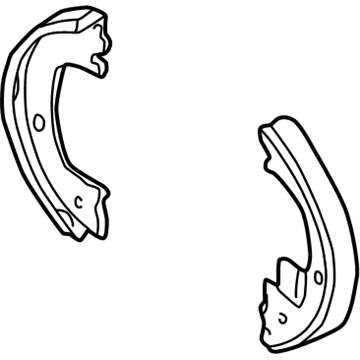
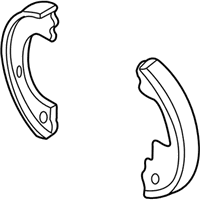
Dodge Neon Brake Shoes, Rear Part Number: 5073647AB
$126.90 MSRP: $159.00You Save: $32.10 (21%)Ships in 1-2 Business Days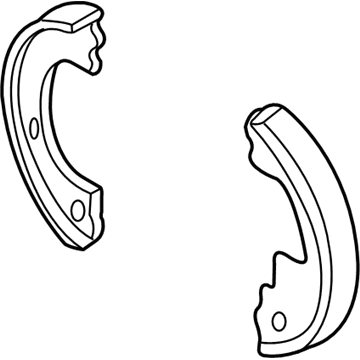
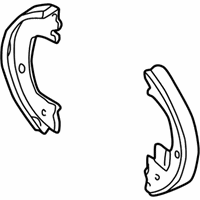
Dodge Neon Brake Shoes, Rear Part Number: 4762537
Dodge Neon Brake Shoe Set
Choose OEM Brake Shoe Set that meet Dodge factory standards. Dodge designs and tests every component for precision and durability. Each Brake Shoe Set follows strict manufacturing steps to lock in quality and fit. If your Dodge Neon matters to you, OEM parts make the smart choice. You'll get the exact look, feel, and performance you expect. Shop genuine Neon parts at the highly competitive prices online. Enjoy a manufacturer's warranty, a hassle-free return policy, and rapid delivery. No more guesswork with off brands. Get genuine parts with exact fit and true factory performance. Shop with confidence today at JeepPartsDeal.com.
Dodge Neon Brake Shoe Set Parts and Q&A
- Q:How to service and repair the rear Brake Shoe Set on Dodge Neon?A:To service and repair the rear wheel drum brake shoes, first raise the vehicle and remove the rear tire and wheel assemblies. Remove the brake drum retaining clips, if used, first from one side followed by the brake drum itself. Separate the automatic adjustment lever from the lever-to-brake shoe spring and the brake shoe. Take out the hold down clips and pins that fix the leading and trailing brake shoes to the brake support plate. Then remove the lower brake shoe-to-anchor plate return spring and the parking brake lever pin-to-brake shoe retaining clip. As an assembly, remove the leading and trailing brake shoes, upper return spring and automatic adjuster screw from the brake support plate and completely disassemble the shoes on the bench. Do the same for the another side. Be careful not to breathe in or track asbestos fibers when you clean. Use a fine water spray-paint mist to dampen the brake parts. Wipe them with a dampened cloth. Dispose of the fabric and any debris in an impermeable container with an appropriate label following OSHA and EPA guidelines. Please ensure that the rear brake shoe lining makes contact across its full width and heel-to-toe. Replace shoes as necessary. Inspect the brake support plate and shoe adjuster screw. Use Mopar Multi-Purpose Lubricant or equivalent to put a thin film on the threads of the self-adjuster. If the adjuster screw is corroded, replace it. The left side adjuster screws have left-hand threads and the right side screws have right-hand threads. Change the old brake shoe return or hold down springs if damaged or overheated. To install, apply Mopar Multi-Purpose Lubricant or equivalent to the eight shoe contact areas of the support plate and anchor, then assemble the front and rear brake shoe assembly, automatic adjuster screw and upper return spring and install on brake support plate. Place the wave washer on the pin of the parking brake lever, and install the pin into the rear brake shoe assembly hole. Secure hold down pins and clips to both brake shoe to brake support plate and lower brake shoe to anchor plate return spring. Connect the leading brake shoe to the automatic adjustment lever and attach the spring from the lever to the brake shoe. The adjustment should be made in such a manner that when the drum is fitted, it just drags lightly on the shoes. Do not over-adjust. Install the brake drum, repeat the process on the opposite side, then install the tire and wheel assemblies, and tighten the wheel mounting nuts to a torque of 135 Nm (100 ft. lbs.). When the rear brake shoes have been adjusted, lower the vehicle and do a road test. Make sure the vehicle stops both forward and reverse. During this process, the automatic adjuster will continue to adjust the brakes.
- Q:How should you clean and inspect the rear Brake Shoe Set and its springs on Dodge Neon?A:Utilize a dampened cloth with water or brake cleaner to clean the rear brake shoes and springs. Do not use any petroleum-based products. The lining of the brake shoe at the rear must have full width and heel to toe contact. Shoes must be replaced if otherwise. Contact with the toe or heel is absent due to improper grinding. Clean and examine the brake support plate and shoe adjuster screw. Apply a thin film of Mopar Multi-Purpose Lubricant or equivalent to the threads of the self-adjuster. If corrosion is visible on the adjuster screw, it must be replaced. Keep in mind that the adjuster screw left side and right side each have left-hand and right-hand threads respectively. If your brake shoe return or hold down springs are damaged or overheated (e.g., paint burned off, end coils distorted), replace them. When the brake drums are removed, check the wheel cylinder boots for any brake fluid leaks or any cuts, tears, or heat cracking. If any of these problems are evident, clean and check the wheel cylinders, and install new parts. When brake fluid leaks from a wheel cylinder and saturates the brake lining material, the brake shoes should be replaced.
Related Dodge Neon Parts
 Dodge Neon Brake Pads
 Dodge Neon Wheel Cylinder
 Dodge Neon ABS Sensor
 Dodge Neon Brake Caliper Bolt
 Dodge Neon Brake Caliper Piston
 Dodge Neon Brake Caliper Repair Kit
 Dodge Neon Brake Dust Shields
 Dodge Neon Brake Line
 Dodge Neon Hydraulic Hose
 Dodge Neon Parking Brake Cable
 Dodge Neon Wheel Bearing Dust Cap
 Dodge Neon Wheel Stud