JeepParts
My Garage
My Account
Cart
OEM Dodge Neon Brake Line
Brake Hose- Select Vehicle by Model
- Select Vehicle by VIN
Select Vehicle by Model
orMake
Model
Year
Select Vehicle by VIN
For the most accurate results, select vehicle by your VIN (Vehicle Identification Number).
8 Brake Lines found
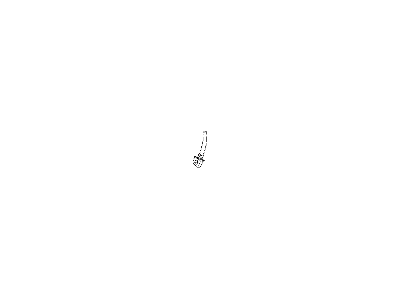
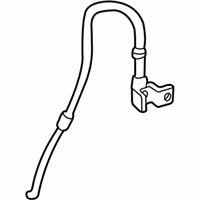
Dodge Neon Flex Hose Part Number: 4509722
$52.73 MSRP: $67.88You Save: $15.15 (23%)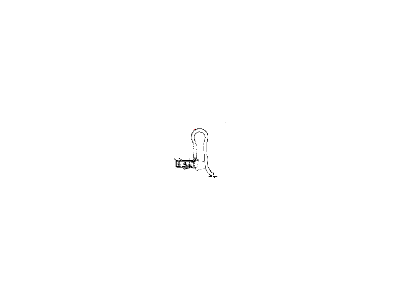
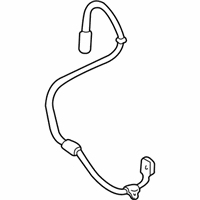
Dodge Neon Flex Hose Part Number: 5273671
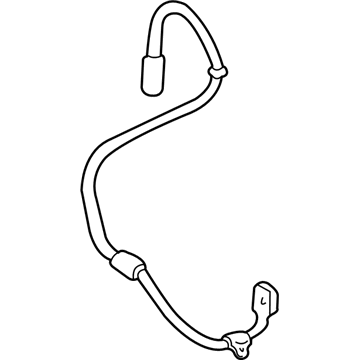
Dodge Neon Flex Hose, Rear Passenger Side Part Number: 4509802AE
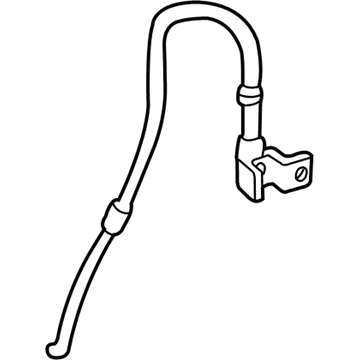
Dodge Neon Flex Hose, Rear Driver Side Part Number: 4509809AE
Dodge Neon Flex Hose, Rear Passenger Side Part Number: 4509808AE
Dodge Neon Flex Hose, Rear Driver Side Part Number: 4509803AE
Dodge Neon Flex Hose, Front Passenger Side Part Number: 4860044AD
Dodge Neon Flex Hose Part Number: 4860045AD
Dodge Neon Brake Line
Choose OEM Brake Line that meet Dodge factory standards. Dodge designs and tests every component for precision and durability. Each Brake Line follows strict manufacturing steps to lock in quality and fit. If your Dodge Neon matters to you, OEM parts make the smart choice. You'll get the exact look, feel, and performance you expect. Shop genuine Neon parts at the highly competitive prices online. Enjoy a manufacturer's warranty, a hassle-free return policy, and rapid delivery. No more guesswork with off brands. Get genuine parts with exact fit and true factory performance. Shop with confidence today at JeepPartsDeal.com.
The Brake Line located in Dodge Neon automobiles is an imperative part of the hydraulic brake system and is responsible for the moving of brake fluid from the master piston to the brake caliper pistons. This mechanism is very important to facilitate stopping or slowing down of the vehicle when the brake pedal is pressed. 'Metal brake lines were common in early models while later models or those of the Dodge Neon have employed rubber brake lines'. Metal lines are very resistant but if they fall rust or because of impacts they can get damaged. On the other hand, non asoptimalos rubber hoses are capable of failing as they wear out since they may cause brake fluid leaks, which are very dangerous. The following is a list of check points that should be made in order to have a safe and efficient running of the Dodge Neon, Reliable inspection of the Brake Line so as to check for leakage, crack or rust.
Dodge Neon Brake Line Parts and Q&A
- Q:What Are the Inspection Requirements and Considerations for Brake Line Flexible Rubber Hoses on Dodge Neon?A:At both front and rear brakes, flexible rubber hoses are in use and you should look at them every time you service the brakes or have the engine oil changed every 7,500 miles or after twelve months. Hydraulic brake hoses should be examined for deep cracks, any signs of scuffing, bare spots or obvious damage. As soon as you notice that parts of the fabric casing of the rubber hose appear because the rubber is cracked or worn, it should be replaced to avoid a burst failure. If installation is faulty, the transmission may twist, interrupting the connection between the wheel, tube and chassis. It's important to check the steel brake tubing now and then for markings of corrosion, any damage or places where it touches moving or warm parts on the vehicle.
- Q:Are Brake Lines Unique for Each Brake and Why Choose Mopar Replacements on Dodge Neon?A:Each brake hose is manufactured for one type of brake and cannot be swapped, so only Mopar replacement brake hoses can assure you of quality, the exact length and resilience to fatigue. Make sure neither the tube nor the hose has scratches or burrs and use new copper seal washers under all banjo bolts as you hand-tighten the fittings to the necessary torques. To avoid stressing the flex hose during installation, secure its banjo fitting to the caliper initially, then link the hose to the brake tubing and finally secure both connections to the front frame rail at the given torque. Loosen the rear brake hose at its connection to the Wheel Cylinder, attach the brake hose bracket to the strut, loosen the hose from the steel tube at the master cylinder and put the brake hose bracket against the body frame, making sure to tighten each tube nut at its end. For brakes attached to the rear axle, secure the brake hose banjo fitting to the caliper at first, then loosely fit the hose onto the steel tube emerging from the master cylinder, fit the brake hose bracket to the body and tighten the tube nut where the brake hose is connected to the steel tube from the master cylinder. To change brake tubing, use only 4.75 mm (3/16 inch) steel brake line with Nygal coating, as well as the correct tube nuts for replacement and take proper care when flaring and bending these tubes to reduce kinking.
Related Dodge Neon Parts
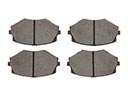 Dodge Neon Brake Pads
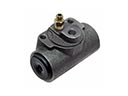 Dodge Neon Wheel Cylinder
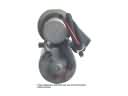 Dodge Neon ABS Pump And Motor Assembly
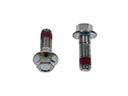 Dodge Neon Brake Caliper Bolt
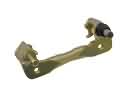 Dodge Neon Brake Caliper Bracket
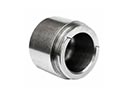 Dodge Neon Brake Caliper Piston
 Dodge Neon Brake Caliper Repair Kit
 Dodge Neon Brake Shoe Set
 Dodge Neon Hydraulic Hose
 Dodge Neon Parking Brake Cable
 Dodge Neon Wheel Bearing Dust Cap
 Dodge Neon Wheel Stud