JeepParts
My Garage
My Account
Cart
OEM Dodge Neon Parking Brake Cable
Emergency Parking Brake Release Cable- Select Vehicle by Model
- Select Vehicle by VIN
Select Vehicle by Model
orMake
Model
Year
Select Vehicle by VIN
For the most accurate results, select vehicle by your VIN (Vehicle Identification Number).
3 Parking Brake Cables found
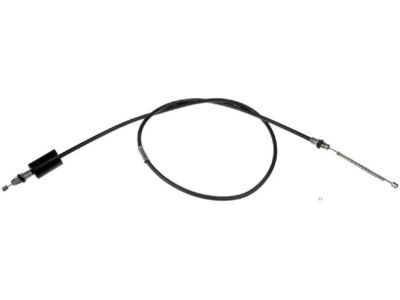
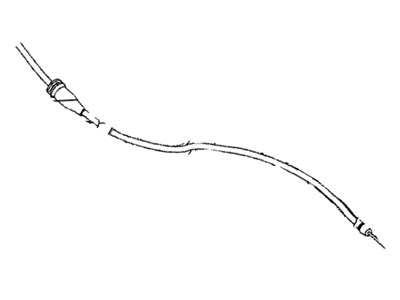
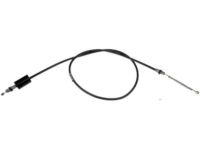
Dodge Neon Cable Part Number: 4509895AE
Dodge Neon Cable Part Number: 4509894AE
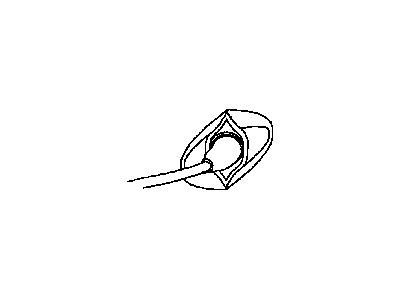
Dodge Neon Cable Part Number: 4509893AE
Dodge Neon Parking Brake Cable
Choose OEM Parking Brake Cable that meet Dodge factory standards. Dodge designs and tests every component for precision and durability. Each Parking Brake Cable follows strict manufacturing steps to lock in quality and fit. If your Dodge Neon matters to you, OEM parts make the smart choice. You'll get the exact look, feel, and performance you expect. Shop genuine Neon parts at the highly competitive prices online. Enjoy a manufacturer's warranty, a hassle-free return policy, and rapid delivery. No more guesswork with off brands. Get genuine parts with exact fit and true factory performance. Shop with confidence today at JeepPartsDeal.com.
The Parking Brake Cable on Dodge Neon cars plays a significant function in the control of the parking brakes existing in the cars, which are mainly used to maintain the cars stationary once parked particularly on slopes. This cable links the parking brake or the emergency brake handset to the rest of the braking system which offers a crucial service. Null There are may be variations when it comes to the kind of Parking Brake Cable used in Dodge Neon models over the years which is responsible for engaging parking brakes. A faulty Parking Brake Cable may result in problems such as lack of enough tension that would not allow the parking brake to lock the vehicle or total breakdown if the cable breaks. The Parking Brake Cable should be checked from time to time because it is a crucial component of the parking pawl and caliper abut of the Dodge Neon.
Dodge Neon Parking Brake Cable Parts and Q&A
- Q:How is the Parking Brake Cable Installed on Dodge Neon?A:Before anything else, push the cable through the hole and then fire the cable sealing grommet into the floor pan to secure it after installation. Put the parking brake cable bracket over the bolts of the tension strut and tighten the nuts to 28 Nm (250 inch lbs.). Place the parking brake cable into the rear disc brake adapter or brake support plate, so that the finger on the retainer expands and locks the cable into place. For cars with drum brakes in the rear, hook the parking brake cable to the lever and place the spring between the lever and the brake shoe. If your vehicle has rear disc brakes, link the parking brake shoes actuator lever to the parking brake cable and put the shoe assemblies on the disc brake adapter. Then, fit the hub and bearing onto the rear spindle with a tightened retaining nut of 217 Nm (160 ft. lbs.) and match it with the dust cap. On drum brake cars, fit the Brake Drum in the rear and for disc brakes, fix the Brake Rotor and caliper, tightening the caliper guide pin bolts to 22 Nm (192 inch lbs.). Place the rear tire and wheel back onto the car and tighten the wheel nuts to their recommended value, usually 135 Nm (100 ft. lbs.). Afterwards, lower the vehicle and check that the seal grommet is fully against the bottom of the wheel well. Route the parking brake cable along the underlayment, up and into the retaining bracket and lock it with the fingers. Align rear parking brake cables with the cable track on the output cable and hook them to the equalizer on the parking brake lever. Pull back both hands from the automatic adjuster, take away the parking brake lever pin punch to allow automatic movement of the cables and then cycle the lever once before bringing it back to the released position. Check the rear wheels to confirm they don't stick, reposition the carpeting in the rear, make sure the rear Seat Cushion is fixed properly, apply the parking brake to its full extent, attach the Center Console with its screws and lastly remove anything that could stop the tires and wheels from turning properly.
- Q:How to Service a Parking Brake Cable on Dodge Neon?A:Block your tires and wheels before proceeding with the rear parking brake cable service to prevent your vehicle from moving after you release the parking brake lever. Shut off the engine, set the parking brake completely and set the transmission to neutral. Take the screws out from the Center Console and lift the console out. Release the parking brake lever handle and raise the output cable until a pin punch can push through the lever gear and into the right side bracket, locking the adjusting mechanism on the hub side. Open both of the rear parking brake cables from the parking brake cable equalizer and lift out the rear Seat Cushion before folding the carpeting in the rear to expose the parking brake cables on the floor. With a 1/2 inch wrench, push the retainer fingers together and remove the cable housing from its bracket. Lift the vehicle and take the rear tire and wheel out. If you have a vehicle with drum brakes in the rear, take the drum off; if it has disc brakes, remove the plugs on the caliper guide and hang the caliper, then remove the rotor. Take out the dust cap from the rear hub and bearing, detach the hub and bearing retaining nut and then take off the hub and bearing itself. In cars with rear disc brakes, first pull out the upper return spring and remove both hold-down clips before you spread the shoes to take them off as a single unit. To work on the rear drums, take a 1/2 inch box wrench and press the locking fingers in the retainer while pulling the parking brake cable from the actuating lever and rear brake support plate. In vehicles with rear disc brakes, pull out the parking brake actuating lever from the cable and remove the cable from the brake adapter using a 1/2 inch offset box wrench. Open the adjustment nut, pull the parking brake cable bracket from the bolts and remove the parking brake cable and sealing grommet from inside the vehicle floor. Place the new parking brake cable through the floor pan hole and make sure the grommet inside seals properly. Screw the parking brake cable routing bracket onto the strut's mounting bolt and tighten the nut until you reach 28 Nm (250 inch lbs.). Pull the parking brake cable into the brake support plate or rear disc brake adapter, spreading out the locking fingers on the cable. Place the parking brake cable onto the actuating lever and put the actuating spring onto the brake shoe and adjustment lever for rear drum brake vehicles. For rears disc brake cars, set up the parking brake shoes assemblies on the disc brake adapter and the parking brake shoes actuator lever on the cable. After putting on the hub and bearing, connect a new tightening nut to the rear spindle and tighten it at 217 Nm (160 ft. lbs.), then add the dust cap. When working on a drum brake car, place the rear Brake Drum; for a disc brake car, fit the Brake Rotor together with the caliper and tighten the caliper guide pins to 22 Nm (192 inch lbs.) Replace the rear tire and wheel and tighten all wheel nuts to 135 Nm (100 ft. lbs.). After that, bring the car back to normal height. Seat the seal grommet in the floor pan, tuck the parking brake cable under the carpet and attach it to the retaining bracket. Twist the rear parking brake cables through the equalizer at the end of the parking brake output cable, making sure they line up properly with the cable's groove. After removing your hands from the adjuster control, use the pin punch or locking pin to clear the way for automatic cable adjustment. Position your foot on the brake once, turn the lever so the cables move and bring the lever back to the released place. Check the rear wheels rotate easily, put the rear carpeting in place, make sure the rear seat cushion is secure, fully pull the parking brake lever and snap the center console in with its screws before taking out the blocks from the tires and wheels.
Related Dodge Neon Parts
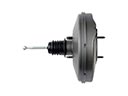 Dodge Neon Brake Booster
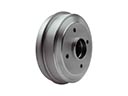 Dodge Neon Brake Drum
 Dodge Neon ABS Sensor
 Dodge Neon Backing Plate
 Dodge Neon Brake Dust Shields
 Dodge Neon Brake Line
 Dodge Neon Brake Proportioning Valve
 Dodge Neon Brake Shoe Set
 Dodge Neon Hydraulic Hose
 Dodge Neon Wheel Bearing Dust Cap
 Dodge Neon Wheel Hub Bolt
 Dodge Neon Wheel Stud