JeepParts
My Garage
My Account
Cart
OEM Dodge Ram 1500 Fan Clutch
Cooling Fan Clutch- Select Vehicle by Model
- Select Vehicle by VIN
Select Vehicle by Model
orMake
Model
Year
Select Vehicle by VIN
For the most accurate results, select vehicle by your VIN (Vehicle Identification Number).
12 Fan Clutches found
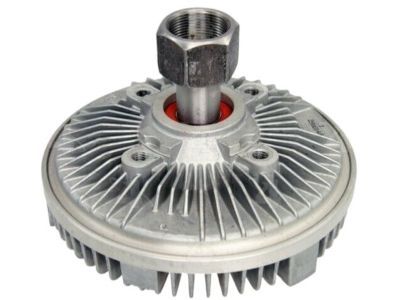
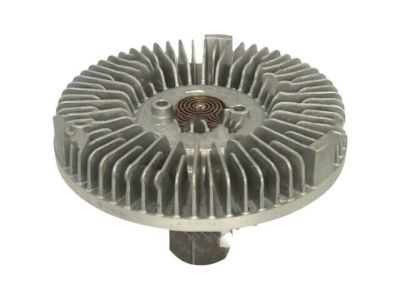
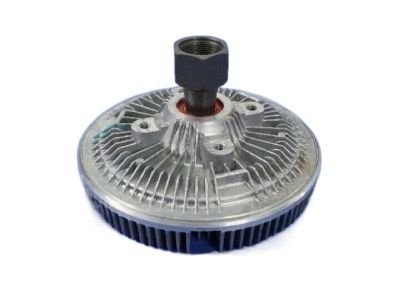
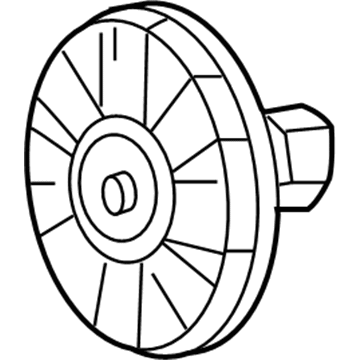
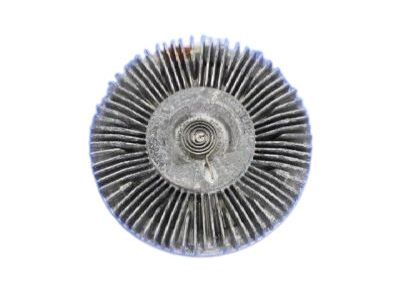
Dodge Ram 1500 Fan Clutch Part Number: 52028877AC
$158.34 MSRP: $235.00You Save: $76.66 (33%)Ships in 1-2 Business Days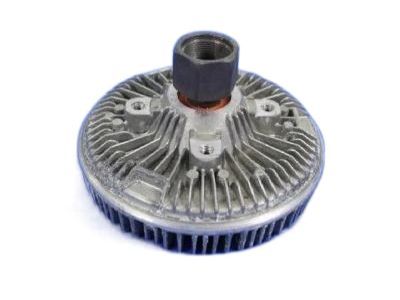
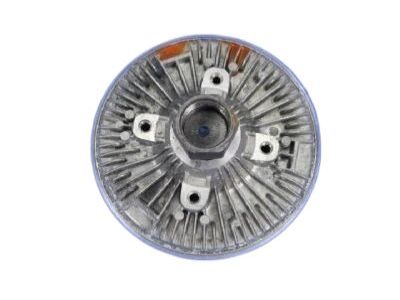
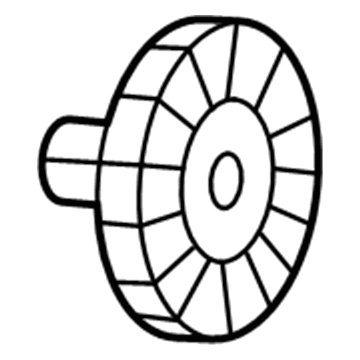
Dodge Ram 1500 Fan Clutch Part Number: 55056840AC
$333.71 MSRP: $504.00You Save: $170.29 (34%)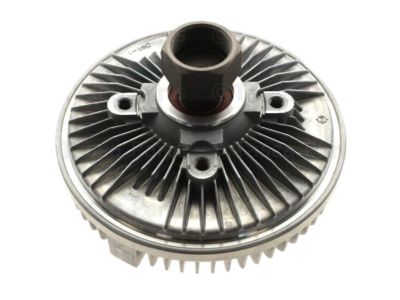
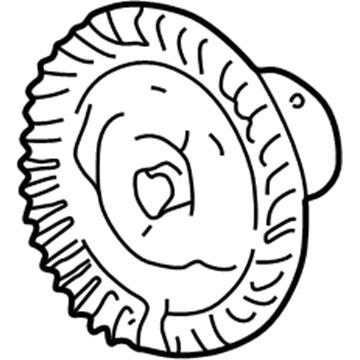
Dodge Ram 1500 Fan Clutch Part Number: 68064765AA
$184.17 MSRP: $274.00You Save: $89.83 (33%)Ships in 1-2 Business Days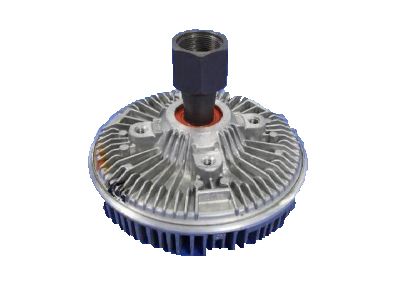
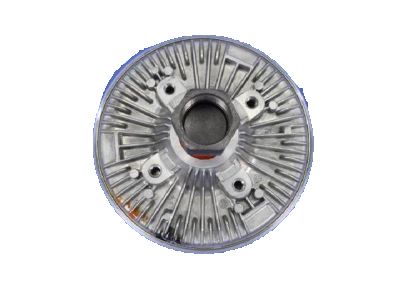
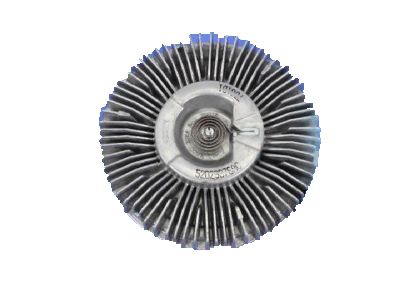
Dodge Ram 1500 Fan Clutch Part Number: 52029876AC
$190.91 MSRP: $284.00You Save: $93.09 (33%)Ships in 1-2 Business Days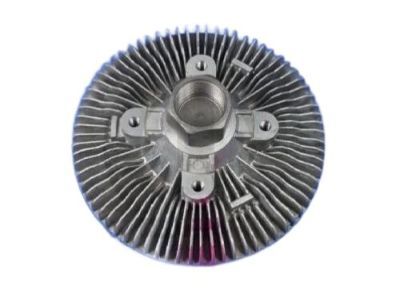
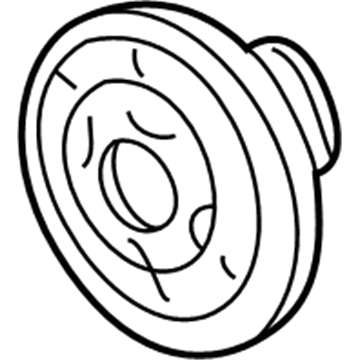
Dodge Ram 1500 Fan Clutch Part Number: 52029400AA
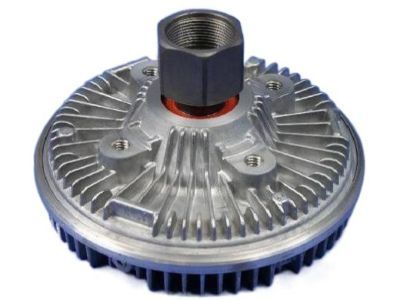
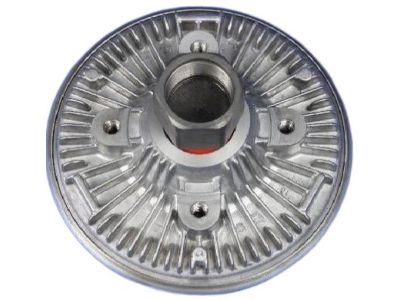
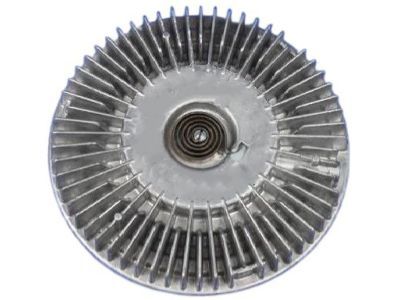
Dodge Ram 1500 Fan Clutch Part Number: 55056860AC
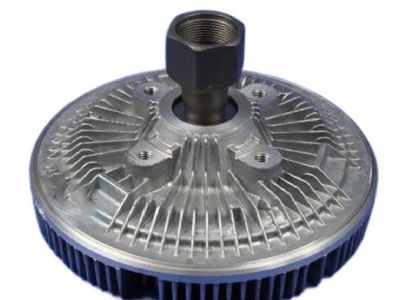
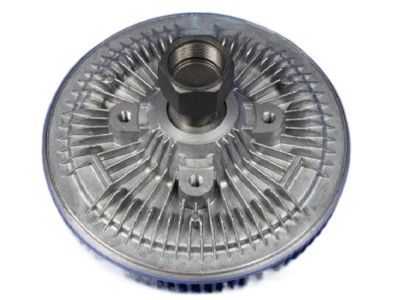
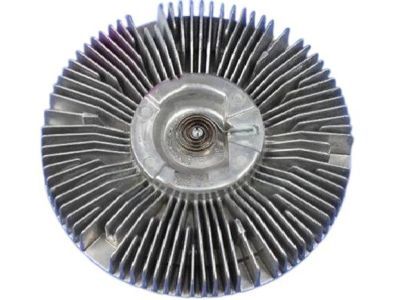
Dodge Ram 1500 Fan Clutch Part Number: 55056963AB
Dodge Ram 1500 Fan Clutch Part Number: 52027882AB
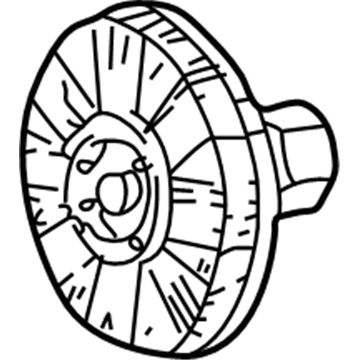
Dodge Ram 1500 Fan Clutch Part Number: 52029860AC
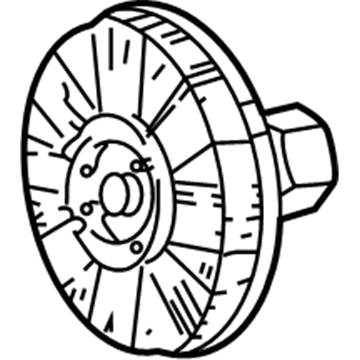
Dodge Ram 1500 Fan Clutch Part Number: 52029859AA
Dodge Ram 1500 Fan Clutch Part Number: 52027710AB
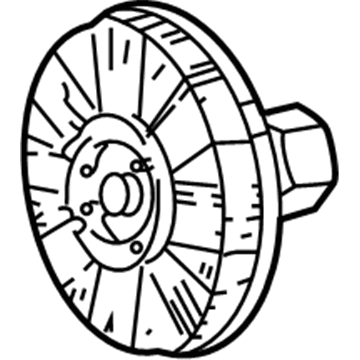
Dodge Ram 1500 Fan Clutch Part Number: 68064767AA
Dodge Ram 1500 Fan Clutch
Choose OEM Fan Clutch that meet Dodge factory standards. Dodge designs and tests every component for precision and durability. Each Fan Clutch follows strict manufacturing steps to lock in quality and fit. If your Dodge Ram 1500 matters to you, OEM parts make the smart choice. You'll get the exact look, feel, and performance you expect. Shop genuine Ram 1500 parts at the highly competitive prices online. Enjoy a manufacturer's warranty, a hassle-free return policy, and rapid delivery. No more guesswork with off brands. Get genuine parts with exact fit and true factory performance. Shop with confidence today at JeepPartsDeal.com.
This part is called the Dodge Ram 1500 Fan Clutch and is a highly important part that can improve the Dodge Ram 1500 lineup in terms of its performance and its efficiency. This Fan Clutch has the central function of controlling the speed of the cooling fan while at the same time dictating the engine temperature achieved during different modes of driving. Due to the intelligent fan speed control by engine temperature and load, the Dodge Ram 1500 Fan Clutch enhances the cooling capacity which is very significant for the durability and reliability of the engine. This Ram 1500 Fan Clutch works with all generations of the model, both old and new, and integrates well with models of the Ram 1500; thus, allowing all motorists to leverage all its functionalities. Of course, it is important to know that there is a wide variety of Dodge Ram 1500 Fan Clutch models, such as the viscous couplings that are improved by the electronically controlled couplings that give a better control and reaction time. Flexibility also helps to increase the cooling efficiency of engines but also is useful for the safety of vehicles, excluding the possibility of overheating. The Dodge Ram 1500 has always gained significant attention due to its solidity and versatility as a pickup truck model; the durability of its Fan Clutch also contributes to the Pickup truck's positive reputation. Such features as increased engagement as per multiple inputs make the Dodge Ram 1500 Fan Clutch as one of the reliable parts that impact on the efficiency and safety of the vehicle making it to be the most preferable by the truck lovers and any other ordinary driver.
Dodge Ram 1500 Fan Clutch Parts and Q&A
- Q:How to Maintain the Fan Clutch on 3.7L/4.7L/5.7L Engines on Dodge Ram 1500?A:Ensure the fan/viscous fan drive assembly is still attached to the vehicle when servicing the fan clutch on 3.7L/4.7L/5.7L engines. Look for signs of fatigue cracks, loose blades or loose rivets caused by excess vibration on the cooling fan and console-mount fan if detected, replace the whole assembly. Take a look at the bearing and assembly of the water pump as well, since problems with the viscous fan drive can cause damage. Take off the negative Battery Cable, but leave the hoses connected to the coolant reserve as you remove the container from the fan shroud. Using Special Tool 6958, counterclockwise motion on the mounting nut will release the Fan Blade and viscous fan drive from the water pump. Remove all the bolts that connect the shroud to the radiator, extract the lower shroud mounts from the radiator clips and pull the whole fan shroud and fan blade/drive part out at once. Stack the viscous fan drive upright to ensure its silicone fluid will not mix with the lubricant. Make sure not to remove the water pump pulley-to-water pump bolts; the pulley is being held in place by spring tension. Remove the bolts connecting the fan blade assembly to the viscous fan drive, as you might find Reverse marked on some reverse rotating fans and drives on engines with serpentine Drive Belts and this needs attention because backward installation of these parts can cause the engine to overheat. To install the fan, fasten the fan blade onto the viscous fan drive with bolts that are tightened until you reach 24 Nm (18 ft. lbs.) torque. After that, fit the fan blade and shroud together as a unit and hiscally (Ultra High Temperature, as required) the blown air flow between the shroud and the heatsink. Install the fan blade/viscous fan drive assembly on the water pump shaft using Special Tool 6958. Next, tighten the mounting nut to 50 Nm (37 ft. lbs.). Put the coolant reserve/overflow container back on the fan shroud and attach the negative battery cable. When the new viscous fan drive is installed, turn the engine speed to 2000 rpm and keep it there for two minutes to help the fluid distribute well inside the drive.
- Q:How to Replace the Fan Clutch in 3.7L/4.7L/5.7L Engines on Dodge Ram 1500?A:If you are working with a viscous fan clutch in 3.7L/4.7L/5.7L engines, inspect the Fan Blades for any cracks, necessary blade repositioning or lost rivets and just swap out the fan blade assembly if problems are visible. Moreover, inspect the water pump bearing and shaft for any harm caused by a malfunction with the viscous fan drive. With the new viscous fan drive installed, set the engine to about 2000 rpm and hold it for two minutes so the fan drive fluid is in the driver. After that, install the fan blade assembly to the viscous fan drive and tighten all bolts to 24 Nm (18 ft. lbs.). Attach the fan shroud, electric cooling fan and fan blade/viscous fan drive assembly to the vehicle together, then place it all on your car and secure the fan shroud. Attach the thermal viscous fan drive/fan blade assembly to the water pump hub shaft by turning the mounting nut counterclockwise and use a 36 MM Fan Wrench to lock the pulley and tighten the mounting nut to 50 Nm (37 ft. lbs.). The last step is to link the negative Battery Cable.
Related Dodge Ram 1500 Parts
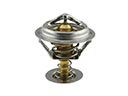 Dodge Ram 1500 Thermostat
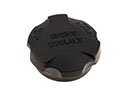 Dodge Ram 1500 Coolant Reservoir Cap
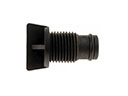 Dodge Ram 1500 Radiator Drain Plug
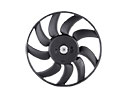 Dodge Ram 1500 Radiator fan
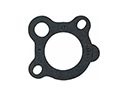 Dodge Ram 1500 Thermostat Gasket
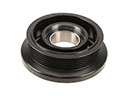 Dodge Ram 1500 A/C Idler Pulley
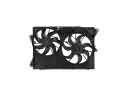 Dodge Ram 1500 Cooling Fan Assembly
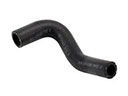 Dodge Ram 1500 Cooling Hose
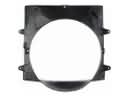 Dodge Ram 1500 Fan Shroud
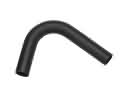 Dodge Ram 1500 Radiator Hose
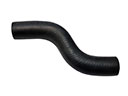 Dodge Ram 1500 Water Hose
 Dodge Ram 1500 Water Pump Gasket