JeepParts
My Garage
My Account
Cart
OEM Dodge Ram 1500 Cooling Fan Assembly
Engine Cooling Fan- Select Vehicle by Model
- Select Vehicle by VIN
Select Vehicle by Model
orMake
Model
Year
Select Vehicle by VIN
For the most accurate results, select vehicle by your VIN (Vehicle Identification Number).
Filter by Part Type
Filter by Part Type
12 Cooling Fan Assemblys found
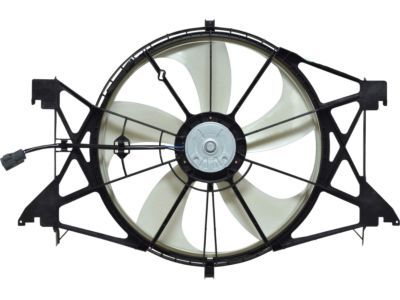
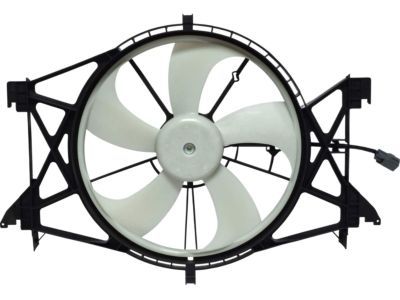
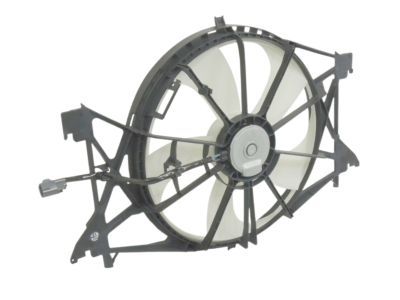
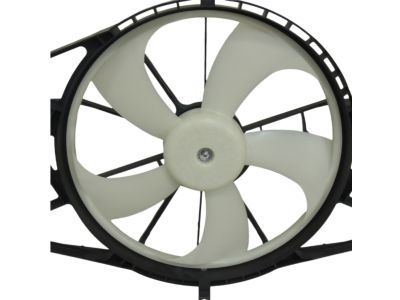
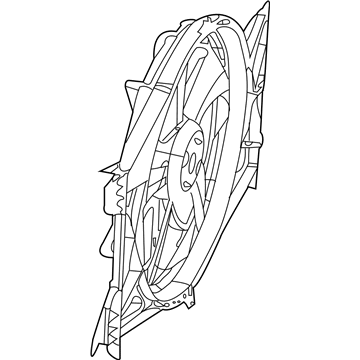
Dodge Ram 1500 Electric Cooling Fan Part Number: 55056948AI
$475.15 MSRP: $717.00You Save: $241.85 (34%)Ships in 1-3 Business Days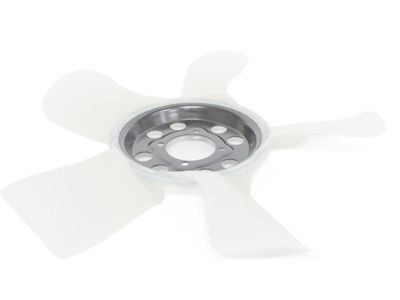
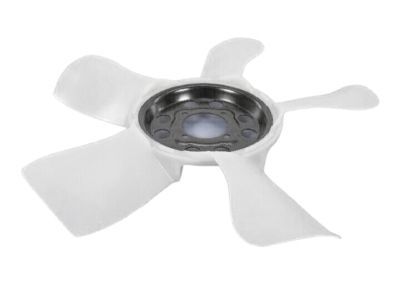
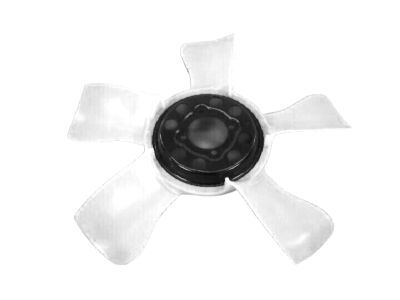
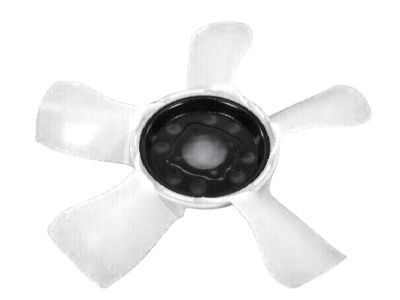
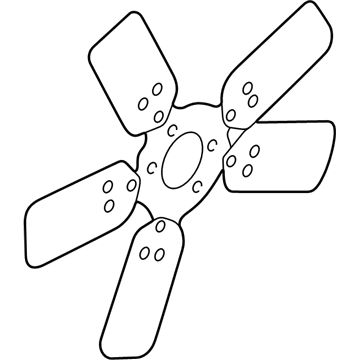
Dodge Ram 1500 Cooling Fan, Front Part Number: 55056947AA
$167.33 MSRP: $249.00You Save: $81.67 (33%)Ships in 1-2 Business Days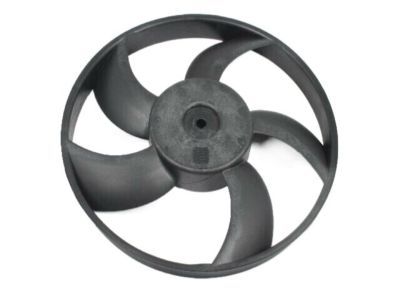
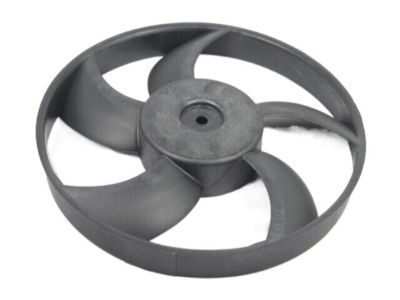
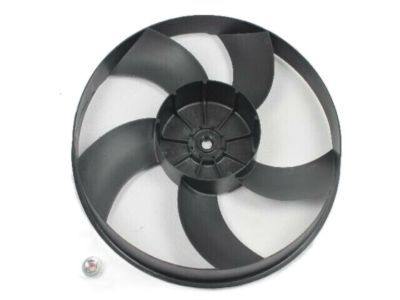
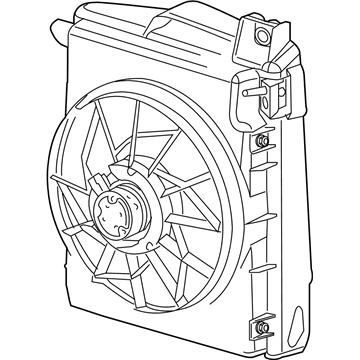
Dodge Ram 1500 Fan Blade Part Number: 68031871AA
$192.61 MSRP: $284.00You Save: $91.39 (33%)Ships in 1-3 Business DaysDodge Ram 1500 Fan Assembly Part Number: 68004163AB
$85.85 MSRP: $128.09You Save: $42.24 (33%)Ships in 1-2 Business Days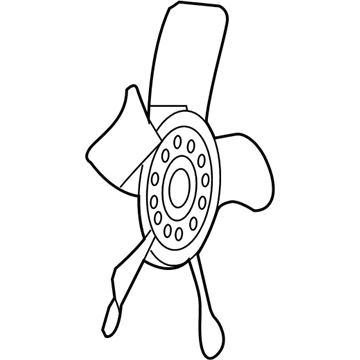
Dodge Ram 1500 Fan Blade Part Number: 55056861AA
$115.39 MSRP: $131.00You Save: $15.61 (12%)Ships in 1-2 Business Days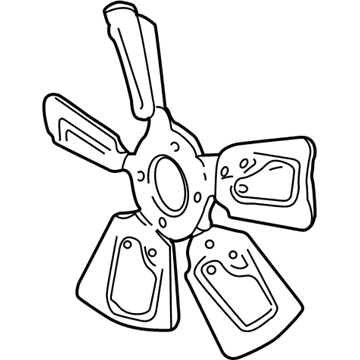
Dodge Ram 1500 Fan Blade Part Number: 52027999AC
$687.09 MSRP: $719.00You Save: $31.91 (5%)Ships in 1-2 Business Days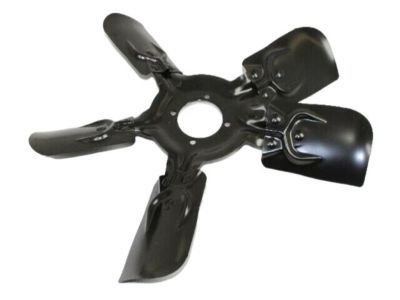
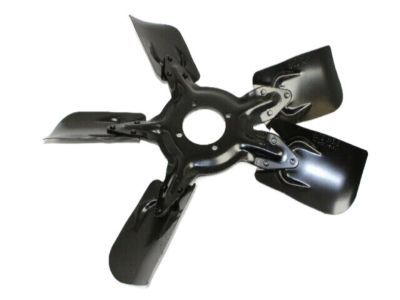
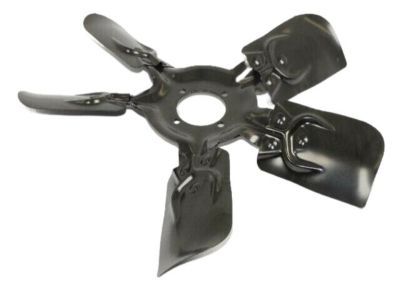
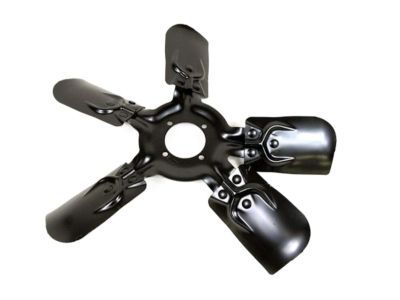
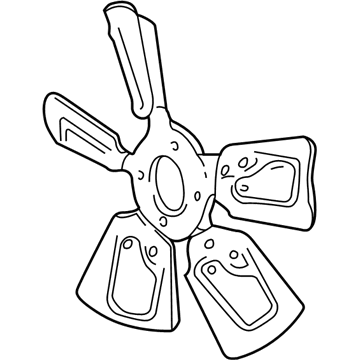
Dodge Ram 1500 Fan Blade Part Number: 52027846AB
Dodge Ram 1500 Electric Cooling Fan Part Number: 55056851AH
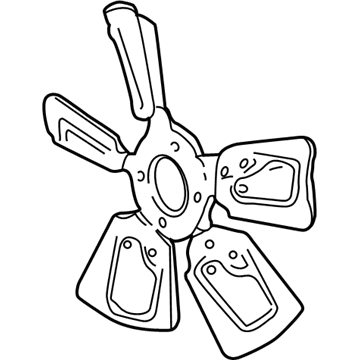
Dodge Ram 1500 Fan Blade Part Number: 52029077AA
Dodge Ram 1500 Fan Blade Part Number: 5080646AA
Dodge Ram 1500 Fan Blade Part Number: 52027846AC

Dodge Ram 1500 Fan Module Part Number: 5290438AF
Dodge Ram 1500 Cooling Fan Assembly
Choose OEM Cooling Fan Assembly that meet Dodge factory standards. Dodge designs and tests every component for precision and durability. Each Cooling Fan Assembly follows strict manufacturing steps to lock in quality and fit. If your Dodge Ram 1500 matters to you, OEM parts make the smart choice. You'll get the exact look, feel, and performance you expect. Shop genuine Ram 1500 parts at the highly competitive prices online. Enjoy a manufacturer's warranty, a hassle-free return policy, and rapid delivery. No more guesswork with off brands. Get genuine parts with exact fit and true factory performance. Shop with confidence today at JeepPartsDeal.com.
Dodge Ram 1500 Cooling Fan Assembly Parts and Q&A
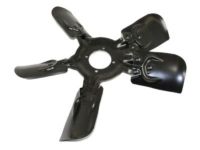
- Q:How to Service and Repair a Cooling Fan Assembly on Dodge Ram 1500?A:Before doing anything else to the condenser fan, take out and isolate the negative battery tube. After that, remove the condenser and lay it flat somewhere to work on the screws that secure the fan to it. Pay attention to where all the seals are as you remove the fan assembly from the condenser. Before assembly, place the fan unit on the condenser, make sure every seal on the shroud is right and use retainer screws to secure it to the unit. When done, attach the condenser and part of the fan assembly where they belong and link the negative Battery Cable again.
Related Dodge Ram 1500 Parts
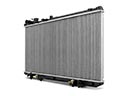 Dodge Ram 1500 Radiator
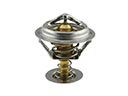 Dodge Ram 1500 Thermostat
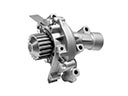 Dodge Ram 1500 Water Pump
 Dodge Ram 1500 Coolant Reservoir Cap
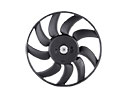 Dodge Ram 1500 Radiator fan
 Dodge Ram 1500 Serpentine Belt
 Dodge Ram 1500 Coolant Reservoir Hose
 Dodge Ram 1500 Cooling Hose
 Dodge Ram 1500 Drive Belt
 Dodge Ram 1500 Water Hose
 Dodge Ram 1500 Water Pump Gasket
 Dodge Ram 1500 Water Pump Pulley